- Engaging story with mature themes.
- Stunning and detailed pixel art style.
- Rewarding progression and combat system.
- Excellent and nostalgic soundtrack.
- Memorable and likable characters.
- Rushed, unsatisfying ending; pacing issues.
What players like:
Common complaints:
Gameplay feedback:
Performance notes:
Recommendations:
Other player notes:
Similar games
Blend with other games




Review evidence
Why players say this
Review evidence
Why players say this
What players like
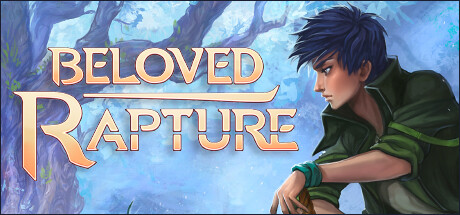
Engaging story with mature themes: The game features an engaging and well-paced story with mature themes, unexpected twists, and memorable characters. The narrative keeps players invested, with many reviewers highlighting the plot's complexity and emotional depth.
Stunning, detailed pixel art style: The game features beautiful and detailed pixel art, reminiscent of classic SNES JRPGs, with well-animated sprites and environments. The art style is consistently praised and enhances the overall experience, contributing significantly to the game's charm and visual appeal.
Rewarding progression and combat: The game offers a rewarding sense of progression through its leveling and upgrade systems. Combat is enjoyable and encourages exploration, with the removal of random encounters allowing players to progress at their own pace.
Excellent, nostalgic soundtrack: The game boasts an excellent and memorable soundtrack, often compared to classic JRPG scores from the SNES era. The music enhances the atmosphere and emotional impact of the game, with many reviewers specifically praising the quality and nostalgic feel of the compositions.
Nostalgic, classic JRPG feel: The game successfully captures the nostalgic feel of classic JRPGs, particularly those from the SNES era. It evokes a sense of nostalgia with its gameplay, story, and design, appealing to fans of the genre.
Common complaints
Rushed, unsatisfying ending; pacing issues: Many reviewers found the story's ending to be rushed, abrupt, and unsatisfying, especially compared to the beginning. This was often coupled with underdeveloped character arcs, unanswered questions, and a lack of closure on key plot points. Some reviewers dropped the game due to pacing issues.
Unbalanced, repetitive combat system: Reviewers felt the combat system lacked innovation and balance. Early game combat was too difficult, while later stages became too easy. Some found the combat repetitive and unrewarding, with little impact from character progression or item usage. Enemies also deal excessive damage early on.
Frequent crashes, bugs, and glitches: Many reviewers reported frequent game crashes, bugs, and glitches that disrupted gameplay and led to lost progress. Some bugs required reloading older saves or restarting the game. Some reviewers mentioned audio glitches as well.
Limited exploration, poor navigation: The game's linear structure and lack of fast travel options led to frustrating backtracking and limited exploration. Reviewers also criticized the vague map system and disjointed story flow, making navigation and quest completion difficult.
Poorly written, inconsistent dialogue: Reviewers criticized the dialogue for being poorly written, inconsistent, and containing errors. The overuse of ellipses and unnatural language disrupted the flow and immersion of the story.
Gameplay and performance
Balanced difficulty, avoids grinding: The game balances accessibility with strategic depth. While combat is generally easy, strategic thinking is sometimes required. The game avoids excessive grinding.
Resource management in combat: The combat system incorporates mechanics that encourage resource management. Attacking restores MP, and defending restores HP, promoting strategic play beyond simply attacking.
Limited customization and information: The game's customization is limited by a small number of equipment slots and a lack of enemy information. This reduces strategic options in combat.
Limited magic customization: Magic spells are upgraded using runes, but this system limits magical customization. This can make magic feel less versatile.
Poor quest list organization: The quest list combines main and side quests, making it difficult to track progress and identify missed content. This can lead to player frustration.
Various audio glitches present: Several reviewers have encountered audio glitches, such as repeating sounds or background audio cutting in and out. These issues can disrupt the player's immersion and overall experience.
Inconsistent Steam Deck/Linux performance: The game's performance on Steam Deck and Linux is inconsistent. While many users report smooth gameplay without issues, others experience poor performance. This suggests potential optimization issues or compatibility problems on these platforms.
Performance impacted by other programs: The game's performance can be negatively impacted by running other programs, such as Photoshop, simultaneously. This suggests potential optimization issues or high system requirements.
Memory issues cause input lag: Some locations suffer from memory resource problems, leading to input lag and making precise movements difficult. This issue can be frustrating for players, especially in sections requiring precise platforming or combat.
No fast travel available: The absence of a fast travel system can make traversing the game world tedious, especially for players who want to revisit previous locations or complete side quests.
Recommendations
Overall enjoyable and recommended game: Many reviewers express overall satisfaction with the game, praising it as enjoyable, well-made, and worth the time and money. They highlight its strengths as a passion project and a love letter to classic JRPGs, often recommending it despite minor flaws. Some reviewers explicitly state they would recommend the game to friends or replay it themselves.
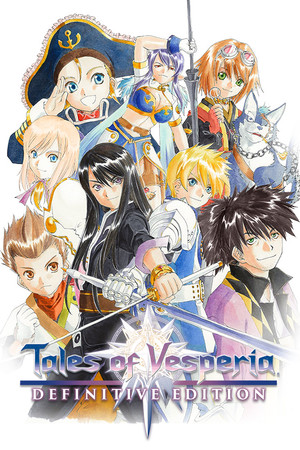
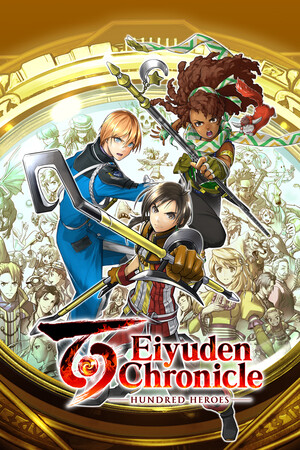
Great for old-school JRPG fans: The game is frequently recommended for fans of classic, narrative-driven JRPGs, particularly those reminiscent of the SNES/PS1 era. Reviewers emphasize its appeal to players who appreciate old-school mechanics, storytelling, and aesthetics within the genre.
Desire for future content/sequels: Reviewers express hope for future content updates, DLC, or sequels from the developer, indicating they enjoyed the game and want to see it expanded upon. This suggests a positive reception and a desire for more content in the same vein.
Lack of Steam Achievements hurts: One reviewer suggests the lack of Steam Achievements could negatively impact sales. This is a specific, actionable point related to the game's marketability on a major platform.
Other review notes
Subtle LGBTQ+ themes present: The game includes LGBTQ+ themes, which some reviewers found to be a significant draw. However, some felt the implementation was subtle, describing it more as innuendo rather than explicit representation. The themes are implemented naturally.
Main story: 20-30 hours: Reviewers report varying playtimes for the main story, ranging from 20 to 30 hours. This suggests the game's length is moderate, focusing on the core narrative without excessive padding, though side quests can extend playtime.
Limited saves, missable content: The game has a limited number of save slots compared to the number of chapters. Additionally, the game contains missable content and points of no return, making a guide recommended.
Foul language and gore: The game contains some foul language and gore. This makes it unsuitable for young children.
Antivirus software trigger possible: The game's programming and patchwork might trigger antivirus software. This could be due to the nature of RPG Maker games or specific coding practices used in development.