- Masterful storytelling and narrative depth
- Balanced humor with dark, engaging themes
- High replayability through meaningful choices
- Unique and strategic turn-based combat system
- Punishing and often unfair gameplay difficulty
- Inconsistent pacing and slow gameplay experience
Emotions
What players like:
Common complaints:
Gameplay feedback:
Performance notes:
Recommendations:
Other player notes:
Similar games
Blend with other games






Review evidence
Why players say this
Review evidence
Why players say this
What players like
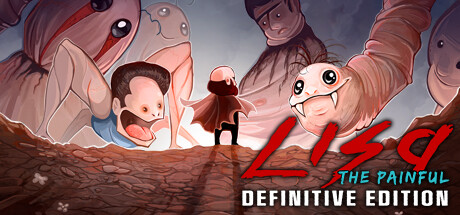
Masterful storytelling and narrative: The game is praised for its engaging, dark, and emotionally impactful story, blending tragedy and comedy seamlessly. Players highlight its well-developed characters, intricate plot, and deep themes like trauma and addiction.
Balanced humor and dark themes: The game effectively balances dark, mature themes with humor, often using absurdity or dark comedy to enhance emotional impact. Players appreciate how comedy never undermines the seriousness of the narrative.
High replayability and meaningful choices: The game offers high replayability through narrative branches, multiple endings, and recruitable characters. Choices significantly impact gameplay and story, adding depth to each playthrough.
Unique and engaging combat system: The turn-based combat is praised for its strategic depth, character-specific abilities, and psychological elements (e.g., taunting, storytelling). Players enjoy the variety of playstyles and dynamic encounters.
Outstanding soundtrack and atmosphere: The soundtrack is frequently highlighted for its ability to enhance the game's tone, blending chaos, emotion, and immersion. The atmosphere is described as cohesive, oppressive, and emotionally resonant.
Common complaints
Punishing and unfair gameplay: Players frequently report frustrating mechanics, such as permanent losses of limbs or companions, instant deaths from environmental hazards, and RNG-based challenges that feel unfair. These elements reduce player agency and encourage save-scumming.
Inconsistent difficulty and design: Difficulty spikes and poorly balanced mechanics (e.g., Pain mode being too easy or Normal mode undermining permadeath) create frustration. Some design choices, like forced actions or scripted events, feel unintuitive or unfair.
Poor pacing and slow gameplay: Players describe the game as slow, boring, and drawn-out, with excessive walking through empty zones and repetitive combat. The lack of a map system exacerbates backtracking and frustration.
Dark and emotionally taxing themes: The game’s narrative explores extreme darkness, including abuse, trauma, and moral desolation, which may be triggering or off-putting for some players. The tonal balance between humor and melancholy is often criticized as jarring.
High price for limited content: The game is frequently criticized as overpriced, especially given its short length and perceived lack of depth. Bundling with the original version and DLC further inflates costs, with players recommending waiting for sales.
Gameplay and performance
Choices with lasting consequences: Player decisions significantly impact gameplay, story, and party composition. Moral dilemmas, forced choices, and gray morality create emotional weight and replayability.
Turn-based combat with deep strategy: The game features a turn-based combat system with tactical elements, unique abilities, and creative item usage. Players must plan strategically, use status effects, and leverage character combos for success.
Permanent death and loss mechanics: Party members can die permanently, limbs can be lost, and resources may be forfeited unexpectedly. These mechanics add tension and emotional stakes to exploration and combat.
Large roster of unique companions: Over 30 recruitable characters with distinct skills, personalities, and abilities allow for diverse party compositions and strategic synergies in combat.
Exploration and hidden content: The game encourages exploration with hidden areas, side quests, and secret bosses. Players discover surprises like caves or doors leading to unexpected events or rewards.
Audio and sound inconsistencies: Players report persistent audio issues, including imbalanced sound effects (too loud/quiet) and bugs that disrupt immersion. These problems were highlighted across multiple clusters.
High performance optimization: The game runs smoothly on mid-range hardware (e.g., Intel Core i5-9300H, GTX 1650) with 120 FPS support and noted optimization improvements. Bug fixes in updates have further enhanced stability.
Alt-Tab and Steam Deck limitations: Players encounter issues when alt-tabbing out of the game, and official Steam Deck support is notably absent, limiting flexibility for some users.
Animation and combat bugs: Some players experience glitches in animations and combat flow, disrupting gameplay fluidity and responsiveness.
Full controller compatibility: The game supports a wide range of controllers, with particular praise for DualSense integration, improving accessibility for console-style play.
Recommendations
Highly recommended game with caveats: The game is widely praised as a must-play experience, especially for fans of narrative-driven RPGs with dark humor and emotional depth. However, reviewers emphasize it is best suited for players in a stable mental state due to its heavy themes and potential triggers.
Play or watch prequel for context: Reviewers strongly recommend engaging with the free predecessor, *Lisa: The First*, or watching a playthrough to enhance understanding and appreciation of the game’s narrative and themes.
Go in blind for first playthrough: Avoiding spoilers and experiencing the game without prior knowledge is highly encouraged to preserve its unique and emotionally impactful narrative structure.
Best value at deep discounts: While the game is praised for its content richness, some reviewers suggest purchasing it only when heavily discounted, indicating a perception of limited accessibility at full price.
Use save slots for multiple outcomes: Players are advised to utilize save slots to explore different narrative branches and outcomes, enhancing replayability and depth of engagement with the story.
Platform notes
Steam Deck: The Steam Deck and Linux experience for *LISA: The Painful* is marred by significant technical barriers. The game does not support native SteamOS/Linux compatibility, requiring users to manually enable Proton/Steam Play. Additionally, font rendering issues on Linux make some text unreadable, further degrading the experience. The lack of native Steam Deck support at launch compounds these issues, forcing users to rely on workarounds. While controller support assumptions are noted, they are less impactful compared to the core compatibility problems.
Extra review signals
Monetization: The user feedback reveals a mixed but predominantly critical perspective on *LISA: The Painful*'s monetization strategy, specifically its paid DLC (*LISA: The Joyful*). The most severe issue is the DLC's necessity for narrative closure and 100% completion, which users perceive as a 'create problem, sell solution' tactic. While the DLC is praised for extending gameplay mechanics and story, its high price and essential nature overshadow these positives. Notably, the game avoids predatory microtransactions, adhering to a one-time purchase model with a paid expansion.
External guides: The primary user feedback highlights a **high dependency on the LISA wiki for Instructional Data (Tier 3)**, particularly for managing saves, understanding complex mechanics, and clarifying narrative elements. While the wiki is praised for its comprehensiveness, its necessity underscores the game's steep learning curve and opaque systems. Technical issues (Tier 4) are mentioned but are not a dominant theme.
Other review notes
RPG Maker development: The game was developed using RPG Maker (VX Ace), which is frequently mentioned as a notable aspect. Players discuss its capabilities and compare it to other RPG Maker titles like OMORI and OFF.
Prequel and sequel context: The game’s narrative is enriched by its connections to a prequel (*Lisa: The First*) and sequel/DLC (*The Joyful*), which players reference for additional context or emotional depth.
Localization and glitches: The game is originally in Chinese but supports localization (e.g., '可漢化'). Players also discuss specific strategies and glitches, such as using bottles for buffs or avoiding fall damage, as part of the gameplay experience.
DLC essential and impactful: The DLC (*The Joyful*) is frequently cited as a must-have addition, offering emotionally impactful content. Players mention plans to purchase it or describe it as essential to the full experience.
Mature Undertale-like experience: The game is often compared to *Undertale* but is described as targeting a more mature audience. It blends dark humor, emotional depth, and unique gameplay mechanics, drawing parallels to titles like *Earthbound* and *Hotline Miami*.