- Enjoyable overall with charming protagonist
- Satisfying parry-based combat system
- Classic Falcom-style story and characters
- Solid Metroidvania exploration elements
- Cliffhanger ending disappoints players
- Gameplay repetitive and combat shallow
Emotions
Archetypes
Hardware
What players like:
Common complaints:
Gameplay feedback:
Performance notes:
Recommendations:
Other player notes:
Similar games
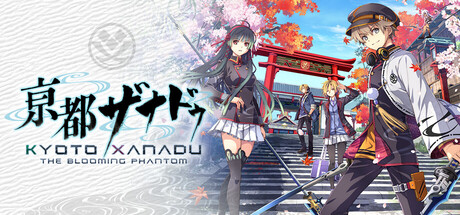
Blend with other games 88%Tokyo Xanadu eX+
 84%Eternights
 82%Stellar Blade™
 82%Sea of Stars
 82%Dark Rose Valkyrie
 82%Beast of Reincarnation
 82%SCARLET NEXUS
 82%Clair Obscur: Expedition 33
 82%The Legend of Heroes: Sen no Kiseki I KAI -Thors Military Academy 1204-
 81%Ys VIII: Lacrimosa of DANA
 81%LunarLux
 81%The Legend of Heroes: Trails of Cold Steel
Review evidence
Why players say this
Review evidence
Why players say this
Steam review verdict
Charming protagonist and satisfying parry combat shine in a classic Falcom Metroidvania, but repetitive gameplay, shallow combat, and a cliffhanger ending disappoint.
What players like
Game is enjoyable overall: Players find the game enjoyable and recommend it despite minor flaws. The gameplay is fun and the game is considered decent overall.
Protagonist is charming and likable: The protagonist is consistently described as charming, likable, intelligent, and witty. Players appreciate the well-developed personality and smart demeanor.
Satisfying parry-based combat: The 3D action combat with parry and dodge mechanics is satisfying and fun. Players enjoy the high parry rewards and flashy swordplay.
Character designs are appealing: Character designs, especially the female characters, are praised for being cute, distinctive, and visually appealing. The models and art are well-received.
Classic Falcom-style story: The story is recognized as having the authentic Falcom flavor, with typical Falcom-style storytelling and quality. Fans of Falcom will find it familiar and satisfying.
Common complaints
Story ends on cliffhanger: Multiple reviews report that the story is incomplete and ends abruptly, leaving numerous plot threads unresolved and creating a frustrating cliffhanger. This suggests the narrative feels half-finished, with a clear set-up for a sequel but no satisfying conclusion.
Gameplay is repetitive and boring: Players frequently mention that combat, map exploration, and daily life segments become monotonous and tiring, especially in the late game. The repetition leads to a sense of boredom and reduces overall enjoyment.
Combat system lacks depth: The combat is often described as shallow, simple, and lacking depth, with weak mechanics such as the inability to cancel attacks into dodges or blocks. This makes the combat feel less engaging and less fun compared to other games in the genre.
Game has low-budget feel: The game shows signs of limited budget, including stiff animations, cheap visuals, and a general feeling of being slapped together. This affects the overall presentation and makes the game seem less polished.
Enemy variety is too low: Many reviewers note that enemy variety is extremely poor, with most enemies being palette swaps or reskins with simple designs. This contributes to the repetitive combat and lowers the overall appeal.
Gameplay and performance
Metroidvania-style exploration: The game features 2D side-scrolling Metroidvania exploration with ability gates and progressive unlocks. This style is consistent across dungeons and maps.
Mixed 2D and 3D combat: Boss fights and key battles switch to 3D action, while exploration and regular combat are 2D side-scrolling. This hybrid approach is a defining feature.
Parry and dodge mechanics: Combat emphasizes parrying and dodging, with high rewards for successful timing. These mechanics are central to both 2D and 3D combat modes.
Persona-like daily life system: The game incorporates a daily schedule system reminiscent of Persona, including time slots, classes, and free-time activities. This structure blends school life with dungeon exploration.
Bond and relationship system: The game includes a bond system with party members, social links, and affinity levels that unlock character stories. This is similar to Persona's social links.
Startup crashes prevent launch: Multiple players report the game crashing or failing to launch on startup, including a specific error code 0x4c7. This is a common and critical issue affecting initial access to the game.
Resolution locked to 2K: An update locked the resolution to 2K, causing severe lag on a 4060 GPU. Players also report inability to adjust resolution, leading to performance problems.
Mixed optimization reports: Players have conflicting experiences with optimization, with some praising it and others calling it poor. This inconsistency suggests variable performance across different hardware configurations.
Resolution scaling issues: High resolution scaling settings cause crashes, and borderless mode has resolution and scaling issues. Players need workarounds for fullscreen or borderless modes.
Steam Deck compatibility praised: The game runs well on Steam Deck, including docked to a TV at 1080/60 fps. This is a positive note for handheld players.
Recommendations
Recommended for Falcom fans: Many reviewers state the game is best suited for fans of Falcom, though some feel it's not compelling for others. Recommendations often come with caveats about price, suggesting it's a niche title.
Fits JRPG genre: The game is recommended for fans of JRPGs, especially those who enjoy story-driven experiences and light action combat. It appeals to fans of the Trails series, Persona, and Tokyo Xanadu.
Buy on sale: A significant number of reviewers advise waiting for a discount, with some specifying at least 50% off. The game is considered overpriced at full retail.
Strongly recommended by some: Despite mixed feedback, a minority of players strongly endorse the game, recommending it for purchase. These positive reviews often highlight the story and character development.
Mixed recommendation overall: While some reviewers recommend the game, others advise against it, leading to a balanced but polarized reception. This suggests the game has niche appeal.
Buying context
Community fair range: $10.00 - $20.00.
Game completion: 65.0h.
Story completion: 35.0h.
The game is immediately engaging in its first several hours thanks to crisp combat and exploration, but quickly loses momentum due to repetitive enemy designs and a grindy daily loop, causing enjoyment to drop significantly by the mid-game.
Player profiles
Falcom Loyalist: Completes all content, explores Easter eggs, and forgives shortcomings for the sake of brand loyalty and nostalgia. Motivation: Falcom nostalgia and loyalty, enjoying familiar franchise elements and references. Stance: buy.
Persona Comparison Disappointed: Focuses on social links and character interactions; becomes frustrated that these lack depth compared to Persona 5. Motivation: Seeking deep social simulation and meaningful character relationships as seen in the Persona series. Stance: sale.
Repetition Fatigue Critics: Initially engaged but tires of the monotonous loop of daily school actions and uninspired dungeon crawling, often dropping the game before completion. Motivation: Desire for varied gameplay, interesting enemy designs, and rewarding combat mechanics. Stance: deep sale.
Platform notes
The game runs well across all hardware cohorts, with only minor issues like occasional crashes or frame drops on high-end systems.
Windows 12-15GB VRAM: positive. Most players report smooth combat and good flow, though some note needing DLSS at 4K and occasional stuttering.
Windows 8-11GB VRAM: positive. Players report a seamless and smooth experience with the 2D exploration and 3D combat combination.
Windows 16GB+ VRAM: positive. Performance is generally good, but a few users encountered startup crashes and occasional frame drops during combat.
Steam Deck: This Ys title shows mixed Steam Deck performance. While many users enjoy smooth 60fps gameplay and report native compatibility, others encounter startup crashes and frame drops, primarily related to resolution scaling settings. Black screen transitions are a common aesthetic complaint but not a technical barrier. Adjusting in-game settings resolves most stability issues.
Extra review signals
External guides: The user feedback indicates that while the game's achievement system is generally manageable without a guide on the first playthrough, there is a specific missable collectible (Word Collector) that strongly forces the use of external guides and multiple reloads. Additionally, some achievements require guides due to hidden character appearances. However, the user also notes that in-game class quizzes have no reward, so no guide is needed for that. The overall sentiment is positive towards the game systems.
Other review notes
Story left incomplete for sequel: Many reviews note that the story ends with unresolved plot threads and a cliffhanger, clearly setting up a sequel or enhanced version. This is a common criticism, with 19 mentions in one cluster.
Comparison to Tokyo Xanadu: Players frequently compare this game to Tokyo Xanadu, whether as a sequel or in terms of quality, combat, and story. The comparisons are mixed, with some preferring Tokyo Xanadu.
Comparison to Trails series: The game is often compared to Falcom's Trails series, particularly in story structure, cliffhangers, and unresolved threads. Reviewers speculate if this will become a long-running series like Trails.
Comparison to Persona series: The game's social systems, daily life, and calendar mechanics are frequently compared to Persona. Some find it a fun take, while others feel it falls short.
Sequel to Tokyo Xanadu: The game is identified as a sequel or prequel to Tokyo Xanadu, set in the same universe and often years later. It is seen as a new entry in the Xanadu series.