- Dynamic, engaging combat system
- Stunning visuals and art style
- Excellent soundtrack and audio
- Confusing, poorly presented story
- Repetitive and tedious gameplay
- Clunky, unresponsive combat
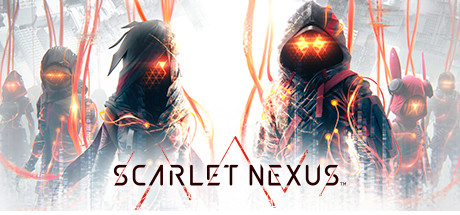
Emotions
What players like:
Common complaints:
Gameplay feedback:
Performance notes:
Recommendations:
Other player notes:
Similar games
Blend with other games




Review evidence
Why players say this
Review evidence
Why players say this
What players like
Dynamic and Engaging Combat System: The combat system is a standout feature, lauded for its dynamic, fluid, and flashy action. Players enjoy the unique combination of psychokinesis, melee attacks, and the strategic use of companion abilities (SAS system), which allows for varied combos and keeps battles engaging throughout the game.
Stunning Visuals and Art Style: Players consistently praise the game's visual presentation, highlighting its stunning anime-inspired art style, beautiful graphics, and stylish character designs. The overall aesthetic is frequently described as unique, vibrant, and a major strength.
Compelling Story and Characters: The game's narrative and characters are highly praised, with many players becoming deeply invested in the well-developed cast. The bond stories are particularly noted for adding depth and personality, making characters feel relatable and their journeys emotionally impactful.
Intriguing Dual-Perspective Narrative: The story is generally well-received for its intriguing plot, unexpected twists, and unique dual-protagonist narrative structure. Playing from two different perspectives enriches the world-building and encourages replayability for a complete understanding of the lore.
Underrated Anime Action RPG: Many players consider the game an underrated gem, especially for fans of anime-style action RPGs. It's seen as a refreshing and enjoyable experience that often exceeds expectations, particularly when purchased on sale.
Common complaints
Confusing and poorly presented story: The story is widely criticized for being confusing, poorly written, and having inconsistent pacing. The dual-protagonist narrative, often presented through static 'PPT-style' cutscenes, requires two playthroughs for full understanding, which many found to be an unnecessary and repetitive chore that detracted from immersion.
Repetitive and tedious gameplay: Players found the overall gameplay experience, especially in the late game, to be highly repetitive and monotonous. This includes fighting the same limited variety of enemies, traversing recycled environments, and engaging in combat that quickly loses its initial appeal, leading to tedium and a feeling of artificial length.
Clunky and unresponsive combat: The combat system suffers from clunky controls, particularly for keyboard and mouse users, and a frustrating dodge mechanic that often cannot interrupt attack animations. This leads to a lack of fluidity, unfair hits, and a generally uncomfortable combat experience, especially against multiple enemies.
Illogical and unlikable characters: Character writing is a significant weakness, with many players finding protagonists and supporting characters to be illogical, inconsistent, and stereotypical. Their motivations and actions often make little sense, leading to a lack of empathy and frustration, particularly with the female protagonist's 'riddler' behavior and the male protagonist's perceived naivety.
Slow and unrewarding early game: The early game is frequently described as slow, boring, and frustrating due to limited skills and a lack of engaging combat mechanics. Character progression feels unrewarding, with basic abilities locked behind skill trees, making the initial hours a tedious grind before the combat system fully develops.
Gameplay and performance
Dual Protagonist Storylines: The game features a dual-protagonist narrative, requiring players to complete two playthroughs (one for each character, Yuito and Kasane) to fully understand the overarching story. While the core plot intertwines, each character offers a distinct perspective and unique details, especially in the early to mid-game. The total playtime for both routes is substantial, ranging from 40 to 90 hours depending on completion.
Dynamic Psychic Combat System: Combat is a core strength, centered around psychokinesis and the 'Struggle Arms System' (SAS). Players can borrow and combine unique psychic abilities from their teammates (e.g., superspeed, pyrokinesis, invisibility) to create dynamic combos and exploit enemy weaknesses. This system evolves, allowing for more complex and fluid combat as new powers are unlocked.
Visual Novel Story Presentation: A significant portion of the story is delivered through visual novel-style cutscenes, often using static images or 'cyber-manga' panels rather than fully animated sequences. While some find this charming, others feel it makes the game feel more like a visual novel with interspersed action, requiring patience for extensive dialogue.
Companion Bonding & Gifts: The game incorporates a social-bonding system, similar to Persona's social links, where players deepen relationships with companions through dialogue and gift-giving during 'rest phases.' This system is crucial for character development and provides tangible combat advantages, such as unlocking new abilities and strengthening existing ones.
Adjustable Difficulty Settings: The game offers multiple difficulty settings, from easy to hard, allowing players to tailor the challenge. Many reviewers note that the game is 'easy to learn but hard to master,' with effective use of psychokinesis and SAS abilities being key to overcoming higher difficulties. Difficulty does not impact achievements.
Excellent Performance and Optimization: The game generally exhibits excellent performance across various PC configurations, including lower-end systems and the Steam Deck. Players report high frame rates, fast load times, and a notable absence of major bugs or crashes, indicating strong optimization.
Minor Performance Issues Exist: While overall performance is strong, some players experienced minor issues such as frame drops on specific hardware (RTX 2080 Super), stuttering when entering levels, or performance dips in particular areas like Heino Mountain. Forcing DX12 or tweaking settings can improve performance.
Reasonable System Requirements: The game's system requirements are considered reasonable, with many players finding it runs well on mid-range to even some lower-end hardware. The game size is also manageable.
Isolated Minor Bugs: A few isolated issues were reported, including a misconfigured cloud save, incorrect Steam Deck playtime tracking, a specific movement bug for Yuito, and missed up-attacks with a controller. These appear to be rare occurrences.
No Ultrawide Monitor Support: The game lacks native ultrawide monitor support, requiring players with 21:9 aspect ratio screens to manually adjust settings or use mods to fix display issues.
Recommendations
Generally Recommended Game: Many players recommend the game, often with caveats about price or specific preferences. It's generally seen as a good, enjoyable action RPG, especially for fans of the genre or anime aesthetics.
Play Both Character Stories: Players frequently discuss the dual-protagonist story structure, with many recommending playing both characters' routes to fully understand the plot. There are mixed opinions on which character to play first, but the consensus is that a single playthrough is insufficient for the complete narrative.
Buy Only on Sale: A significant number of reviews strongly advise purchasing the game only when it is on sale, often at a deep discount. The full price is widely considered too high for the value offered.
Good for Action & Anime Fans: The game is highly recommended for players who enjoy fast-paced action combat, anime aesthetics, and JRPG elements. However, it's often advised against for those prioritizing a deep, flawless story.
Not Recommended by Some: A notable portion of the feedback expresses strong reservations or outright discouragement against buying the game, particularly at full price. Some even suggest avoiding it entirely or seeking refunds.
Other review notes
Polarized Story Reception: Player opinions on the story are highly polarized. While some find it intriguing, unique, and well-structured with good pacing and twists, others criticize it as confusing, cliché, drawn out, and nonsensical, especially regarding its time travel elements and over-explanation. The presentation style, often using comic-book-like or 'PPT' cutscenes, also contributes to mixed feelings.
Extensive Playtime and Value: The game offers substantial playtime, with many players reporting 40-70+ hours for completion, especially when pursuing all achievements or playing both protagonist routes. This extensive content, combined with frequent sales, makes the game feel like a good value for money, though it does require a significant time investment.
Mixed Soundtrack Reception: The game's soundtrack receives mixed reviews, with some players finding it brilliant, memorable, and perfectly fitting the futuristic setting, while others describe it as forgettable or average. Specific praise is given to the diverse tracks, catchy tunes, and immersive sound design, particularly during key gameplay moments.
Divisive 'PPT' Cutscene Style: The game's use of 'PPT' or comic-book-style cutscenes is a notable and divisive aspect. While some players find them well-made, acceptable, or even cool, others perceive them as a sign of a tight budget or find them chaotic and disorienting. The ability to skip most cutscenes is appreciated.
Gameplay Comparisons to ARPGs: Players frequently compare the game's combat and overall style to other titles, particularly 'Tales of Arise,' 'Final Fantasy XV,' and 'Devil May Cry.' There's a strong sentiment that it should not be compared to 'Souls-like' games or 'Code Vein,' despite some superficial visual similarities, as its core gameplay is more action-oriented.