- Masterful sound design enhances immersion deeply
- Stunning art and atmosphere create unique world
- Environmental storytelling excels without dialogue
- Clunky controls hinder precise gameplay moments
- Unfair difficulty spikes frustrate players often
- Frustrating checkpoint system disrupts flow
Emotions
What players like:
Common complaints:
Gameplay feedback:
Performance notes:
Recommendations:
Other player notes:
Similar games
Blend with other games





Review evidence
Why players say this
Review evidence
Why players say this
What players like
Masterful Sound Design: Sound design is frequently cited as a standout feature, enhancing tension and immersion. Subtle audio cues, eerie music, and ambient sounds contribute to the game's oppressive and unsettling atmosphere.
Stunning Art and Atmosphere: The game's visuals and atmosphere are consistently praised for their unique blend of creepy and beautiful aesthetics, creating a memorable and immersive experience. Players highlight the macabre yet captivating art style, lighting, and character designs.
Memorable Storytelling Without Dialogue: The game excels in environmental and visual storytelling, conveying a deep and engaging narrative without words. Players appreciate the ambiguity and personal interpretation encouraged by the lack of dialogue.
Short but Impactful Experience: The game's concise length is seen as a strength, avoiding filler content and delivering a tight, engaging experience. Players appreciate the lack of unnecessary padding and the high replay value due to missed details.
High-Quality DLC Expansions: The DLCs are highly regarded for expanding the lore, introducing new mechanics, and deepening the story. Players appreciate the additional content and the emotional weight added by the expansions.
Common complaints
Clunky and imprecise controls: Controls are described as unresponsive, sluggish, and difficult to master, particularly for jumping, grabbing, and ladder mechanics. This issue is exacerbated in precision-based segments, leading to unnecessary deaths.
Unfair difficulty and design: Difficulty often stems from poor design choices, such as unclear objectives, unintuitive interactions, and enemy AI inconsistencies. Players feel frustration rather than satisfaction from overcoming challenges.
Frustrating checkpoint and save system: Checkpoints are sparse, poorly placed, or reset progress significantly, forcing players to replay lengthy segments after death. This issue is particularly problematic in high-stakes or difficult areas.
Weak horror and narrative elements: Despite its horror theme, the game fails to deliver scares or a compelling story. The narrative is vague, unsatisfying, and leaves many questions unanswered, while horror elements are described as weak or nonexistent.
Poor puzzle design and guidance: Players frequently criticize the game's puzzles for lacking logic, clear hints, and intuitive design. Many puzzles require trial and error or blend into the environment, causing frustration and confusion.
Gameplay and performance
Environmental Storytelling: The narrative is conveyed entirely through visuals, sound, and environmental details, with no dialogue or text. This minimalist approach creates ambiguity and immerses players in the game's eerie atmosphere.
Core Puzzle-Stealth Gameplay: The game revolves around puzzle-solving, stealth, and platforming mechanics, with no direct combat. Players hide, run, and interact with the environment to progress, often avoiding enemies through creative solutions.
2.5D Platforming with Horror: The game uses a 2.5D perspective (side-scrolling with depth) to blend platforming, puzzles, and stealth. This design choice enhances tension and exploration in dark, oppressive environments.
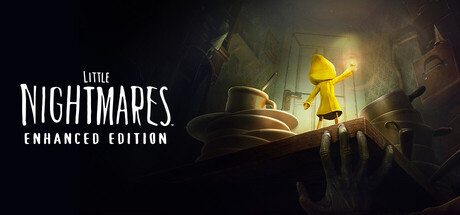
Child Protagonist in Nightmare World: Players control Six, a vulnerable child in a yellow raincoat, navigating grotesque and hostile environments. The contrast between the protagonist's innocence and the game's horror amplifies emotional impact.
Unique Enemy and Boss Designs: Enemies like the Janitor, chefs, and other monsters are creatively designed to evoke fear and tension. Boss encounters require unique strategies, such as stealth or environmental manipulation.
Frequent crashes and errors: Multiple reports of sudden crashes, fatal errors, and unhandled exceptions, including crashes from the pause menu when the computer enters sleep mode. Some crashes are tied to specific DLC content.
Hardware optimization problems: While the game runs on low-end hardware, players report FPS drops during camera transitions and optimization issues on weaker systems, leading to inconsistent performance.
Highly optimized performance: The game is well-optimized, running smoothly on basic or entry-level PCs, including integrated graphics with minimal FPS drops. Most players report no major technical issues.
DLC-specific bugs and AI issues: DLC content suffers from script failures, stuck objects, interaction issues, and enemy AI bugs. A specific crash occurs when dying in a DLC.
Enhanced version instability: The enhanced version of the game is reported as broken, with additional issues like film grain requiring manual fixes. This affects overall playability.
Recommendations
Highly recommended for horror fans: The game is frequently recommended for fans of atmospheric horror, psychological horror, and dark storytelling. Many reviews highlight its unique experience and strong appeal to niche audiences who enjoy immersive, unsettling gameplay.
Value depends on price: Many players recommend purchasing the game only during sales, citing its short length and high price as potential drawbacks. Some suggest waiting for discounts of 80-90% for better value.
Not for everyone: The game is described as niche, with some players warning it may not appeal to casual gamers or those uncomfortable with dark themes, psychological horror, or authority figure violence.
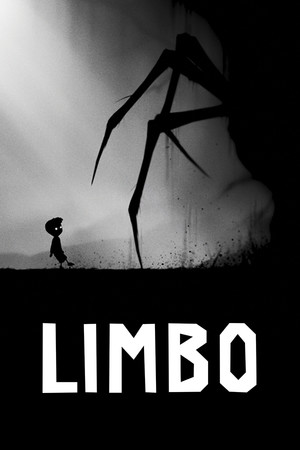
Appeals to fans of similar games: The game is frequently compared to titles like *Limbo*, *Inside*, and *Hollow Knight*, making it a must-play for fans of atmospheric platformers and psychological horror.
Best played with immersive setup: Players suggest using headphones and playing at night for better immersion. Some also recommend using a joystick for optimal control, enhancing the overall experience.
Platform notes
Steam Deck: Little Nightmares receives mixed feedback regarding its Steam Deck experience. While the game is praised for its strong artistic direction, atmosphere, and optimization for the platform, it suffers from significant control and camera issues that hinder gameplay. The imprecise controls and misleading camera angles lead to unnecessary deaths and frustration, particularly during platforming sections. Additionally, the checkpoint system is poorly designed, forcing players to replay lengthy segments. Despite these flaws, the game runs smoothly on the Steam Deck with no major compatibility issues, making it a viable option for portable play.
Extra review signals
Monetization: The monetization strategy for *Little Nightmares* is heavily criticized for its handling of DLC. Players perceive the DLC as cut content that should have been included in the base game, particularly because achievements and story completion require its purchase. The pricing is widely regarded as unfair, with players feeling forced to buy the DLC to access the full experience. While the DLC content itself is praised for its quality and narrative depth, the overall monetization approach is seen as aggressive and predatory, especially given the technical issues and lack of bundling options.
External guides: The user feedback for *Little Nightmares* highlights significant pain points centered around the game's lack of in-game guidance, over-reliance on external walkthroughs, and poor interaction mechanics. Players frequently report frustration with unclear puzzles, hidden interactions, and unresponsive controls, which force them to consult external resources to progress. Additionally, navigation issues and problematic pursuit sequences further degrade the user experience. While the game's atmosphere and storytelling are praised, these usability flaws create substantial barriers to enjoyment.
Other review notes
DLC enhances value and playtime: The DLC is frequently mentioned as a highlight, often considered superior to the main game. It extends playtime and adds content, though pricing and the need for precise controller inputs are noted.
Affordable pricing and promotions: Many players purchased the game during sales or promotions, considering it worth the original price. Some obtained it for free during giveaways, adding to its perceived value.
Sequel anticipation and lore expansion: Players express excitement for sequels like *Little Nightmares II* and *III*, as well as future releases like *End of Abyss*. The lore, tied to themes of nightmares and hunger, adds depth to the franchise.
Achievements and completionist appeal: Players highlight the satisfaction of unlocking achievements, including challenging ones like 'Hard to the Core.' The platinum trophy requires exploration, patience, and completion of DLC chapters.
Multiplatform accessibility: The game is available on multiple platforms, including PS4, PC, and mobile, allowing players to experience it across different devices.