- Stunning visuals and graphics
- Immersive and tense atmosphere
- Amazing emotional story
- Frequent performance stutters
- Poorly optimized game
- Combat feels clunky
Emotions
Archetypes
Hardware
What players like:
Common complaints:
Gameplay feedback:
Performance notes:
Recommendations:
Other player notes:
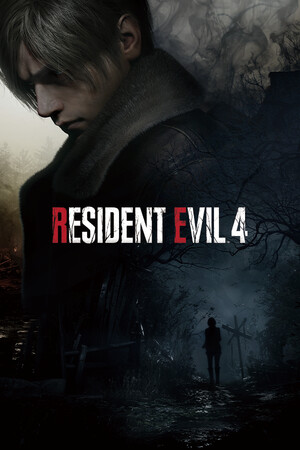
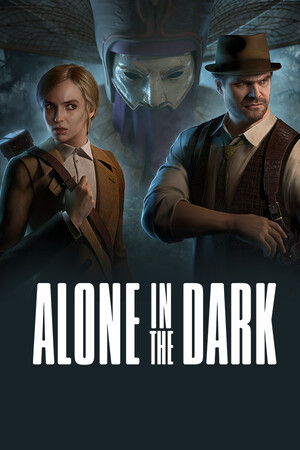
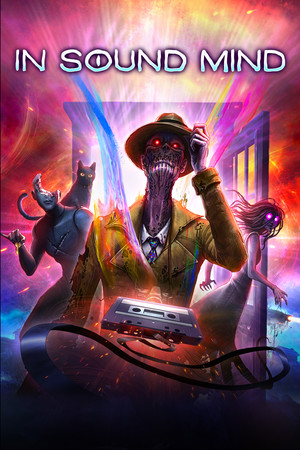
Similar games
Blend with other games






Review evidence
Why players say this
Review evidence
Why players say this
Steam review verdict
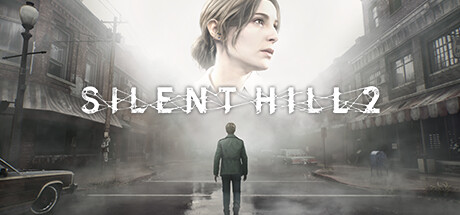
Stunning visuals, an immersive tense atmosphere, and an emotional story are marred by frequent stutters, poor optimization, and clunky combat.
What players like
Stunning visuals and graphics: Many reviewers praise the game's visuals, describing them as stunning, beautiful, and full of detail. The graphics, atmosphere, and visual design are consistently highlighted as top-tier.
Exceptional soundtrack and sound: The soundtrack and sound design receive high praise, with special mention of Akira Yamaoka's compositions. The music is described as iconic, haunting, and perfectly matching the game's tone.
Amazing and emotional story: The story is widely regarded as amazing, emotional, and unforgettable. Reviewers mention its unique narrative, plot twists, and emotional depth as standout elements.
Effective psychological horror: The game is consistently described as scary, terrifying, and effective as a psychological horror. Reviewers appreciate the use of atmosphere and sound over cheap jump scares.
Immersive and tense atmosphere: The game's atmosphere is consistently praised as immersive, tense, and excellently constructed. The combination of visuals, audio, and environmental design creates a strong sense of dread.
Common complaints
Frequent performance stutters and drops: Players consistently report frame drops and stuttering in various scenes, zones, and cutscenes, even on high-end hardware. The issues are attributed to poor optimization and Unreal Engine 5.
Game is poorly optimized: Multiple players describe the game as poorly optimized, with performance issues such as low FPS, high VRAM usage, and the need for low graphics settings on decent PCs. This is a recurring major complaint.
Combat feels clunky and repetitive: Combat is often described as clunky, slow, repetitive, and unsatisfying, with limited enemy variety. The lack of depth and variety makes fights feel like a slog.
Game is too long and padded: The game is criticized for being too long and padded with unnecessary busywork, leading to a slog. Story pacing suffers due to the extended length.
Limited enemy variety: Enemy variety is limited, with only a few types of enemies that repeat frequently, leading to boredom and repetition. This is a common criticism across different reviews.
Gameplay and performance
Atmospheric psychological horror experience: The game is consistently described as an atmospheric psychological horror experience that relies on mood, sound, and storytelling rather than jump scares, offering a deeply immersive and anxiety-inducing gameplay.
Puzzles complement exploration gameplay: The gameplay integrates thoughtful puzzles with exploration, varying in difficulty and complexity to challenge players without becoming overly frustrating, complementing the horror exploration loop.
Remake with expanded content: It is a modern remake of the classic survival horror title, significantly expanding the original with new areas, enhanced graphics, and a longer campaign that extends playtime from roughly 10 hours to 25–30 hours.
Combat and boss fights: Combat includes melee and firearm mechanics, boss fights with multi-phase encounters, and a dodge mechanic, providing real-time action and challenging enemy encounters throughout the game.
Multiple endings and New Game Plus: The game offers multiple endings (including eight total) influenced by player actions, with a New Game Plus feature that encourages multiple playthroughs to unlock every outcome.
Performance issues widespread: A majority of reviewers report frequent stuttering, micro-stutters, and frame drops across various hardware configurations, including high-end systems. Issues persist in cutscenes, during shader loading, and in specific in-game areas.
Poor optimization criticized: Many reviewers describe the game as poorly optimized, with performance problems even on powerful PCs. Several note that achieving stable frame rates requires lowering graphics settings or using performance mods.
DLSS and frame gen issues: Several reviewers report issues with DLSS and frame generation, including visual artifacts like fireflies and image noise. Some struggle to maintain 60 FPS at 4K even with DLSS and frame generation enabled.
Extreme FPS drops reported: Some report extreme frame rate drops to as low as 10-20 FPS in certain scenarios, even on low settings or with upscaling enabled.
Some report smooth performance: A minority of reviewers report smooth performance with high frame rates on high-end settings, particularly with FSR or at lower resolutions. This suggests performance varies greatly depending on hardware and settings.
Recommendations
Great for horror fans: Multiple clusters emphasize that the game appeals strongly to fans of psychological horror, survival horror, and deep storytelling. These specific genre recommendations highlight the game's core strengths.
Game is strongly recommended: Reviewers strongly and unanimously recommend the game, describing it as worth every penny and not to be missed. This broad praise indicates high overall satisfaction.
Buy on sale: Many reviewers suggest waiting for a sale or buying at a discount, though some say it is worth full price. This indicates a value concern rather than a quality issue.
Suitable for all players: Reviewers recommend the game to both newcomers and veterans of the original Silent Hill, noting it works as a perfect entry point while also satisfying old fans. This broad appeal is a key positive.
Recommend to everyone: Some reviewers recommend the game to everyone, especially those who want to experience its story. This indicates broad accessibility and narrative appeal.
Buying context
Community fair range: $30.00 - $40.00.
Game completion: 40.0h.
Story completion: 15.0h.
Session length: 2.5h.
Many players report a slow and boring start, but enjoyment clicks after reaching the first indoor area or after a couple of hours. However, some also find the middle and later parts repetitive and tedious.
Friction: slow start; repetitive combat; limited enemy variety; tedious keyhunts; padded length; clunky controls.
Unlock drivers: reaching the first indoor area; getting to the first real location; story progression; atmospheric immersion; increased tension from indoor environments.
Player profiles
First-Time Visitor: Cautious exploration, full immersion in atmosphere and narrative, avoiding spoilers. Motivation: Experience the acclaimed psychological horror story for the first time. Stance: buy.
Veteran Purist: Critical analysis, comparing every aspect to the original, prefers slower and more atmospheric experience. Motivation: Preserve and honor the original masterpiece. Stance: no buy.
Psychological Horror Enthusiast: Slow, reflective, attentive to detail, focusing on story and atmosphere over action. Motivation: Explore profound psychological and emotional narratives. Stance: buy.
Platform notes
Across all Windows hardware cohorts, the game exhibits widespread performance issues such as stuttering, frame drops, and optimization problems, leading to mixed player experiences even on high-end systems.
Windows 12-15GB VRAM: mixed. Performance issues like stuttering and frame drops are widely reported, even by those who recommend the game, though some find it playable with tweaks.
Windows 8-11GB VRAM: mixed. Many players experience poor optimization, crashes, and stuttering, though some manage acceptable performance with settings adjustments.
Windows <8GB VRAM / <16GB RAM: mixed. Frequent frame drops and optimization problems are common, with some players still recommending the game despite the issues.
Steam Deck: Silent Hill 2 Remake is widely praised for its narrative and atmosphere, but on Steam Deck it delivers a deeply inconsistent experience. Severe performance issues (stuttering, sub-30 FPS) and frequent crashes undermine playability. While extensive tinkering—Proton versions, third-party mods, and upscaling tools like Lossless Scaling or FSR4—can yield a serviceable 30-60 FPS, the game remains unstable even after adjustments. Many users find it broken or barely playable without significant effort.
Linux and Proton: The game generally works well on Linux/Proton with the common tweak of adding -dx11 to launch options. Some users require additional environment variables or Proton GE, but the majority report smooth gameplay after minor adjustments. No major blockers like anti-cheat or DRM are reported.
Extra review signals
Monetization: The game is a one-time purchase remake with no microtransactions, gacha, lootboxes, or pay-to-win mechanics. All negative reviews focus on the upfront price or perceptions of a cash-grab remake, which are not evidence of predatory in-game monetization.
Mod reliance: The reviews consistently indicate that Silent Hill 2 has notable performance issues such as stuttering and low FPS, requiring community mods to achieve a stable experience. While crashes are mentioned by one user, the primary reliance on mods is for performance optimization rather than fixing game-breaking crashes. The game is playable after applying mods, but the need for external fixes reflects a significant reliance on the community.
External guides: User feedback indicates a notable external data dependency primarily for puzzle solutions and ending triggers. While many players found the game playable without guides, a significant subset reports that puzzles and ending conditions are too obscure without external help, leading to frustration and breaking immersion. Additionally, a few players also relied on wikis for story comprehension.
Other review notes
Remake of Silent Hill 2: Players widely identify the game as a remake of Silent Hill 2, which was originally released in 2001. It is praised for modernizing the classic with updated graphics, sound, and new content while remaining faithful to the original.
Built on Unreal Engine 5: The game is built on Unreal Engine 5, which contributes to its modern visuals and heavy performance requirements. This technical foundation is a common point of discussion in reviews.
Mixed opinions on price: Opinions on the price vary: some find it worth the money, while others note it is expensive and better appreciated when purchased on sale. Many reviewers recommend waiting for a discount before buying.
High hardware demands and optimization issues: Several reviews mention the game has high system requirements and poor optimization, making it difficult to run smoothly on weaker PCs. Optimization issues have been present since launch, impacting performance for some players.
Multiple endings enhance replayability: The game features multiple endings, with one review noting eight different endings, though some have challenging unlock conditions. This encourages replayability and adds depth to the horror experience.