- Excellent graphics and visuals
- Great balance of horror and action
- Compelling story and narrative
- Less scary than Resident Evil 7
- Inferior to Resident Evil 4
- No FOV slider causes issues

Emotions
Archetypes
Hardware
What players like:
Common complaints:
Gameplay feedback:
Performance notes:
Recommendations:
Other player notes:
Similar games
Blend with other games


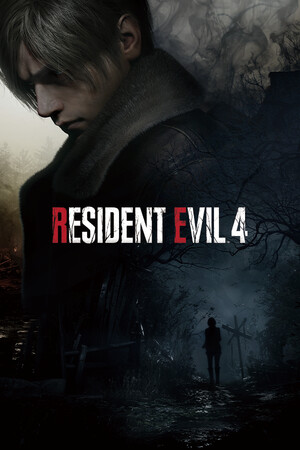
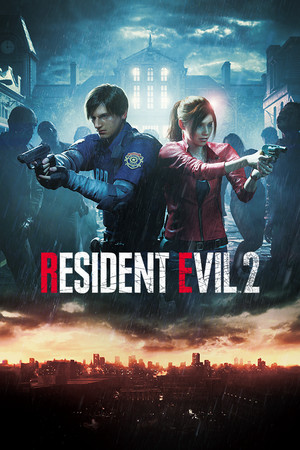


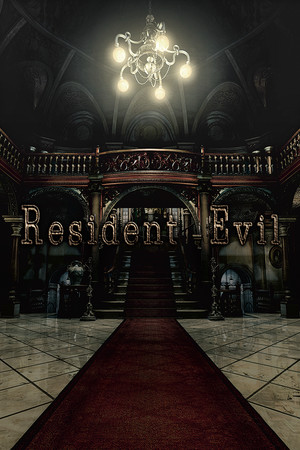

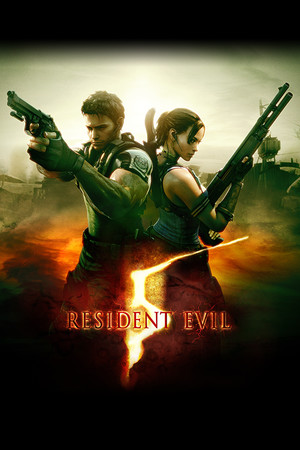

Review evidence
Why players say this
Review evidence
Why players say this
Steam review verdict
Stunning visuals, a compelling story, and a strong horror-action mix, but it's less scary than Resident Evil 7, weaker than Resident Evil 4, and lacks an FOV slider.
What players like
Excellent graphics and visuals: Reviewers consistently praise the game's graphics, visuals, and art direction as outstanding. Many highlight detailed textures, lighting, and a film-like presentation that sets a high bar for AAA quality.
Great balance of horror and action: Many reviews highlight the successful blend of survival horror and action. The pacing is well-tuned, keeping the experience tense yet exciting without becoming stale.
Compelling story and narrative: The story is frequently praised as moving, interesting, and well-developed. It stands out as a highlight of the game and a strong entry in the Resident Evil series.
Fun and satisfying gameplay: The core gameplay loop is widely described as fun, solid, and enjoyable. Players find the moment-to-moment action engaging and well-executed.
Ethan Winters as protagonist: Ethan Winters is widely regarded as a great and underrated protagonist. His portrayal as a determined family man adds emotional depth and makes him relatable.
Common complaints
Less scary than Resident Evil 7: Many players find the horror elements significantly dialed back compared to Resident Evil 7, with less intensity and fewer genuinely frightening moments. The game leans more toward action, which reduces the overall tension and scary atmosphere.
Inferior to Resident Evil 4: Several reviewers feel the game is a poor imitation of Resident Evil 4, with worse gameplay, poorly designed controls, and a lack of content and polish. It is often described as a lame clone that fails to capture the strengths of its predecessor.
No FOV slider causes issues: The absence of a field-of-view slider on PC leads to a narrow default FOV that causes motion sickness and discomfort for many players. This is a common complaint, with some unable to adjust without mods.
DLC is poorly received: Both the base DLC and the Shadows of Rose expansion are criticized for being boring, tedious, and poorly developed, with lackluster arsenal and bland motivations. Many players found the DLC content disappointing and not enjoyable.
Story and dialogue are weak: The story and dialogue are frequently criticized as mediocre, with a disappointing direction for Ethan Winters and a plot that becomes messy and lukewarm. Many find the narrative lacks the engaging quality of previous titles.
Gameplay and performance
Boss fights variety: The game includes multiple boss fights, each with different mechanics and dynamics. Players face a variety of bosses, including Dimitrescu and other lords.
Balances horror and action: The game strikes a balance between survival horror and action gameplay. It leans more toward action than pure horror.
Third-person view option: Players can switch between first and third person perspectives. The third-person mode is available via DLC.
Weapon upgrade system: Players can upgrade their weapons, including shotguns, through a system. This adds depth to combat and progression.
First-person perspective: The game is played from a first-person perspective, enhancing immersion in the horror survival gameplay.
Strong PC Optimization and Performance: The game is widely praised for excellent optimization with stable high frame rates, even on mid-range and older hardware. Smooth performance is noted across various systems, including Steam Deck and laptops.
Impressive Visuals and RE Engine: Graphics are frequently described as stunning, with the RE Engine delivering impressive lighting, reflections, and detail. The game looks great while maintaining good performance.
PC Port Criticism and Optimization Issues: Some players report poor optimization on PC, with crashes and performance problems, especially compared to other RE Engine titles. A few describe it as a badly optimized port.
FPS Drops in Specific Areas: Frame rate drops occur in certain rooms, such as the atelier in the castle, the Dimitrescu mansion, and areas with many dynamic lights. Some players report severe lag and halved FPS in these spots.
FOV Issues and Motion Sickness: The default FOV is very narrow (70-81 degrees) and cannot be adjusted without mods, causing motion sickness and dizziness for some players. This is a common complaint on PC.
Recommendations
Highly Recommended Overall: Many reviewers give the game a strong recommendation, often without caveats, and describe it as a must-play. This sentiment appears across several clusters with high frequency.
Recommended for Resident Evil Fans: Fans of the Resident Evil series, especially those who enjoy classic elements or a blend of RE4 and RE7, are particularly encouraged to play. It is also recommended for general fans of shooter and horror games.
Play Resident Evil 7 First: Multiple reviewers strongly recommend playing Resident Evil 7 before this game because it is a direct sequel and the story connects deeply. Playing the predecessor helps players understand the protagonist and enjoy the experience more.
Good for Horror Action Fans: The game is praised for delivering a balanced mix of horror, action, and deep story, making it highly recommended for fans of those genres.
DLC Worth Buying: Reviewers suggest purchasing and playing the DLC after finishing the main game. It is seen as a worthwhile addition that enhances the overall experience.
Buying context
Community fair range: $20.00 - $40.00.
Game completion: 12.0h.
Story completion: 10.0h.
Session length: 3.0h.
Endgame: 3.0h.
Early friction is common—slow opening, low guidance, and a mid first hour—but the clearest time-linked reports say enjoyment begins after reaching the castle or becoming familiar with systems. Other players are hooked immediately, and some report late-game decline or no click, so the profile is mixed.
Friction: Slow, boring opening; The first hour feeling mid; Too little guidance and unclear early objectives; Long, tedious cutscenes and walking sections; Fantasy, vampire, and werewolf elements not initially convincing; Tutorial sections taking away control too often.
Player profiles
Story-Driven Ethan Saga Fan: Plays sequentially after RE7, focuses on story, lore, and emotional set pieces, and often buys the DLC for closure. Motivation: To follow Ethan Winters' story and experience the emotional conclusion of the RE7-RE8 arc. Stance: buy.
Action & Replayability Enthusiast: Replays on higher difficulties, hunts achievements, uses NG+ and infinite ammo, and engages deeply with Mercenaries and challenge content. Motivation: To master combat, unlock upgrades, and keep replaying for achievements, Mercenaries, and speedrunning. Stance: buy.
Classic Survival Horror Purist: Expects puzzles, resource scarcity, slow exploration, and grounded horror, and rejects action-heavy, open-map, or fantasy elements. Motivation: To experience authentic Resident Evil survival horror rather than an action-fantasy hybrid. Stance: deep sale.
Platform notes
Across the six largest hardware cohorts, the game is generally reported to run well, with particularly strong optimization on mid-range and high-end Windows GPUs. The lowest-VRAM/<16GB RAM Windows group is the main exception, where crashes, stutters, and loading failures appear alongside playable low-spec reports.
Windows <8GB VRAM / <16GB RAM: mixed. Low-VRAM and low-RAM Windows users report playable sessions, but crashes, stutters, loading failures, and bug-related freezes are common enough to balance the positive reports.
Windows 12-15GB VRAM: positive. Users report strong, smooth performance with high frame rates even at high or ultra settings, despite minor caveats such as high VRAM use with max ray tracing.
Windows <8GB VRAM / 16-31GB RAM: positive. Most users report smooth performance and good optimization on sub-8GB VRAM systems with 16-31GB RAM, though a few mention crashes or occasional frame drops.
Steam Deck: User feedback on the Steam Deck experience for this Resident Evil title is overwhelmingly positive: most reviewers report it runs out of the box at consistent 60-90 FPS with high textures and model quality, matching the green-checkmark 'runs great on Deck' claim. The main frictions are minor and intermittent — occasional traversal hitching/stuttering specifically on the Deck, reliance on poorly regarded FSR (no DLSS), and a conditional tip to change the Proton version if it fails to launch. Serious stability complaints (repeated crashes, being the least stable modern RE title on Linux) exist but are concentrated on desktop PC/Linux/NVIDIA setups rather than the Deck, where the game is generally described as smooth and playable.
Linux and Proton: The feedback shows that Resident Evil Village generally works well on Linux and Proton. Multiple users report flawless, smooth, crash-free performance, including on limited hardware, while only a minority report Linux-specific instability, random crashes with Nvidia drivers, occasional sound or input quirks, and a conditional need to switch Proton versions. Overall, Linux/Proton support is functional with minor caveats and tweaks.
Extra review signals
Monetization: The audit finds that Resident Evil Village monetization includes paid DLC that gates a major feature (third-person mode), sells a paid unlock shortcut (Trauma Pack), and introduces pay-to-win advantages through DLC characters in Mercenaries mode. While many reviews praise the base game's value and traditional expansion content, the presence of paid power and a premium currency mention indicates aggressive monetization. The score is 85, reflecting pay-to-win elements and content gating.
External guides: The feedback is dominated by players needing external guides to solve opaque puzzles, find missable collectibles, and progress through unclear objectives. Navigation and technical issues also appear, but they are secondary. There is no explicit farming, drop-rate, loot-table, inventory-management, or crafting-requirement dependency. Under the strict priority rules, the strongest qualifying tier is Tier 3: The Student, for instructional-data dependency.
Other review notes
Direct sequel to Resident Evil 7: Many reviewers note that this game is a direct continuation of Resident Evil 7's story. It follows the events and characters established in the previous installment.
Shadows of Rose DLC included: The game includes the Shadows of Rose DLC, which continues Rose's story. Some reviewers mention it as part of the package, though opinions on its quality vary.
Compared to Resident Evil 4: Reviewers often compare this game to Resident Evil 4, noting inspirations and similarities. Some see it as a spiritual successor, while others find it inferior.
Compared favorably to Resident Evil 7: Several reviewers compare this game to Resident Evil 7 and find it to be an improvement in various aspects such as fun, graphics, and overall experience.
Part of Resident Evil franchise: The game is clearly an entry in the Resident Evil series and connects to the broader universe. It is part of the Resident Evil Village series.