- Exceptional and innovative puzzle design praised
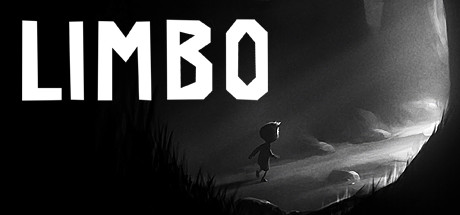
- Immersive, oppressive black-and-white art style
- Engaging and addictive core gameplay
- Trial-and-error mechanics dominate gameplay
- Frustrating late-game puzzles and difficulty
- Lack of guidance and unclear mechanics
Emotions
What players like:
Common complaints:
Gameplay feedback:
Performance notes:
Recommendations:
Other player notes:
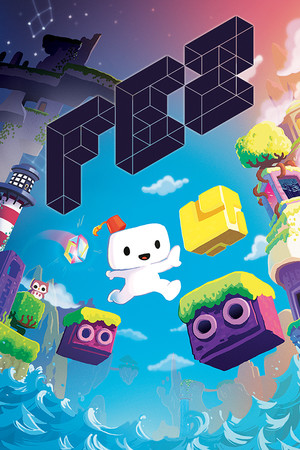
Similar games
Blend with other games








Review evidence
Why players say this
Review evidence
Why players say this
What players like
Exceptional puzzle design praised: Players consistently highlight the game's puzzles as clever, well-balanced, and engaging. The puzzles require logical thinking, physics-based experimentation, and progressive difficulty, making them satisfying to solve.
Immersive and oppressive atmosphere: The game's atmosphere is frequently described as haunting, melancholic, and immersive. The combination of visuals, sound design, and storytelling creates a unique and memorable experience.
Unique black-and-white art style: The monochrome visuals are widely praised for creating a stark, atmospheric, and immersive experience. The minimalist aesthetic enhances the game's dark and oppressive mood while being visually striking.
Engaging and addictive gameplay: The gameplay is described as fluid, intuitive, and addictive, with precise controls and a seamless blend of platforming and puzzle-solving. The trial-and-error mechanics encourage experimentation and learning.
Good value for money: Players frequently mention the game's affordability, especially when purchased on sale. The experience is considered well worth the price due to its quality and replayability.
Common complaints
Trial-and-error mechanics dominate: Many puzzles rely on repetitive trial-and-error, particularly in later levels, which feels illogical and tedious. This design choice frustrates players who prefer thoughtful problem-solving over brute-force attempts.
Frustrating late-game puzzles: Players report that puzzles in the later stages become overly difficult, counterintuitive, and require precise timing or walkthroughs. This leads to frustration and a sense of unfairness, especially for those not adept at puzzle games.
Lack of guidance and unclear mechanics: Players struggle with unclear puzzle solutions, ambiguous storytelling, and a lack of tutorials or hints. This ambiguity extends to mechanics, making progression difficult without external guides.
Excessive deaths and punishing difficulty: Frequent deaths, long respawn times, and punishing difficulty spikes create a frustrating experience. Some players feel the game is unnecessarily brutal, especially when aiming for achievements or completing hidden levels.
Unresponsive and clunky controls: Controls are frequently described as stiff, unresponsive, or awkward, particularly for platforming sections. This issue exacerbates frustration during precision-based challenges or timing-sensitive puzzles.
Gameplay and performance
Puzzle-platformer core gameplay: The game is primarily a puzzle-platformer with trial-and-error mechanics, physics-based puzzles, and escalating difficulty. Players engage in running, jumping, and solving environmental puzzles that require observation, timing, and experimentation.
High difficulty and trial-and-error: The game is known for its punishing difficulty, frequent deaths, and trial-and-error mechanics. Players must learn through failure, with later levels introducing extreme timing and precision requirements.
Minimalist narrative and controls: The game features no dialogue, text, or explicit narrative, relying instead on gameplay mechanics and player interpretation. Controls are minimalist, focusing on movement, jumping, and object interaction.
Hidden secrets and achievements: The game includes hidden levels, Easter eggs, and achievements that reward exploration. Some hidden levels are particularly difficult and rely on sound-based mechanics or minimal visibility.
Environmental and physics-based interactions: Players interact with the environment through pushing boxes, pressing buttons, and manipulating physics-based elements like gravity and inertia. These mechanics are central to puzzle-solving.
FPS cap causes issues: Players report that the game is locked to 60 FPS, which can cause freezes or glitches, particularly near the end of the game. Lower FPS settings may exacerbate these problems.
Controller and input lag: Players experience lag and glitches related to controller vibration and input responsiveness, particularly with keyboard controls. Some issues can be resolved via config file adjustments.
Resolution limitations: The game defaults to 720p resolution and lacks native settings for lower resolutions. Players must manually edit configuration files to adjust resolution.
System compatibility quirks: The game disables Windows Night Light and may require specific NVIDIA settings (e.g., vertical sync) to avoid performance issues.
Game crashes and freezes: Frequent crashes and freezing occur, especially during cutscenes on Windows 10. A common workaround is running the game in Windows 7 compatibility mode.
Recommendations
Artistic puzzle-platformer gem: The game is widely praised for its dark, atmospheric, and artistic design, making it a must-play for fans of immersive puzzle-platformers. Its unique mood and creative gameplay are highlighted as standout features.
Emotional and thought-provoking: The game is celebrated for its powerful themes, such as depression and personal struggles, as well as its ability to evoke strong emotions through its atmosphere and storytelling.
Highly recommended despite flaws: Reviewers consistently recommend the game, often emphasizing its overall quality and unique experience, even if they acknowledge minor flaws or limitations in controls/narrative.
Best purchased on sale: While the game is considered worth the price, many reviewers suggest buying it during sales to maximize value, especially given its short length or niche appeal.
Challenging for specific audiences: The game is recommended primarily for players who enjoy high-difficulty puzzles, platforming challenges, or intellectual stimulation. It may frustrate those seeking clear narratives or precise controls.
Other review notes
Ambiguous, philosophical storytelling: The narrative is open to interpretation, encouraging players to explore existential and religious themes. Multiple theories about the story exist, but none are confirmed, adding depth to the experience.
Encourages exploration and theories: The game fosters interpretative storytelling and experimentation, with hidden levels (e.g., HOTEI and TO HELL) rewarding players who engage deeply with its world and lore.
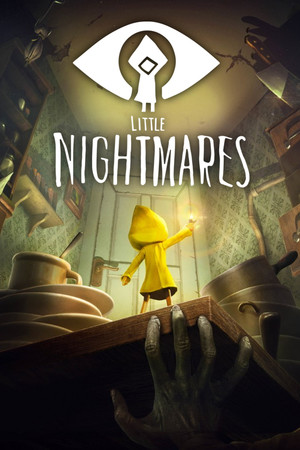
Influence and legacy: The game is recognized as a predecessor to titles like *Inside* and *Little Nightmares*, with its development story highlighting the effort behind its animation and character design (e.g., the 'Nameless Boy' protagonist).
Stylized violence and taboo themes: Violence is presented in a stylized manner (e.g., silhouettes without red blood), but the game also tackles taboo topics like child death, which sparks discussion among players.
Atmosphere of despair and suffocation: The game's setting and tone evoke feelings of despair and suffocation, reinforced by its visual and auditory design. This emotional weight is a recurring theme in player feedback.