- Rewarding and deep layered puzzle mechanics
- Emotionally impactful storytelling with high replay value
- Exceptional pixel art and soundtrack enhance experience
- Extreme difficulty frustrates many players
- Repetitive backtracking wastes player time
- Puzzles often require external help or guides

Emotions
What players like:
Common complaints:
Gameplay feedback:
Performance notes:
Recommendations:
Other player notes:
Similar games
Blend with other games


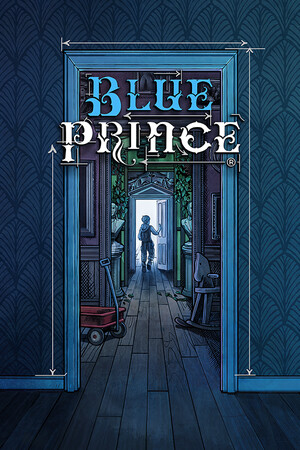


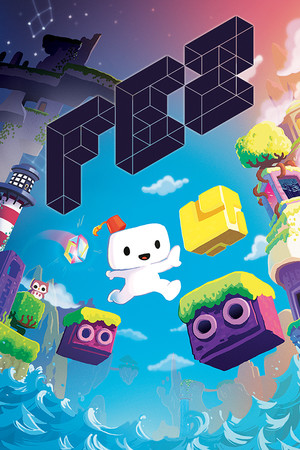


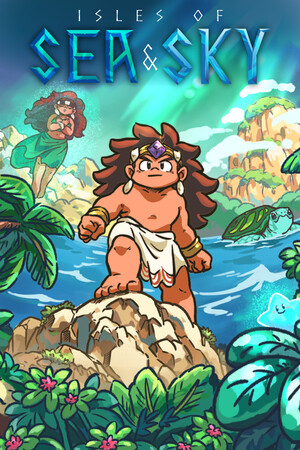

Review evidence
Why players say this
Review evidence
Why players say this
What players like
Rewarding puzzle mechanics: Puzzles are well-designed, challenging, and evolve into meta-puzzles that reward creative problem-solving. Players highlight the 'aha!' moments and progressive difficulty as standout features.
Deep and layered storytelling: The game features a rich, multi-layered narrative with emotional depth, secrets, and replayable story routes. Players consistently praise its intricate storytelling and character development.
High replay value and secrets: The game encourages multiple playthroughs to uncover hidden lore, endings, and secrets. Players describe an addictive sense of discovery and depth beyond the surface.
Emotionally impactful experience: Players describe profound emotional moments, catharsis, and a transformative impact on their view of games as an art form. The story and gameplay create a deeply personal connection.
Encourages active engagement: The game demands note-taking, experimentation, and persistence, rewarding players who invest time in uncovering its secrets and mechanics.
Common complaints
Extreme difficulty frustrates players: The game is intentionally punishing, with steep difficulty spikes, obtuse puzzles, and a lack of hand-holding. Many players report frustration, mental exhaustion, and even quitting due to its unforgiving design.
Repetitive backtracking wastes time: The game forces excessive backtracking through the same rooms, often requiring players to redo hours of progress for missed items or mistakes. This is compounded by one-way design and lack of quality-of-life features.
Puzzles require external help: Many puzzles are cryptic, counter-intuitive, or require leaps in logic that players find impossible without guides. Late-game puzzles and secrets are particularly notorious for this.
Progress loss from mistakes: Small errors or misinputs can delete hours of progress, with no safeguards against accidental actions. This punishing mechanic is a major pain point for players.
Sokoban mechanics divide players: The game’s reliance on Sokoban-style block-pushing puzzles is polarizing. Players who dislike this mechanic find the early game particularly tedious or frustrating.
Gameplay and performance
Deep layered puzzle design: The game features intricate, multi-layered puzzles that evolve in complexity, often requiring lateral thinking, memorization, and external resources. Players highlight meta-puzzles and interconnected mechanics as core elements.
Sokoban-style block mechanics: A significant portion of the gameplay revolves around Sokoban-inspired block-pushing or tile-swapping puzzles, often integrated with narrative or meta-layers. These mechanics are frequently cited as foundational to the experience.
Gradual difficulty escalation: Puzzles start simple but ramp up in difficulty, often requiring external help or creative problem-solving for late-game challenges. Hard modes and secret levels amplify this progression.
Secrets drive progression: Secrets and hidden lore are central to gameplay, requiring exploration, note-taking, and replayability to uncover. These elements are deeply intertwined with story progression and puzzle-solving.
Narrative and puzzles intertwined: Storytelling is fragmented and revealed through puzzle-solving, exploration, and replaying levels with new knowledge. The narrative structure is non-linear and often requires piecing together clues.
Frequent game crashes: The game unexpectedly quits and requires reloading, interrupting gameplay and frustrating players. This issue appears to be a recurring technical problem.
Steam client malfunctions: Players report issues with Steam's built-in features, particularly screenshot functionality breaking during gameplay. This disrupts the ability to capture in-game moments seamlessly.
Recommendations
Use guides as last resort: While the game is difficult, players suggest using guides, walkthroughs, or community resources only when absolutely necessary. Over-reliance on guides can spoil the experience of discovery and problem-solving.
Highly recommended for puzzle fans: The game is repeatedly recommended for players who enjoy challenging puzzles, deep narratives, and exploration. It is praised for its high production value and unique experience, making it a must-play for puzzle enthusiasts.
Play with friends for hints: The game can be more enjoyable when played with friends or others who have experience with it. Collaborative problem-solving and hint-sharing can enhance the experience.
Not for casual puzzle fans: The game is not suitable for players who prefer chill or casual puzzle experiences. It is designed for those who enjoy high-effort, challenging, and knowledge-based gameplay.
Best played blind for impact: Players emphasize that the game is best experienced with minimal prior knowledge or spoilers. Going in blind enhances the discovery and surprise elements, which are core to the game's appeal.
Other review notes
Comparisons to indie classics: Frequent comparisons to games like *Deltarune*, *Hades*, *Outer Wilds*, and *Tunic* reflect the game's thematic or mechanical similarities to beloved indie titles.
Player strategies for progression: Players frequently recommend using external guides, taking breaks, or drawing notes to solve puzzles. This advice highlights the game's challenging nature and the need for supplementary tools.
Screenshot-heavy engagement: Players take 100+ screenshots due to the importance of visual details, though some report bugs with the screenshot functionality.
Spoiler-sensitive review structure: Reviewers integrate spoiler warnings and tag specific mechanics or levels, demonstrating care for preserving the game's mysteries for new players.
Discovery via content creators: The game's visibility was significantly boosted by YouTube video essays and creators like Super Eyepatch Wolf, highlighting the role of external promotion in its success.