- Addictive core gameplay loop
- Lacks long-term engagement and progression
- Charming pixel art visual style
- Fast-paced endless auto-scrolling gameplay
- Weak power-ups, poor roguelike design
- Confusing UI, poor information delivery
Emotions
What players like:
Common complaints:
Gameplay feedback:
Performance notes:
Recommendations:
Other player notes:
Similar games
Blend with other games




Review evidence
Why players say this
Review evidence
Why players say this
What players like
Addictive Core Gameplay Loop: Players find the game's core loop, with its fast-paced combat and progression, highly engaging and addictive, often leading to extended play sessions. It's praised for being easy to pick up yet offering surprising depth, a constant 'just one more run' appeal, and suitability for both short and long play sessions. The hybrid design of gaining gold and growing stronger further enhances this satisfying loop.
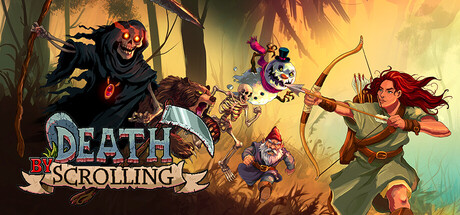
Charming Pixel Art Visuals: Players highly appreciate the game's cute and charming pixel art style, finding it visually solid and appealing. The aesthetic contributes to an irresistibly charming world, making the experience more enjoyable. The graphics are considered suitable and a strong point.
Deep Strategic Build Variety: The game offers significant strategic depth through a wide range of abilities, upgrades, and items, encouraging experimentation with diverse builds. Players enjoy the impact of buffs after each level, collecting gems for new combos, and the availability of meta unlocks and permanent progression. This ensures each session feels fresh and different.
Solid Performance & Value: The game is praised for its excellent technical performance, running well on various systems including the Steam Deck, and is noted for having no crashes. Players feel it offers great value for its low price, making it a reliable and accessible experience.
Humorous Dialogue & Gags: The game's humor, including dark gags, witty dialogue, and various references (notably Ron Gilbert's signature style), is a significant highlight for players. It gives the game a quirky vibe and makes the writing genuinely funny. Players enjoy the overall comedic tone.
Common complaints
Gameplay lacks engagement and progression: Players found the game quickly becomes boring and repetitive, often within the first hour of play. This is exacerbated by slow progression, a lack of narrative, and unsatisfying combat that feels secondary to movement. The overall experience often feels like a "walking simulator" with limited impact or meaningful advancement.
Weak power-ups and poor roguelike design: The selection of buffs is limited and uninspired, often forcing players to pick the "least worst" option. Roguelike mechanics are poorly implemented, leading to frustrating RNG deaths and a lack of powerful, meaningful upgrades. Item and weapon drops are too sparse, and power-ups feel weak or have too few charges to be engaging.
Confusing UI and poor information delivery: The game suffers from cluttered UI elements, such as repetitive damage numbers. Players struggle to read card descriptions due to fast screen scrolling, and similar card visuals make differentiation difficult. The tutorial is overwhelming, and crucial information, like gold values, is poorly communicated. Fast screen scrolling can also lead to quest items being lost.
Minor enemy and movement glitches: Players encountered issues with enemy AI, such as the Reaper getting stuck or moving unpredictably, and other enemies moving excessively fast. There were also instances of the player character getting stuck on environmental textures, and some starting tasks felt counter-intuitive by requiring intentional self-damage.
Sub-optimal Steam Deck performance: While reporting acceptable frame rates (50-60fps) on the Steam Deck OLED, players noted that the game does not feel smooth. This suggests potential issues with frame pacing or other factors affecting perceived performance.
Gameplay and performance
Fast-paced endless auto-scroller: The game features relentless upward scrolling through procedural levels populated with endless enemies. Players are forced to maintain rhythm and dynamically adapt their strategies as weapons and abilities have limited lifespans, all while their character fights automatically. The core loop involves runs to camps for power-ups and quests, reminiscent of classic arcade titles.
Permanent meta-progression via gems: Gems are crucial for meta-progression, allowing players to unlock permanent power-up cards such as double quest rewards or faster running. These gems persist across runs, even after death. Gold is also collected during runs, influencing high scores and contributing to the story goal of reaching the afterlife.
Diverse characters with unique upgrades: There are approximately 5-6 unlockable characters, each possessing unique abilities that influence the power-ups distributed across the map. Different characters may require specific upgrade paths, and some character choices can conflict with completing daily challenges. The game features around 70 available upgrades.
Early player progress metrics: Players report varied initial progress, reaching levels 5-7 in early runs and collecting specific amounts of gold (e.g., 2500 per run) and shards (e.g., 16 in two 20-minute runs). Some also track their high scores and global rankings, with one player achieving rank 300.
Affordable short play sessions: The game is budget-friendly, costing less than $10 USD. Its design also supports short, casual play sessions, making it suitable for quick 30-minute bursts.
Excellent performance and stability: Players consistently report that the game runs smoothly across various hardware configurations, including the Steam Deck and at higher resolutions when docked. Furthermore, the game is noted for its lack of crashes, indicating high stability.
Minor bugs require attention: While generally stable, players have noted the game could benefit from further polishing and tweaking in certain areas. A specific bug mentioned involves characters stopping movement while still playing walking sounds when conflicting directional keys are pressed simultaneously.
Recommendations
Many players do not recommend.: A significant portion of players expressed general dissatisfaction, indicating they would not recommend the game, didn't enjoy it, or even sought refunds. Some felt no urge to continue playing, suggesting a lack of engaging content or replayability.
Enjoyable for a dedicated audience.: A strong group of players found the game highly enjoyable, rating it positively and expressing a desire to continue playing. They praised its value for money and indicated it's a 'must-buy' for those it resonates with.
Players await future updates.: Some players are currently holding back on deeper engagement or purchase, expressing an intent to 'keep an eye on the game.' They anticipate potential future updates or improvements might enhance their experience or prompt re-engagement.
Developer's genre choice criticized.: One player expressed a sentiment that the developer should focus on point-and-click games, implying dissatisfaction with the current genre choice. This feedback is subjective and less about specific gameplay mechanics.
Other review notes
Appreciates Ron Gilbert's work: Players recognize and appreciate Ron Gilbert's reputation as a game developer, acknowledging his involvement. There's also an acceptance that not all his games need to align with his classic adventure game style.
Prevent achievement system abuse: Players noted instances of abusing the achievement system, specifically for 'complete 100 dailies,' and suggest implementing measures to prevent such exploits. This indicates a potential integrity issue with game progression rewards.
Similar to Vampire Survivors: The game's style and mechanics were compared to 'Vampire Survivors,' which can help define its genre and appeal to players looking for similar experiences. This comparison might set player expectations and highlight successful design elements.
Simple design is acceptable: One player expressed the sentiment that not every game needs to be deep. This indicates a segment of the audience appreciates simpler, potentially more casual, game experiences.