- Strong Lovecraftian horror atmosphere
- Multiple endings boost replayability
- Papers, Please inspired mechanics
- Repetitive gameplay becomes tedious
- Game is overly drawn out
- Poor Chinese localization
Emotions
Archetypes
Hardware
What players like:
Common complaints:
Gameplay feedback:
Performance notes:
Recommendations:
Other player notes:
Similar games
Blend with other games




Review evidence
Why players say this
Review evidence
Why players say this
Steam review verdict
Its Lovecraftian atmosphere, multiple endings, and Papers, Please-style mechanics impress, but repetitive, overly long gameplay and poor Chinese localization drag it down.
What players like
Strong Lovecraftian horror atmosphere: The game successfully captures a classic Lovecraftian atmosphere, with effective cosmic horror and a tense, eerie mood. Many reviewers praise it as one of the best Lovecraftian games.
Multiple endings boost replayability: Players highly value the numerous endings and branching paths that result from their decisions. This creates strong replay value and makes choices feel meaningful.
Papers, Please inspired mechanics: The gameplay borrows inspection and paperwork mechanics from Papers, Please, which are well-received. This mix is often combined with Lovecraftian themes and other inspirations.
Choices significantly impact narrative: Player decisions have clear and immediate consequences on the story, character relationships, and world events. This makes the narrative feel responsive and rewarding.
Appealing retro visual style: The game's stylized visuals, often described as retro or dark, are widely praised for being beautiful and unique. The art direction contributes to the overall atmosphere.
Common complaints
Repetitive gameplay becomes tedious: Many players report that the core loop is repetitive and becomes tedious after a few hours, with routine actions and a lack of variety making nights drag on. This is the most common complaint, affecting long-term enjoyment and replayability.
Game is overly drawn out: Players feel the game is stretched too thin, with the 15-day structure feeling excessive and the pacing dragging, especially in the later nights. Many suggest that a shorter duration (e.g., 7 days) would be better.
Chinese localization is poor: The Chinese localization is widely criticized as machine-translated, inconsistent, and full of forced memes that ruin immersion. Both Simplified and Traditional translations are reported to be of low quality and unnatural.
Bugs and glitches harm experience: Various bugs and glitches are reported, including crashes, progression issues, and mechanics not working correctly. These issues often require restarting the game or day, which is frustrating due to limited saves.
Unclear instructions and mechanics: The game fails to explain its mechanics and rules clearly, leaving players confused about how to play and what the game wants to be. This lack of clarity contributes to frustration.
Gameplay and performance
Choices Affect Story and Endings: The game offers a choice-driven narrative where player decisions significantly influence the plot, character fates, and multiple endings. Branching storylines and dialogue options determine how events unfold.
Dialogue Choices and Character Interaction: There is a dialogue system with choices when interacting with characters. These conversations can affect story branches and the fates of characters.
Lighthouse Keeper Role and Duties: Players assume the role of a lighthouse keeper, managing the lighthouse, guiding ships, and dealing with various malfunctions. The job includes maintaining equipment and responding to ships.
Papers, Please Style Gameplay: Core gameplay involves document inspection and paperwork similar to 'Papers, Please', often with a Lovecraftian twist. Players check documents and make decisions based on discrepancies.
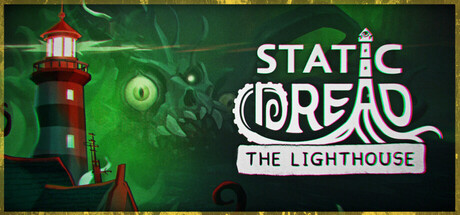
Lovecraftian Horror Atmosphere: The game features a strong Lovecraftian and cosmic horror theme, with atmospheric elements and references to Cthulhu. It creates a creepy, unsettling environment.
Performance Problems on PC: Players experience severe optimization issues such as low FPS, stuttering, and high system resource demands. These problems can cause loud fan noise and detract from the experience.
Crashes Hinder Gameplay: The game crashes frequently, including during random actions and dialogue, sometimes requiring a full restart. Some players report daily crashes, making the experience frustrating.
Game Freezes and Restarts: Bugs can cause the game to freeze or require restarting, often losing progress for the current day. This includes freezes from specific bugs and general instability.
Persistent Visual Glitches: Visual bugs such as VHS effects not disappearing, screen stripes after resurrection, and object movement issues persist until the game is restarted. These glitches disrupt immersion.
Audio Bugs and Confusion: Audio issues include confusing sound during a soldier segment, background noise looping indefinitely, and a loud droning noise that never stops. These bugs require restarts to fix.
Recommendations
Ideal for Lovecraft fans: Many reviewers strongly recommend the game to fans of Lovecraft and cosmic horror. The Lovecraftian atmosphere and themes are central to the appeal.
Strong overall recommendation: Many reviewers give enthusiastic recommendations, calling the game a masterpiece and a must-play. The positive sentiment is widespread and emphatic.
Appeals to Papers Please fans: Reviewers frequently compare the gameplay to Papers, Please and recommend it to fans of that style. The combination of document-checking mechanics with horror is a key draw.
Good value for money: Reviewers often mention the low price and high value, calling it a lot of game for the price. It is seen as an affordable and worthwhile purchase.
Recommended with caveats: Some reviewers recommend the game but with reservations, such as tolerating flaws or leaning towards recommending. The endorsement is not unconditional.
Buying context
Community fair range: $10.00 - $20.00.
Game completion: 8.5h.
Story completion: 8.0h.
Session length: 8.0h.
Endgame: 36.0h.
Static Dread opens strong with atmosphere, story, and novel bureaucratic tasks, but for many players the loop turns repetitive and tedious as the nights progress, especially in the later chapters. A minority still find it engaging throughout, while others report a slow onboarding that eases them in before the repetitive late-game drop.
Friction: Slow, bureaucratic onboarding and information tracking; Repetitive paperwork, ship-checking, and night loop; Slow pacing and tedium at times; Limited and repetitive horror rather than sustained scares; Bugs such as stuck fishing and inconsistent dialogue click spacing; Boring text and hard-to-track, similar characters.
Player profiles
Lovecraftian Atmosphere Devotee: Plays for atmosphere and unsettling storytelling, often accepting puzzle or simulation tasks to reach horror payoffs. Motivation: Immersing in Lovecraftian cosmic horror and eerie nautical dread. Stance: buy.
Papers, Please Bureaucracy Sim Fan: Methodically handles night-shift tasks, follows rules, checks paperwork, and manages resources while horror interrupts. Motivation: Enjoying a document-checking and job-simulation loop wrapped in horror. Stance: buy.
Story-Driven Branching Narrative Explorer: Makes snap narrative decisions, explores branches, and replays to uncover different endings. Motivation: Seeing the story and characters unfold through choices and multiple endings. Stance: buy.
Platform notes
The provided Windows cohorts are generally positive, with the <8GB VRAM cohort showing a recommended report that notes engine-side stuttering as a caveat and the 12-15GB VRAM cohort showing no reported performance issues.
Windows <8GB VRAM: positive. A recommended report notes engine-side stuttering and stutter-walking despite acceptable visual performance, but the cohort has no non-recommended snippets.
Windows 12-15GB VRAM: positive. A recommended report contains no performance complaints and focuses instead on gameplay mechanics.
Other review notes
Comparison to Papers, Please: Many reviewers compare the game's mechanics to Papers, Please, noting similarities in gameplay style while highlighting unique variations. It is frequently cited as a distinct take on the document-checking genre.
Lovecraftian meets Papers, Please: The game is often described as a Lovecraftian version of Papers, Please, blending bureaucratic gameplay with cosmic horror elements. Reviewers frequently mention Cthulhu and Lovecraftian themes.
Multiple endings and replay value: The game features multiple endings, branching dialogue, and achievements, encouraging multiple playthroughs. Some endings are noted to be similar, but choices lead to different outcomes.
Chinese localization issues: The Chinese localization is criticized for poor quality, with machine translation breaking immersion. However, some note that the Simplified Chinese version is human-translated while Traditional Chinese is machine-translated.
References to No, I'm not a Human: Reviewers note similarities and direct references to the game 'No, I'm not a Human' in mechanics, visuals, and atmosphere. It is often mentioned alongside Papers, Please as a comparison.