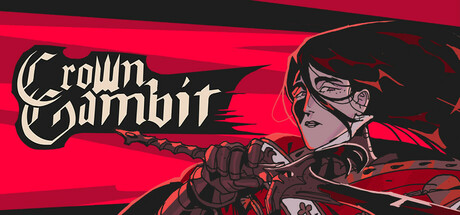
- Stunning art style and visuals
- Choices genuinely impact narrative
- High replayability through branching paths
- Repetitive combat encounters frustrate players
- Frequent crashes after battles
- Game too easy on normal
Emotions
Archetypes
What players like:
Common complaints:
Gameplay feedback:
Performance notes:
Recommendations:
Other player notes:
Similar games
Blend with other games




Review evidence
Why players say this
Review evidence
Why players say this
Steam review verdict
Stunning art and branching choices that truly shape the story make replays rewarding, but repetitive combat, frequent post-battle crashes, and an overly easy normal mode drag it down.
What players like
Stunning art style and visuals: Players consistently praise the beautiful, cohesive art style and unique graphical presentation across clusters 1, 2, and 6.
Choices genuinely impact narrative: Feedback highlights that player decisions have real consequences and meaningfully shape the story, appearing across clusters 3 and 17.
High replayability through branching paths: Multiple endings and branching storylines encourage repeated playthroughs, with new content and different decisions each run.
Engaging and well-written story: Reviewers find the narrative immersive, interesting, and better than expected, with praise for its complexity and pacing.
Fun and solid core gameplay: The core gameplay loop is described as enjoyable, compelling, and worth playing through, with many calling it simply fun.
Common complaints
Repetitive combat encounters: Multiple players find the combat repetitive, with fights following the same pattern and becoming tedious quickly. This issue is frequently mentioned and significantly impacts enjoyment.
Excessive battles in final act: The final section of the game has too many consecutive battles with little story progression, making the ending feel drawn-out and tiring.
Bland and average story: The story is described as bland, average, or banal, lacking depth and not reaching masterpiece level. Some also note it falls off toward the end.
Weak and boring gameplay: Gameplay is described as weak, somewhat boring, and mediocre, with the parts around fights not being enjoyable.
Flat character development: Characters feel flat and cardboard-like, with no identifiable developmental arcs. This lack of depth is noted by several reviewers.
Gameplay and performance
Choice-driven branching narrative: The story is strongly choice-driven, with branching paths, multiple endings, and decisions that affect outcomes. Reviewers emphasize a choose-your-own-adventure structure where player decisions shape the narrative.
Card-based combat core: Players repeatedly describe the game as built around card-based combat, with deck customization through gaining and removing cards. Combat is turn-based and tactical, with cards governing actions such as moving, attacking, and casting skills.
Meaningful choices and consequences: Multiple clusters highlight that choices truly matter and have a real impact on events and final outcomes. Decisions are described as consequential rather than cosmetic, influencing story direction and endings.
Multiple endings and routes: Reviewers mention multiple story paths, branching routes, and multiple endings based on choices. Some note distinct protagonist routes that add structural variety to the narrative.
Turn-based tactical card battles: Combat is described as turn-based tactical card combat, sometimes managing three characters and three decks simultaneously. Players plan turns using action points and card synergies.
Frequent crashes after battles: Many players report the game crashing after finishing a fight or boss battle, often causing lost progress if not saved. This issue appears across platforms including Steam Deck and Mac.
Random crashes during gameplay: Players experience random crashes throughout play sessions, both in and out of combat. The crashes occur unpredictably and affect overall stability.
Crashes during combat and battles: Crashes frequently happen during battles, especially when using relics or triggering certain effects. Some crashes are severe enough to block progress and require restarting.
Crashes on Steam Deck: Random crashes occur on Steam Deck after every battle, though some users report it runs well otherwise. The crashes significantly impact the experience.
Poor optimization and lag: The game suffers from poor optimization, causing lag especially from card animations and effects. Low-end computers struggle to run it smoothly.
Recommendations
Overwhelmingly positive recommendation: The vast majority of reviewers strongly recommend the game, with many calling it a must-play or one of the best in years. This positive sentiment spans general recommendations and enthusiastic endorsements.
Strong dark fantasy narrative: The game is highly praised for its dark fantasy setting, political intrigue, worldbuilding, and cosmic horror elements. Fans of story-driven games with deep lore are especially encouraged to play.
Appeals to card game fans: Reviewers repeatedly recommend the game to players who enjoy card games, deckbuilders, and tactical card combat. Those who dislike card games are warned it may be less enjoyable.
Worth full price and sale: Many reviewers consider the game worth its full price and even more so on sale. Its reasonable price point and overall value are frequently highlighted.
Technical issues and crashes: Several reviewers report crashes, especially on Mac, and recommend saving often. Some cannot recommend the game in its current technical state or advise buying at your own risk.
Buying context
Community fair range: $15.00 - $30.00.
Game completion: 15.0h.
Story completion: 15.0h.
Players often have fun in the first hour, but reports frequently describe the fun fading as combat and card play become repetitive and late-game pacing drags.
Friction: Lore dump and uneven pacing at the start; Combat and card play feel basic early; Limited early card-deck creativity; Repetitive battles; Occasional crashes; Repeated music.
Unlock drivers: Lore dump lessens after one or two hours and pacing improves, making the game easier to follow; Combat picks up quickly in complexity and strategy after a basic start; A good learning curve supports challenge.
Player profiles
Story-Driven Completionist: Replays multiple times to roleplay different choices, explore all heirs' routes, and hunt achievements. Motivation: To experience the full narrative, see every ending, and complete all achievements. Stance: buy.
Card/Strategy Combat Veteran: Optimizes card and party synergies, fights battles, and tunes difficulty for more challenge. Motivation: Tactical combat, deckbuilding synergies, and a satisfying challenge. Stance: buy.
Art/Aesthetic-Driven Casual Player: Casual single playthrough, appreciating art and concept without deep mechanical replay. Motivation: Aesthetic appreciation and relaxed, casual entertainment. Stance: buy.
Other review notes
Short 10 to 12 hour campaign: Most reviewers report completing a single playthrough in roughly 10 to 12 hours. Some players report 15 to 25 hours, and one notes 5 to 8 hours depending on reading speed.
Comparisons to Sovereign Tower: Frequent comparisons are drawn to the developer's other game Sovereign Tower, with some players discovering this title through it. Opinions differ, with some considering Crown Gambit better despite being less polished, and others noting it is a very different but similarly addictive game.
Artbook available and recommended: A physical artbook exists and is recommended by reviewers, featuring 120 pages of lore, worldbuilding, character insight, and development notes. The art is drawn by human artist Gobert.
Card game compared to Slay the Spire: Reviewers compare the card gameplay to Slay the Spire, Inscryption, Gwent, and Thronebreaker. Some describe it as more akin to Into the Breach, while others find it easier than Slay the Spire's ascensions.
Excitement for developer's next game: Several reviewers express enthusiasm for Sovereign Tower and future titles from Wild Wits. One hopes for a kingdom sim game set in the same world, and another wants a sequel with more fleshed-out writing.