- Creative hybrid of genres
- Strong atmosphere and presentation
- Charismatic and immersive dealer
- Fun and addictive gameplay
- Poor camera and controls
- Heavy RNG dependency
Emotions
Archetypes
What players like:
Common complaints:
Gameplay feedback:
Performance notes:
Recommendations:
Other player notes:
Similar games
Blend with other games




Review evidence
Why players say this
Review evidence
Why players say this
Steam review verdict
A creative genre hybrid with strong atmosphere, charismatic dealer, and addictive fun, though poor camera and controls plus heavy RNG dependence hold it back.
What players like
Creative Hybrid of Genres: The unique mix of card game, roguelike, action RPG, and board game elements is praised for its creativity and rarity. This fusion of mechanics and storytelling works beautifully.
Strong Atmosphere and Presentation: The dark, mysterious atmosphere, flickering candles, and floating cards create a strong sense of presence. The graphics, music, and sound design are consistently praised.
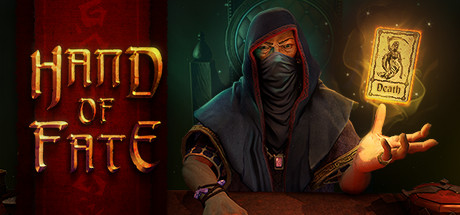
Charismatic and Immersive Dealer: The Dealer character is widely praised for his witty commentary, lively emotions, and excellent voice acting. His presence creates strong immersion and a theatrical, tense atmosphere.
Fun and Addictive Gameplay: Many reviewers describe the game as fun, challenging, and highly addictive. The core loop keeps players engaged and provides a sense of happiness and satisfaction.
Simple but Fun Combat: Combat is described as simple yet quite fun, with a satisfying Arkham-style rhythm. It strikes a sweet spot between easy and hard, remaining engaging throughout.
Common complaints
Poor camera and controls: The fixed camera and lack of camera control are major annoyances, making it hard to see enemies, telegraphs, and traps, especially during combat. Controls are also criticized for being clunky, delayed, and inconsistent, with targeting issues and accidental misclicks.
Clunky unpolished combat: Combat is widely described as clunky, slow, and lacking depth, with many players finding it unpolished and frustrating. The button-mashy, repetitive nature and poor animation flow further diminish the experience.
Final boss overly difficult: The final boss, especially the Dealer, is frequently cited as unfairly hard, with brutal difficulty spikes and gauntlet-style fights against previous bosses. Many reviewers found it nearly impossible even on lower difficulties, and some considered it the worst part of the game.
Heavy RNG dependency: Randomness plays an outsized role in runs, from card draws and event outcomes to enemy encounters, often feeling unfair and casino-like. Save-scumming frequently fails to mitigate bad luck, making success feel determined by chance rather than skill.
Repetitive gameplay loop: Players report that fights, monsters, and events become highly repetitive, with the same encounters repeating quickly and the overall loop feeling grindy. Endless mode and the story structure contribute to a sense of doing the same thing over and over.
Gameplay and performance
Roguelike deckbuilder core structure: The game is fundamentally a roguelike deck-building adventure. This structure defines progression, card acquisition, and run-based gameplay.
Combat is central and action-oriented: Combat encounters are a major component with controllable, visually concrete action. The game includes battle segments framed as card-player duels with brawling layered with card effects.
Card game blended with real-time combat: Players repeatedly describe a hybrid where drawn cards trigger events while combat unfolds in real time. This fusion of card strategy and action is a defining characteristic.
Deckbuilding involves player customization: Deckbuilding is a core aspect where players customize their deck, often picking two decks (equipment and events) before a run. Card combinations and interconnected cards add strategic depth.
Final boss is a gauntlet: The final boss fight is a consecutive gauntlet against all earlier bosses, often in groups. This boss rush serves as the climax of the dealer boss battle.
Extreme GPU temperatures at high load: Under maximum settings, the GPU reaches 94°C even with fans at 95% speed and maximum wattage. This indicates severe thermal stress and poor optimization for high-end hardware.
Game speed tied to FPS: Game speed and difficulty scale with frame rate, meaning performance variations affect gameplay balance. This can create inconsistent experiences across different hardware.
Controls have delay and lag: Players report noticeable input delay and lag when controlling the game, which hampers responsiveness. This issue directly affects gameplay feel and precision.
Uncapped GPU usage occurs silently: The game can max out the GPU without any in-game warning or indication, leaving players unaware of the heavy load. This can lead to performance issues and hardware strain.
Stable performance with no crashes: The game ran stably without crashes or game-breaking bugs, providing a reliable experience. This positive aspect contrasts with other technical concerns.
Recommendations
Positive general recommendation: Many reviewers recommend the game positively overall and consider it worth purchasing, though a few still mark it as recommended even when their tone is mixed.
Targeted audience recommendations: Reviewers recommend the game for specific tastes such as dark fantasy atmosphere, deckbuilders, board games, roguelikes, and card-based arena battles.
Wait for a sale: Multiple reviewers recommend buying only on discount, in a bundle, or at a lower price, and some find it hard to justify at full price.
Avoid or refund warning: Several reviewers strongly advise against buying or playing the game, with one saying they would have refunded it if possible.
Sequel preferred over original: Reviewers often compare this game with its sequel and advise playing or buying the second game instead, while some still say to play both or play the first before the second.
Buying context
Community fair range: $5.00 - $15.00.
Game completion: 27.0h.
Story completion: 17.0h.
Session length: 2.0h.
Endgame: 10.0h.
Players often get hooked at the start by the dealer, deck-building, narrator, and encounter loop, but repetition, RNG, and late difficulty spikes make the fun fade.
Friction: sluggish pacing in the first half; repetitive button-mash combat; massive RNG and crippling curses; repetitive fights, monsters, and items; not enough distinct events.
Player profiles
Tactical Deck-Building Board-Game Fan: Constructs a card deck, chooses routes and events, and fights in Arkham-style action combat. Motivation: Building and tuning a deck while moving through tactical board-game scenarios. Stance: buy.
Achievement-Hunting Completionist: Replays scenarios, follows build-specific goals, and pursues unlock and achievement checklists. Motivation: Completing achievements and fully finishing the game's content. Stance: sale.
Stressed Hardcore Player Seeking Relaxing Challenge: Plays through board-game scenarios and action combat at a relaxed pace. Motivation: Unwinding after stressful work with a challenging but fair tactical game. Stance: buy.
Other review notes
Sequel considered superior: Many reviewers compare the game to its sequel and state that the sequel is the same but better. The sequel is preferred by multiple reviewers, and some describe the first game as a prototype for the second.
Sequel and studio status: A sequel exists that changed developer and publisher. The studio has shut down, and a new game in the same universe, Hordes of Fate: A Hand of Fate Adventure, is in development by some original developers.
Endless mode and DLC content: An endless mode is available, and DLC such as Wildcards expands gameplay options with new content and mechanics. A commander character is the last available without buying DLC.
Combat similar to Batman Arkham: Reviewers frequently compare the combat system to the Batman: Arkham series. Some find the combination of card roguelike and Arkham-style combat takes the wrong parts of each.
Unique roguelike deckbuilding blend: The game blends roguelike card building with high-difficulty combat and a strong dealer atmosphere. It is described as one of the most unique roguelikes, often praised as one of the best in its genre.