- Immersive dark atmosphere
- Unique original concept
- Great music and sound
- Prevalent balance issues
- Problematic enemy encounters
- Confusing uninteresting story
Emotions
Archetypes
What players like:
Common complaints:
Gameplay feedback:
Performance notes:
Recommendations:
Other player notes:
Similar games
Blend with other games





Review evidence
Why players say this
Review evidence
Why players say this
Steam review verdict
Immersive dark atmosphere, a unique concept, and great music are let down by prevalent balance issues, problematic enemy encounters, and a confusing uninteresting story.
What players like
Immersive dark atmosphere: The game's atmosphere is consistently described as scary, oppressive, and immersive, with a dark and creepy feel. This atmospheric quality is a major positive point for players.
Unique and original concept: The game is described as pretty unique, with an interesting aesthetic and a highly original roguelike deck-builder. It challenges notions about deck builders and is genuinely unique in the genre.
Great music and sound design: The battle BGM is cool and too good, while the overall sound design is excellent with a haunting soundtrack and well-executed sound effects. Audio significantly enhances the atmosphere.
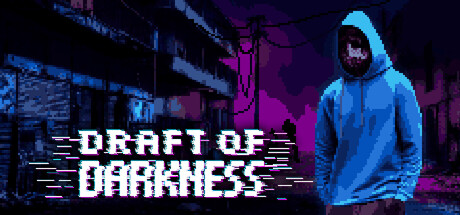
Retro survival horror aesthetic: The dark atmosphere combined with a grungy PS1-style aesthetic perfectly captures a classic 90s survival horror feel. The retro and atmospheric graphics are excellent, with pixel art that matches the game's tone.
High replayability value: Players note a ton of replay value, with the story opening up in each new run and a decent amount of replay for the asking price. This makes the game highly replayable.
Common complaints
Balance issues are prevalent: Many reviews mention significant balance problems, including overpowered cards, weak builds, and difficulty spikes. Some cards and combos are broken, while others are unplayable, leading to an inconsistent experience.
Enemy encounters are problematic: Enemies are often too tanky, have annoying mechanics like thorns, and can apply excessive debuffs. Encounters are unavoidable and punishing, with enemy AI not being threatening but detection radius too large.
Story is confusing and uninteresting: The story is described as cryptic, convoluted, and a mix of old tropes, with major consequences obscured and dialogue clunky. Many players find it uninteresting and tedious, detracting from the overall experience.
Game is extremely difficult: Players consistently report that the game is very hard, even on normal difficulty, with a steep learning curve and frequent deaths. The lack of a step-by-step tutorial makes it harder to get into.
Tutorial and explanations are lacking: Core mechanics like Layering, Timeline, and status conditions are poorly explained, leaving players confused. The lack of clear definitions in the info menu and the absence of a step-by-step tutorial hinder learning.
Gameplay and performance
Deckbuilding roguelike with horror: The game is consistently described as a deck-building roguelike that blends survival horror elements. Players build and improve their decks through dungeon crawling and card-based combat.
Resource management is central: Resource management is a key mechanic, with cards consuming resources like ammo, chemicals, and energy. Players must carefully manage limited resources to succeed.
Turn-based card combat: Combat is turn-based and card-driven, with some systems resembling Final Fantasy's ATB. Cards dictate actions and often require energy or other resources.
Character and weapon variety: The game offers multiple characters with distinct weapon classes and usable weapons. Some characters can wield more than one weapon type, adding strategic depth.
Deck customization options: Players can customize their starting deck, though it is limited to 10 cards. Many cards have weaker alternate modes that do not consume resources.
Alt+Tab movement bug: Pressing Alt+Tab triggers a bug where the character moves left without input, forcing a restart. This disrupts gameplay and requires a workaround.
Game is lightweight: The game is noted for being lightweight and undemanding on system resources, making it accessible on lower-end hardware. This is a positive aspect for performance-sensitive players.
Recommendations
General strong recommendation: Many reviews give a general strong recommendation, telling readers to buy the game or give it a shot. This indicates broad positive reception.
Recommended for deckbuilder horror fans: Multiple reviews recommend the game to fans of deckbuilders, roguelikes, and survival horror. The combination of these genres is a key selling point.
Try the demo first: Several reviews suggest trying the demo before purchasing, especially for those unsure if the game is for them. This is a common cautious recommendation.
Buying context
Community fair range: $10.00 - $15.00.
Story completion: 15.0h.
Session length: 3.0h.
The game starts with a steep learning curve and slow combat, but after completing a first successful run (around 3 hours) it opens up and becomes engaging through meta progression and revealed secrets.
Reported time to anchor: 3h.
Friction: steep learning curve; slow-paced combat; repetitive battles; tedious reading of mechanics; unintuitive progression; long run duration.
Unlock drivers: meta progression; unlocking new characters and cards; speed up animations setting; learning game mechanics.
Player profiles
Survival Horror Enthusiast: Explores the world, appreciates story and ambiance, may not optimize card synergies, often plays on easier difficulties. Motivation: Experiencing the horror atmosphere and the unique blend of survival horror and deckbuilding. Stance: buy.
Deckbuilding Strategist: Strategic and experimental, focuses on card synergies, resource management, and long-term meta progression. Motivation: Mastering the deckbuilding and roguelike mechanics, optimizing runs, and unlocking meta progression. Stance: buy.
Cautious Newcomer: Cautious, tries the demo first, uses easy difficulty, explores at their own pace, and may not engage deeply with complex mechanics initially. Motivation: Curiosity about the unique mix of horror and deckbuilding, wanting to try without commitment, and value for money. Stance: buy.
Platform notes
Steam Deck: The Steam Deck experience is marred by a high-probability Alt+Tab stability bug that requires a restart, and unreadable UI text due to doubled descriptions and misleading damage indicators. Controller support is advertised but not properly integrated, and the game demands intermediate English reading skills. Despite some positive feedback on controls and stability, the presence of unreadable UI and a disruptive bug pushes the experience into the broken range.
Other review notes
Frequently compared to Slay the Spire: Many reviewers compare the game to Slay the Spire, often favorably, describing it as a better or more unique take on the deckbuilding roguelike genre. Some also mention Darkest Dungeon and Resident Evil as inspirations.
Good content for price: Reviewers note the game offers a substantial amount of content, with around 15+ hours of gameplay, making it worth the price. It is also described as an indie title with good value.
Early Access actively developed: The game is in Early Access and has become more complete and feature-rich over time, with ongoing updates and developer involvement. It is not considered bare bones.
Solo developer behind game: The game is developed by a solo developer, often referred to as 'crawly' or Crawly Games, who is responsive to player feedback and actively improving the experience.
Chinese language support added: The game has received official Chinese language support in the full release, which is appreciated by players. Some note that Chinese support was added post-launch.