- Fresh roguelike deckbuilder mix
- Dungeon building is superb
- High replayability with modifiers
- Combat is underwhelming
- Deckbuilding is flawed
- Difficulty is unbalanced
Emotions
Archetypes
What players like:
Common complaints:
Gameplay feedback:
Performance notes:
Recommendations:
Other player notes:
Similar games
Blend with other games




Review evidence
Why players say this
Review evidence
Why players say this
Steam review verdict
A fresh roguelike deckbuilder with superb dungeon building and high replayability through modifiers, though underwhelming combat, flawed deckbuilding, and unbalanced difficulty hold it back.
What players like
Fresh roguelike deckbuilder mix: The combination of roguelike, deckbuilding, and dungeon construction is seen as fresh and inventive. Players appreciate the appealing blend of genres, which works well together.
Dungeon building is superb: The core dungeon building and exploring mechanics are praised as genius, beautifully crafted, and satisfying. Players find the loop of building, uncovering seals, and beating bosses tight and addictive.
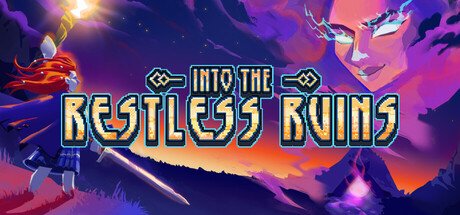
Retro pixel art style: The retro graphics and pixel art style are well-received, with players finding them attractive and reminiscent of 90s console games. The art is described as gorgeous and cool.
High replayability with modifiers: Players highlight the game's high replayability, with 'just one more run' appeal and endless twists. Adjustable modifiers allow players to tailor difficulty, enhancing replay value.
Scottish folklore theme appreciated: The game's incorporation of Scottish folklore is noted as neat and cool, providing a creepy and atmospheric backdrop. This thematic element adds to the game's charm.
Common complaints
Combat is underwhelming: Combat is described as basic, boring, and unsatisfying, with weapon choice not mattering and enemies being stat checks. Boss fights are uninspiring and lack depth, often one-shotting or being annihilated, leading to a dull experience.
Deckbuilding is flawed: Deckbuilding lacks synergy and is polluted by card additions, making essential cards harder to find. Players often skip card rewards to keep a small deck, and there is no way to ban cards, leading to a repetitive and uninteresting experience.
Difficulty is unbalanced: The game is too easy at the beginning but spikes significantly at the second boss, and later becomes a titanic mental challenge. This imbalance makes the game either boring or frustrating, with poor balancing overall.
Weapons are unbalanced: Weapons are not balanced, with the axe and dagger feeling like downgrades from the sword, and weapon upgrades being percentage-based and hard to notice. There is no choice of starting weapon, and swapping is limited, making combat builds minimalistic.
Game is too short: The game can be beaten in one day and lacks content for the price, with the ending disappointing and no endless mode. This reduces replayability and makes the price seem high for the genre.
Gameplay and performance
Dungeon building core mechanic: Players construct their own dungeon layout before exploring it, using cards or tiles to create rooms and paths. This innovative twist is central to the gameplay loop, allowing players to design their own challenges.
Roguelike deckbuilder hybrid: The game blends roguelike progression with deckbuilding mechanics, where cards represent dungeon rooms and combat encounters. This genre fusion is a defining feature, combining strategic card play with procedural runs.
Vampire Survivors-style combat: Combat is automatic and similar to Vampire Survivors, with players focusing on movement and positioning rather than direct attacks. This bullet heaven style is frequently mentioned as a key gameplay element.
Torch mechanic limits exploration: A torch depletes over time, narrowing vision and eventually causing health loss, forcing players to return to the start before it runs out. Campfires can replenish the torch, adding a resource management layer to exploration.
Weapon acquisition and switching: Players can discover and unlock different weapons during runs, but can only carry two at a time. This allows for switching between a primary and secondary weapon, adding variety to combat.
Steam Deck performance praised: Multiple reviewers highlight that the game runs smoothly on the Steam Deck, with no issues reported. This indicates strong optimization for handheld play.
Optimization generally good: One reviewer notes the game is perfectly optimized, supporting the positive performance feedback. This suggests the game runs well on various hardware.
Performance dips reported: A reviewer mentions performance dips, indicating occasional frame rate drops or stuttering. This is a minor issue compared to the overall positive performance.
Crashes occur: One reviewer experienced crashes, which can disrupt gameplay. This is a notable issue that may affect some players.
Recommendations
Strong recommendation for genre fans: Multiple reviewers recommend the game to fans of roguelikes, deckbuilders, and auto battlers, highlighting its unique take on the genre. The game is praised as a fun and easy recommendation for those interested in these mechanics.
Worth buying if interested: Reviewers suggest that if the game seems appealing, it is definitely worth picking up. The positive reception indicates that interested players will likely enjoy the experience.
Strong overall recommendation: Several reviewers give strong recommendations, with one saying 'seriously, just pick this one up' and another calling it highly recommended. This indicates a generally positive reception.
Good value even at full price: One reviewer notes that the game feels fair even at full price, while another says it is well worth the cost. This suggests the game provides good value for its price point.
Novel twist on roguelikes: The game is described as a fun alternative to other pixel roguelikes, especially with its deckbuilding twist. It offers a novel world for those tired of traditional climbing-tower roguelikes.
Buying context
Community fair range: $10.00 - $20.00.
Game completion: 9.0h.
Story completion: 11.0h.
Session length: 0.9h.
The game is generally fun immediately, with the dungeon-building and roguelike loop praised as addictive from the first session, though a minority find combat and progression too weak to sustain enjoyment.
Friction: shallow initial card pool; boring combat; weak power-ups; lack of meta-progression; tedious exploration as dungeon grows.
Unlock drivers: unlocking all weapons (speculative).
Player profiles
Horde Killer Fan: Focuses on positioning, speed, and using dungeon layout to divide and conquer hordes. Appreciates auto-combat and upgrade choices. Motivation: Enjoying the horde-killing autobattler gameplay and strategic room placement to manage crowds. Stance: buy.
Roguelite Deckbuilder Enthusiast: Engages with card selection, meta-progression unlocks, and strategic deckbuilding across runs. Appreciates dynamic difficulty and tweaking difficulty settings. Motivation: The 'one more run' loop, meta-progression, deckbuilding depth, and replayability. Stance: buy.
Casual Steam Deck Player: Plays in short bursts, uses Steam Deck, enjoys tile placement and simple dungeon crawling without high difficulty. Motivation: Relaxing short sessions, portability, and low-pressure gameplay. Stance: buy.
Platform notes
Steam Deck: All user reviews report a flawless Steam Deck experience with no technical barriers, launcher issues, or readability problems. The game is praised for its gamepad support and pick-up-and-play nature, indicating it runs natively and smoothly on the device.
Other review notes
Vampire Survivors comparisons frequent: The combat is often compared to Vampire Survivors, with some noting it lacks the excitement of that game while others see it as a fresh take. This comparison is central to how players describe the gameplay.
Scottish folklore theme praised: Multiple reviewers highlight the game's incorporation of Scottish folklore and legends as a key backdrop, adding unique atmosphere. This cultural theming is a distinctive and appreciated element.
Comparisons to Dungeon of the Endless: Players see similarities to Dungeon of the Endless and Loop Hero, indicating a mix of dungeon-building and roguelike mechanics. This helps set expectations for gameplay style.
Reasonable price for content: The asking price is considered very reasonable given the playtime, though some feel content is insufficient for the price. This is a point of debate among reviewers.
Steam Deck compatibility excellent: Reviewers consistently report the game runs great on Steam Deck and is fully playable, making it a recommended portable experience. This is a strong positive for handheld users.