- Innovative chapter-based mechanics
- Excellent voice acting and narrative
- Exceptional art style and aesthetics
- High difficulty with low tolerance
- Short game length noted
- Based on game jam prototype
Emotions
Archetypes
What players like:
Common complaints:
Gameplay feedback:
Performance notes:
Recommendations:
Other player notes:
Similar games
Blend with other games






Review evidence
Why players say this
Review evidence
Why players say this
Steam review verdict
Innovative chapter-based mechanics, excellent voice acting, narrative, and art are offset by punishing, low-tolerance difficulty, short length, and game jam prototype roots.
What players like
Innovative chapter-based mechanics: Each chapter introduces unique mechanics and card properties that require different deck-building strategies. This variety keeps the gameplay fresh and prevents boredom.
Excellent voice acting and narrative: Voice acting and storytelling are consistently praised as well-crafted and spine-chilling at times. The narrative is engaging and integrates well with the gameplay.
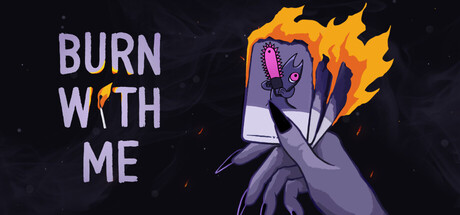
Exceptional art style and aesthetics: The art style is repeatedly praised as charming, stylized, unique, and beautiful. Many mention the cohesive visual design and cute elements that balance the dark atmosphere.
Outstanding atmosphere and vibes: The dark academia, dark fantasy, and overall atmospheric vibe are highlighted as major strengths. Players find the atmosphere immersive, captivating, and central to the experience.
Fun and engaging gameplay: Players consistently describe the core gameplay as fun, engaging, and enjoyable. Many highlight the engaging loop and immediate hook after the prologue.
Common complaints
High Difficulty and Low Tolerance: The game is excessively difficult, especially from the second chapter onward, with little room for mistakes. Many players struggle to progress, such as being stuck on the third chapter's rabbit for an hour, and find it harder than the demo.
Negative Narrative and Writing: Players criticize the story as unengaging, poorly written, and full of amateur mistakes, with frequent cutscenes that interrupt gameplay. The presentation, including voice narration and incorrect intonations, is off-putting and detracts from the experience.
Unfun Gameplay and Short Length: The core gameplay is not enjoyable, and the game can be completed in just over two hours, making it feel too short. Some also note that the main game runs quickly but only if it doesn't punish you.
Lack of Card Variety and Combos: There are no relics or events to create powerful combos, and stage card designs are too similar with low variety. This discourages repeated play and makes last stage card choices feel repetitive rather than rewarding.
Card Balance and Learning Curve: Some cards are significantly weaker than others regardless of build, making card selection and reading future developments difficult to get used to. This adds to the overall challenge and frustration.
Gameplay and performance
Chapters have unique gimmicks: Multiple clusters highlight that each chapter introduces distinct gimmicks, rules, and card properties, requiring fresh strategies. This structure keeps the game varied and prevents monotony across the campaign.
Deck-building roguelike with story: Reviewers consistently describe the game as a deck-building roguelike with a strong story focus, where narrative and mechanics intertwine. The term 'deck-building roguelike' appears across several clusters.
Complexity ramps up gradually: The gameplay evolves from simple beginnings, gradually introducing new mechanics and increasing complexity. Players note that the core loop iterates over time, offering a satisfying learning curve.
Card removal for draw: To draw more cards, players must permanently remove cards from their deck, a mechanic that forces tough choices. This resource management is compared to solitaire and adds strategic depth.
Many combos and synergies: Players appreciate the many card combinations and synergies to discover, with a focus on clever deck builds. The game offers depth without overwhelming complexity.
Runs well on Steam Deck: A player reports that the game has no issues running on the Steam Deck. This is a single, positive technical note with limited supporting detail.
Recommendations
Highly recommended overall: Many reviewers strongly endorse the game and consider it a must-play. Sentiment is overwhelmingly positive with no significant criticism in these clusters.
Great for deckbuilder fans: Reviewers specifically recommend it to fans of deckbuilding games like Balatro and Slay the Spire. The card mechanics and build crafting are highlighted as core strengths.
Strong narrative and art: The game's story-based gameplay and cute art style are praised, especially for those who enjoy uncovering personal tragedies behind demon summoning. It is recommended for narrative-focused players.
Try demo before buying: Several reviewers suggest trying the demo to see if the game is a good fit. This advice is given to help potential players make an informed decision.
Refund option suggested: A reviewer advises buying and playing, but refunding if you dislike it. This pragmatic approach acknowledges that the game may not appeal to everyone.
Buying context
Game completion: 2.0h.
Story completion: 3.0h.
Session length: 1.0h.
Player profiles
Atmospheric Short-Session Player: Plays in a single weekend or in short bursts, prioritizing visuals, atmosphere and a limited runtime over long-term progression or deep metagame. Motivation: Immersing in a striking, moody setting and finishing a compact, well-paced experience rather than sinking hundreds of hours into a grind. Stance: buy.
Puzzle & Roguelike Card Enthusiast: Approaches the game as a genre player, seeking clever decisions and card-driven roguelike runs, and evaluates it against other puzzle and card roguelikes. Motivation: Satisfying a taste for clever puzzle-solving and roguelike deckbuilding mechanics, the genres they already know and enjoy. Stance: buy.
Small-Scale Indie Supporter: Casual, portable play on handheld devices, with a supportive attitude that encourages others to give small developers a chance. Motivation: Showing goodwill toward small studios and championing charming, compact indie titles they can carry and enjoy casually. Stance: buy.
Other review notes
Short game length noted: Multiple clusters highlight that the game is relatively short, with various completion times and short playthroughs mentioned. This is a consistent observation across different reviews.
Based on game jam prototype: The game originated from a game jam prototype in 2024 and had early iterations. It evolved significantly from its initial version.
Inspired by Inscryption: The game is noted to be inspired by Inscryption, though it is a different game. This comparison appears in multiple clusters.
Two endings available: The game has two endings, and it takes about 6 hours to see one. This adds replay value and narrative depth.
Daniel Mullins endorsement: Daniel Mullins saw and liked the game, as mentioned in two clusters. This endorsement may boost visibility and credibility.