- Outstanding visual presentation
- Fun and engaging combat
- Strong story and characters
- Combat is boring and broken
- Too short and incomplete
- Weaker than first game
Emotions
Archetypes
What players like:
Common complaints:
Gameplay feedback:
Performance notes:
Recommendations:
Other player notes:
Similar games
Blend with other games




Review evidence
Why players say this
Review evidence
Why players say this
Steam review verdict
Great visuals, story, and characters, but combat is fun yet broken and boring, and it's too short, incomplete, and weaker than the first game.
What players like
Outstanding visual presentation: Players consistently praise the game's graphics, art direction, and visual style, including voxel and pixel art. This is one of the most frequently cited strengths across many clusters.
Fun and engaging combat: The combat system is widely described as enjoyable, with satisfying mechanics and good pacing. Players appreciate the balance between accessibility and depth.
Strong story and characters: The narrative, character development, and episodic structure are frequently commended, with emotional depth and interesting backstories. Multiple perspectives and converging plotlines enhance engagement.
Enjoyable deckbuilding mechanics: The deckbuilding system is praised for being simple yet well-thought-out, with flexible options and a large card pool. Turn-based card combat adds strategic depth.
Excellent music and sound: The soundtrack and audio design are repeatedly highlighted as fitting perfectly with the game's atmosphere and scenes. Multiple reviewers specifically mention the music as a standout feature.
Common complaints
Combat is boring and broken: The combat system is criticized for being too easy, repetitive, and relying on random card draws. Bosses can hide cards, turn order causes long waits, and brute force often works despite deck-building mechanics.
Too short and incomplete: Reviewers frequently note the game is very short, with some clearing it in under 3 hours. The ending and overall story feel abrupt, as if content was cut or the budget ran out.
Weaker than first game: Many reviewers feel the sequel fails to match the original in atmosphere, horror, exploration, and overall charm. The magic and whimsy of the first installment are largely considered missing.
Disjointed episodic narrative: The story is split into chapters with different characters that do not connect well, lacking a cohesive plot. The episodic structure leaves the narrative feeling incomplete and scattered.
Slow and tedious pacing: Walking is slow, backtracking is frustrating due to fast-respawning enemies, and some sections feel like a grind. The game drags in many places, reducing enjoyment.
Gameplay and performance
Chapter-based character-driven narrative: The story is structured across chapters, each centering on a different protagonist with their own story and deck. These separate perspectives eventually converge as the party comes together.
Deck-building card combat core: Combat revolves around playing cards from a self-built deck, with deck-building as a central mechanic. Each character has a unique deck and card abilities.
Turn-based combat with QTEs: Battles follow a turn-based flow of character and enemy alternating actions, enhanced by quick time events. Precise button presses during enemy turns can reduce damage, similar to Paper Mario.
Boss fights and difficulty modes: Boss fights feature debuffs on HARD difficulty, with multiple difficulty levels including Normal. The final game battle and tournament boss chain are challenging.
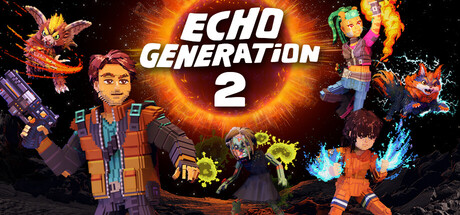
Voxel visual style: The game uses voxel graphics, mixing voxel models with 3D models. It is described as a voxel sci-fi card adventure.
Excellent Steam Deck performance: Multiple users report the game runs perfectly on Steam Deck with no performance issues. One notes specific locations are locked at 60 fps even with Vsync on, which is a positive outcome.
No issues on Linux: One user experienced no technical problems on EndeavorOS using GE Proton 11-1. This indicates good compatibility with Linux and Proton.
Normal PC requirements: The PC requirements are considered normal by one reviewer. This suggests the game is accessible without needing high-end hardware.
Recommendations
Recommended for fans: A portion of the feedback recommends the game to players who enjoyed the previous entry or are fans of light nostalgic RPGs. This suggests strong appeal to a specific audience.
Overall strong recommendations: Many reviewers recommend the game, describing it as excellent and deserving of more attention. Several give it high scores and express enjoyment.
Not recommended by some: A few players explicitly do not recommend the game, with one saying to stay away. Their negative opinions contrast with the positive majority.
Play original or first game: Some reviewers suggest playing the original or part 1 instead, with one calling it fantastic. This implies the sequel may not meet expectations for all players.
Try the demo: A couple of reviewers recommend trying the free demo to get a perfect impression or evaluate the combat before buying. This is a practical suggestion to help undecided players.
Buying context
Game completion: 11.5h.
Story completion: 3.0h.
Player profiles
Franchise Veteran: Plays through the series, likely in order, and invests in the ongoing narrative. Motivation: Continuation of the series and franchise loyalty. Stance: buy.
Story/Card Game Enthusiast: Focuses on narrative and deckbuilding elements. Motivation: Engaging story and card game mechanics. Stance: buy.
Critical But Satisfied Player: Engages critically with the game but focuses on overall fun. Motivation: Having fun despite acknowledged flaws. Stance: buy.
Platform notes
Steam Deck: The filtered reviews indicate strong overall Steam Deck compatibility. Users report no performance issues, perfect operation, and no technical problems, with one reviewer running via GE Proton successfully. The only friction is minor: occasional frame-rate behavior and a missing Exit Game option in the main menu. No launcher issues, Proton Experimental requirement, anti-cheat errors, crashes, or unreadable UI are reported.
Linux and Proton: The filtered reviews show predominantly positive Linux/Proton and Steam Deck compatibility. One user reports no technical problems on EndeavorOS with GE Proton, and another reports no performance issues on Steam Deck. A single minor Steam Deck performance complaint about intermittent frame behavior is not enough to indicate Linux-specific friction, so the compatibility experience is considered working well.
Other review notes
Worthy sequel with improvements: Some reviewers consider it a worthy sequel that corrects flaws of the first game, such as punishing back-and-forth, and improves on the unique block visual art style. It expands on the formula of the original.
Free demo available: A demo is available to try before buying, though it is short. Demo progress does not transfer to the full game.
Prequel to first game: The game is considered a prequel to the first game, with some characters from the first game returning.
Episodic structure with four chapters: The story follows four chapters with separate characters who meet only after the main chapters. No chapter replay after finishing the game.
Stranger Things and Back to the Future vibe: The soundtrack and overall atmosphere evoke associations with Stranger Things and Back to the Future.