- Wuxia roguelike card game with Slay the Spire influence
- Innovative combo system and dual-character combat
- Strong Heluo world connection for fans
- Mediocre, unpolished game with poor card balance
- Short, unengaging story and frustrating end-game
- Repetitive replayability and character balance issues

Emotions
What players like:
Common complaints:
Gameplay feedback:
Performance notes:
Recommendations:
Other player notes:
Similar games
Blend with other games




Review evidence
Why players say this
Review evidence
Why players say this
What players like
Overall Positive Reception: Players generally find the game fun, engaging, and worth its price, highlighting its potential and replayability. Many appreciate the art style, story, and the joy it brings, often noting improvements from recent updates.
Strong Heluo World Connection: Fans of Heluo Studio's previous games appreciate the continuation of the Heluo world, its characters, and lore. The game successfully evokes nostalgia and provides a satisfying follow-up story, maintaining the studio's characteristic humor and quality.
Improved Card Building & Combat: Initial difficulties with card building have been addressed through recent updates, making the system more fluid and enjoyable. The ability to easily replace cards and the increased reinforcement options have significantly enhanced the deck-building experience.
Powerful 'Lingxiao' Build: The '凌霄流派' (Lingxiao build) is highlighted as an extremely effective strategy, allowing players to achieve infinite card draws, energy, and damage, often leading to one-shot victories against most enemies, including the final boss.
Branching Quests and Choices: The game features numerous side quests with well-designed branching stories, where player choices and different companions lead to varied experiences and outcomes.
Common complaints
Poor Card System & Balance: The card system is heavily criticized for poor balance, numerous 'junk' cards, and difficulty in deck building due to mixed card pools for dual characters. Players struggle to obtain core cards, streamline decks, and find diverse, satisfying combinations, leading to frustration and reliance on luck.
Overall Mediocre & Unpolished Game: Players widely perceive the game as mediocre, unpolished, and rushed, lacking significant content, innovation, and depth. Many feel it's overpriced for its quality and offers a generally unpleasant experience, with declining quality compared to previous developer titles.
Short & Unengaging Story: The story is widely considered short, unengaging, and often recycled from previous works, lacking immersion and depth. Players feel it's old-fashioned, cliché, and fails to deliver a compelling narrative, especially in later chapters.
Lack of Slay the Spire Depth: The game is frequently compared to 'Slay the Spire,' with many players noting its direct copying of mechanics but failing to achieve the same depth, fluidity, or player control over deck management. This leads to a perception of unoriginality and an inferior experience.
Frustrating End-Game & Bosses: The final chapters and boss encounters are described as dry, frustrating, and anticlimactic. Specific boss mechanics are seen as unfair, forcing players into narrow builds and making certain strategies ineffective, leading to a difficult and unsatisfying conclusion.
Gameplay and performance
Innovative Combo System: A core gameplay element is the '套路' (routine/combo) system, where playing specific card sequences triggers powerful, often 0-cost, follow-up cards or ultimate moves. This system encourages strategic deck building and character synergy, though some players found weapon-type restrictions limiting.
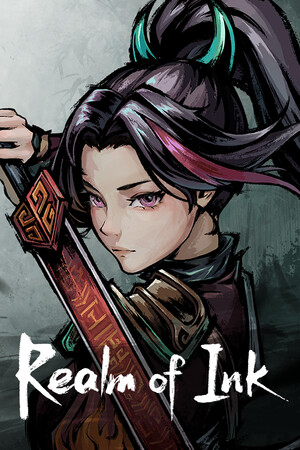
Wuxia Roguelike Card Game: The game is primarily a Wuxia-themed roguelike deck-building card game, drawing heavily from the 'Heluo Qunxia Zhuan' universe. It blends traditional Wuxia martial arts and storytelling with card-based combat mechanics, offering a unique fusion of genres.
Dual-Character Combat: The game features a dual-character combat system where players manage a combined deck for both the protagonist and a chosen companion. This adds a layer of strategic depth through character synergy and shared/separate resource management.
Slay the Spire Influence: Many players noted strong similarities to 'Slay the Spire' in its core deck-building roguelike structure, card mechanics, and even some character archetypes. While it borrows heavily, it integrates these elements with its unique Wuxia theme and story.
Diverse Builds & Strategies: Players can explore various martial arts '套路' (routines) and deck archetypes, such as 'Lingxiao御风' for infinite combos or specific weapon-based builds. The game encourages focused deck construction, advising against mixing too many unrelated card types.
Initial Version Bugs: Early game versions had several bugs, including incorrect character portraits in events, consumable card effects not matching descriptions, and occasional unregistered damage. These issues seem to have been present in the initial release.
Performance and Optimization Issues: Players reported high GPU usage, specifically noting issues with the Unity engine. While the overall experience was generally smooth, there were concerns about excessive resource consumption.
Fewer Bugs Than Predecessor: One player noted that the game had fewer bugs compared to a previous title, 'Heluo Qunxia Zhuan'. This suggests an improvement in quality control relative to past releases.
Recommendations
Target Audience: Heluo Fans: The game is highly recommended for existing fans of Heluo Studio's previous Wuxia titles, especially 'Wuxia Legend' and 'Heluo Qunxia Zhuan'. These players will appreciate the story continuation, familiar characters, and immersive Wuxia world, making it a strong purchase for them.
Target Audience: Card Roguelike Fans: Players who enjoy card-based roguelike games, particularly those familiar with titles like 'Slay the Spire', are encouraged to try this game. It offers a unique Wuxia twist on the genre, though some suggest waiting for a sale or further updates.
Developer Support and Future Games: Many reviews highlight strong support for Heluo Studio, with players expressing a willingness to buy future games regardless of initial reviews, driven by loyalty and hope for the studio's continued success. There's anticipation for sequels and new titles, particularly a Gu Long game.
Value and Purchase Recommendation: Many players suggest purchasing the game during a sale, especially if they are not dedicated Heluo fans or card game enthusiasts. While some find it decent value, others feel the full price is not justified compared to other roguelikes, recommending it more for casual fun at a discount.
Minor Gameplay Suggestions: Several minor suggestions were made, including treating the game like a mobile game, improving the protagonist's personality in future titles, and specific combat advice for an invisible enemy.
Other review notes
Strong Heluo Studio Support: Many players express strong loyalty and support for Heluo Interactive Entertainment, often purchasing games without hesitation to support the developer. This support stems from a long history with Heluo's Wuxia games, despite some past disappointments with specific titles.
Deep Wuxia Lore Integration: The game is deeply embedded in the Wuxia genre, serving as a sequel or side story to previous Heluo titles like 'Wuxia Legend' and 'Heluo Qunxia Zhuan'. It reuses elements, characters, and the overall worldview from these games, appealing strongly to long-time fans of the developer's Wuxia universe.
Desire for More Content: Players express a desire for more content, including additional story chapters, different routes based on companion choices, and more extensive modding support. This indicates an appetite for deeper engagement and replayability beyond the current offerings.
Localization and Accessibility Issues: The game lacks official Korean localization, requiring players to use complex third-party tools for translation. This highlights a barrier to accessibility for non-Chinese speaking audiences, despite some players hoping for broader language support.
Potential Financial Recovery Project: Some players speculate that this game might be a smaller, quicker project designed to help the development team financially or serve as a warm-up for future, larger endeavors. This perception influences how some reviewers view its scope and ambition.