- Fun and enjoyable gameplay
- Beautiful art style praised
- Engaging management gameplay core
- Content too thin overall
- Repetitive gameplay causes boredom
- Performance issues with large populations
Emotions
Archetypes
What players like:
Common complaints:
Gameplay feedback:
Performance notes:
Recommendations:
Other player notes:
Similar games
Blend with other games





Review evidence
Why players say this
Review evidence
Why players say this
Steam review verdict
A beautiful and fun management game with an engaging core, but thin content, repetitive gameplay, and performance issues with large populations.
What players like
Fun and enjoyable gameplay: Players across multiple clusters describe the overall gameplay as fun, enjoyable, and acceptable, with a mix of challenge and entertainment. This is a broad but frequent positive theme indicating strong general satisfaction.
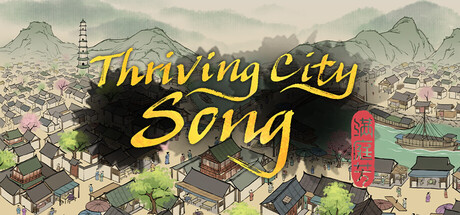
Beautiful art style: The art style is widely praised as beautiful, appealing, and fitting personal taste, with specific mentions of ink-wash and hand-drawn styles that bring the game to life. This strong aesthetic reception is a consistent positive across feedback.
Engaging management gameplay: Players who enjoy management games find this Chinese-style management and strategy game exciting and quite good, with comfortable gameplay that appeals to fans of the genre. The management mechanics are a core draw for the target audience.
Immersive Song Dynasty setting: The Chinese Song Dynasty setting is highly appealing and praised as excellent, with many players enjoying the historical themes and Chinese-style elements. This cultural and historical backdrop adds significant narrative depth and attraction.
Great music and atmosphere: The Chinese-style music fits well with the visuals, and the combination of graphics and music creates a strong artistic atmosphere that is praised. The audio-visual pairing enhances the overall experience.
Common complaints
Game content is too thin: Reviews indicate that the story, gameplay, and overall content are insufficient for the price, making the game feel shallow. Players note low replayability and limited content.
Repetitive gameplay leads to boredom: Players report that the game becomes monotonous and boring, especially in endless mode after achievements are complete. General repetition and lack of variety diminish long-term enjoyment.
New player tutorials are poorly designed: Several players criticize the tutorial as unfriendly and inadequate, requiring many restarts and leaving newcomers confused. This negatively impacts early experience.
Building system frustrating and restrictive: Players are unhappy with building limitations, including only two rotation directions, inability to upgrade in place, and adjacency requirements. This restricts creativity and aesthetic choices.
Career mode is unrewarding and repetitive: Multiple reviews report that career mode demands too much, is boring, and offers poor rewards. Players find it time-consuming and repetitive, leading to frustration.
Gameplay and performance
Career and story modes available: The game features both a career mode with rankings, tasks, and networking, and a story mode with missions. These modes provide structured progression and objectives for players.
City building and management core: Core gameplay revolves around city building and management, involving construction, resource management, and expansion. Players engage in traditional city-builder mechanics with strategic placement and development.
Ancient Chinese historical setting: The game is set in ancient China, specifically the Song Dynasty, with a strong Chinese cultural and historical theme. This setting influences the aesthetics, architecture, and overall atmosphere.
Endless and story modes: The game offers both an endless mode for free construction and a story mode with structured missions. Endless mode allows players to build without story restrictions, providing flexibility in gameplay.
Resource and population management: Players manage food, population, safety, and other resources. The game includes resource chains, population growth, and welfare systems that are central to the simulation experience.
Performance degradation with large populations: Multiple clusters report significant lag and frame rate drops once the population exceeds 1000–3000, with stuttering becoming increasingly severe. This suggests the game's optimization fails under high entity counts, impacting late-game playability.
Game crashes or fails to launch: Several clusters describe the game failing to start, with crashes occurring on launch or during the initial load screen, often persisting after updates or reinstalls. These issues block access to the game entirely, making them highly disruptive.
Lag from specific in-game actions: Certain actions, like building stone roads or viewing the yearly financial report, trigger noticeable lag. These localized performance spikes suggest inefficient code paths for specific features.
Crashes at lower population thresholds: One player reports crashes with only 600 people and a small town, contradicting the typical high-population lag issue. This indicates crash bugs can occur even in early game, not just at scale.
Stuck on mod loading screen: One user gets stuck on the mod loading screen even without any mods or workshop subscriptions, preventing the game from proceeding. This suggests a bug in the loading process not related to user-installed content.
Recommendations
Recommended for management game fans: Multiple reviewers recommend this game to fans of management, resource management, and 2D management simulations. It is seen as fitting well within those genres.
Strongly advised not to buy: Several reviews strongly advise against purchasing the game, with some saying 'Do not buy'. This indicates significant dissatisfaction among a portion of players.
Recommended for farming and casual players: Reviewers recommend the game to fans of farming games and casual time-killing players. It is seen as suitable for relaxed, casual play sessions.
Best to buy on discount: Several reviews suggest purchasing the game on sale or at a discount. This implies the full price may not be considered justified by some players.
Only Chinese aesthetic praised: One review states the game is not recommended except for its Chinese aesthetic, with another saying it is only average besides the Chinese style. This suggests the visual style is a standout but the rest is mediocre.
Buying context
Community fair range: $8.00 - $12.00.
Story completion: 77.0h.
Session length: 5.5h.
Players find the game immediately addictive and enjoyable upon starting, but the fun declines later due to frustrating mechanics like endless mode's difficulty, constant citizen complaints, and random rumors.
Player profiles
Veteran City-Builder Critics: Analytical, compares to genre classics, critical of mechanics. Motivation: To experience deep, balanced simulation and challenge in a city builder. Stance: deep sale.
History Enthusiasts: Detail-oriented, suggests historical improvements, values authenticity. Motivation: Historical role-play and accurate city-building in the Song Dynasty. Stance: buy.
Casual Relaxed Players: Casual, decoration-focused, less concerned with efficiency. Motivation: Relaxation and enjoyment of aesthetics and casual city building. Stance: buy.
Platform notes
Steam Deck: The game suffers from frequent crashes, especially in the late game and after updates, making it nearly unplayable. Additionally, the font size is too small for the Steam Deck and controller support is broken, further degrading the experience.
Other review notes
Chinese Song dynasty setting praised: Many reviewers highlight the game's unique and immersive representation of the Song dynasty. The setting is seen as a refreshing departure from typical Western themes.
Active developer updates appreciated: Players value the frequent updates and bug fixes that show the developer's commitment. Some note that this ongoing support enhances the game's longevity.
Compared to Emperor: Rise of Middle Kingdom: Reviewers frequently compare the game to Emperor: Rise of the Middle Kingdom, often noting similarities in gameplay and style. While some prefer Emperor, others see this game as a worthy alternative.
Content deemed insufficient for price: Several reviewers feel the game offers too little content for its price, especially at full release. This sentiment is strong among early buyers and those expecting more depth.
Workshop and mod support lack: The Workshop is noted as lacking updates from major creators, and mods are mostly community-driven. There is potential for expansion but current support is limited.