- Relaxing and engaging building gameplay experience
- Detailed and rewarding building mechanics
- Authentic Chinese building and voice acting
- Unfinished and bug-ridden game state
- Tedious progression and quest bugs
- Missing day/night cycle and performance issues
Emotions
What players like:
Common complaints:
Gameplay feedback:
Performance notes:
Recommendations:
Other player notes:
Similar games
Blend with other games








Review evidence
Why players say this
Review evidence
Why players say this
What players like
Relaxing & Engaging Gameplay: The game provides a highly enjoyable, chill, and meditative experience, praised for its captivating atmosphere, engaging story, and diverse content like cultivation, economy, and crafting. It offers significant playtime value and a unique, charming feel.
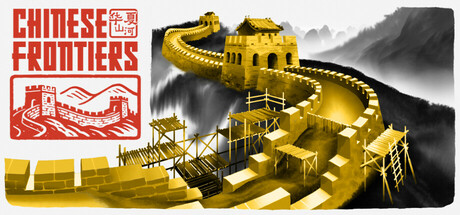
Detailed Building Mechanics: The building system is highly praised for its realism, detail, and depth, requiring players to place individual components like beams and bricks. This piece-by-piece construction is satisfying and elevates the gameplay experience.
Authentic Chinese Building: The game uniquely focuses on Chinese-style building, including the Great Wall, and incorporates ancient architectural techniques and cultural elements. This provides a distinct and educational building simulator experience.
Responsive Developer Support: The development team is actively engaged with the community, listening to feedback, and consistently working to fix bugs and improve the game through patches. This proactive approach is highly appreciated by players.
Beautiful Graphics & Scenery: The game is consistently praised for its beautiful graphics, detailed landscapes, and overall visual design. The scenery is described as pretty, bright, and immersive.
Common complaints
Unfinished & Bug-Ridden: The game is plagued by numerous bugs, including game-breaking ones, and feels like an unpolished, early access title rather than a full release. Many core features and details lack polish, leading to a clunky and frustrating experience.
Tedious Building & Progression: The building process is frustratingly slow and difficult, requiring excessive material trips due to inventory limitations and lack of material overviews. Overall game progression, including resource gathering and tool unlocking, feels like a repetitive grind.
Quest Bugs & Poor Guidance: Many quests are bugged, preventing completion or progression, with objectives not registering or markers being incorrect. Players also struggle with poor quest guidance, lacking clear hints or map indicators for objectives and NPCs.
Missing Day/Night Cycle: The game lacks a day/night cycle, which feels unnatural given the presence of lights and lanterns. This omission also makes it difficult to gauge NPC crafting rates tied to hourly percentages.
Village Building Glitches: Players encounter significant bugs when attempting to place buildings within the village, often finding it impossible or confusing. Additionally, villager automation features, such as assigning them to tasks or farms, frequently do not function as intended.
Gameplay and performance
Main & Side Quests: The game includes a main story with a set number of missions and numerous side quests. These side quests often involve exploration activities such as fishing, planting, and animal husbandry, contributing to village development.
No Combat or Hunting: A significant aspect highlighted is the complete absence of combat, PVE elements, hunting, or weapon crafting in the game. This indicates a focus purely on building and resource management.
Great Wall Construction Focus: A major late-game objective involves the extensive construction of the Great Wall, including specific historical sections. This grand project requires significant grinding and community development, often following a lengthy tutorial.
Building Placement Flexibility: Players desire more flexibility in building placement, including the ability to construct over existing resources or trees. The option to move or rotate already built structures is also a requested quality-of-life improvement, similar to other games in the genre.
Limited Building Variety: Players noted a lack of diverse building styles, specifically only one type of mortise and tenon joint. Additionally, many house models are excessively large but offer limited functional utility, often only a single workbench.
Mixed Performance Feedback: While many report issues, some players experience average to good optimization, with no significant loading or frame rate problems. This indicates a varied performance experience across different systems.
High GPU Demands: The game is noted for being very demanding on the graphics card, which can contribute to performance issues, especially for players with less powerful hardware.
Typical Graphics Quality: The game's graphics are generally considered typical for projects of its kind. They are neither standing out as exceptional nor being particularly poor.
Recommendations
Wait for fixes/optimization: Many players advise waiting to purchase due to numerous bugs, poor optimization, and the game feeling unfinished. Some suggest buying only if willing to support early access, accept current issues, or if the price drops, indicating the game is not yet in a fully polished state.
Immersive building/life sim: The game is highly recommended for fans of crafting, building, farming, and village expansion, especially those who enjoy games like 'Medieval Dynasty'. Its focus on traditional Chinese architecture and immersive ancient China life simulation is a major draw.
Suits slow-paced players: The game is best suited for players who enjoy taking their time, exploring, and gradually learning mechanics. It is not recommended for those seeking fast-paced action or quick progression.
Caution: 'forced labor'/3D sickness: Players should be aware of potential issues like 'forced labor' mechanics, which might not appeal to everyone. Additionally, those prone to 3D sickness should exercise caution before purchasing.
Other review notes
Game Needs Polish & Content: The game is perceived as unfinished, requiring significant bug fixes, polish, and additional content. Players desire features like co-op mode, more buildings, threats, and environmental changes (day-night cycle, seasons) to enhance the experience. Many are waiting for patches to address current issues before continuing to play.
Player-Found Workarounds: Players have discovered various workarounds to mitigate in-game issues, such as restarting the game, reverting to earlier saves, or pressing specific keys to bypass loading screens. These temporary solutions highlight underlying bugs that disrupt gameplay. Specific fixes like switching to full display for mouse issues were also noted.
Improve Developer Communication: Some players express frustration with a perceived lack of responsiveness and transparency from developers. They urge the team to improve communication by providing regular updates and setting clear deadlines for fixes and new content. This contrasts with other feedback, indicating mixed perceptions of developer interaction.
Early Release Criticized: A significant point of criticism is the decision to release the game as a full title rather than Early Access. Reviewers believe the game was launched prematurely, possibly due to external pressure, leading to its current unpolished state. This release strategy is seen as a poor choice given the number of bugs.
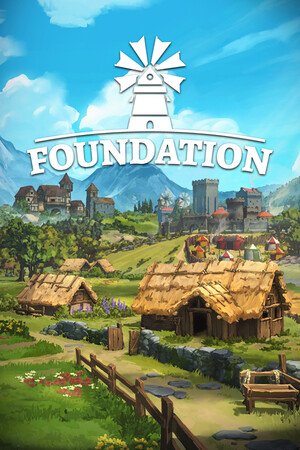
Game Genre Comparisons: The game's core mechanics and feel are often compared to other titles, specifically 'Medieval Dynasty' (though simplified) and 'Blacksmith Simulator'. These comparisons help define the game's genre and highlight its unique blend of elements. It provides context for players familiar with similar games.