- Vibrant and unique art style stands out
- Outstanding soundtrack enhances gameplay experience
- Satisfying momentum-based platforming mechanics
- Unresponsive and floaty controls frustrate players
- Poor level and boss design disappoints
- Severe bugs and glitches disrupt gameplay
Emotions
What players like:
Common complaints:
Gameplay feedback:
Performance notes:
Recommendations:
Other player notes:
Similar games
Blend with other games




Review evidence
Why players say this
Review evidence
Why players say this
What players like
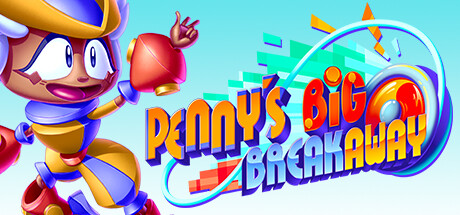
Vibrant and unique art style: The game's visuals, including its colorful environments, character designs, and artistic direction, receive high praise for their charm, vibrancy, and avoidance of visual fatigue. The art style is often described as a major contributor to the game's appeal.
Outstanding soundtrack and audio: The music and sound design are frequently praised for their quality, energy, and ability to complement the gameplay. Standout tracks and a well-composed OST are noted as enhancing the overall experience.
Satisfying momentum-based platforming: The game's physics and momentum-based movement system are widely celebrated for their depth and fluidity. Players appreciate the unique feel and skill-based mastery, comparing it favorably to classic 3D platformers like *Sonic* and *Mario Odyssey*.
High replayability and skill ceiling: The game's combo system, momentum mechanics, and level design encourage replayability for optimization, speedrunning, and mastery. Players find the high skill ceiling rewarding and addictive.
Accessible but challenging to master: While the game is beginner-friendly and easy to pick up, its depth and complexity make it rewarding for players who invest time in mastering its movement and combo systems.
Common complaints
Unresponsive and floaty controls: Controls are described as slippery, floaty, or unresponsive, with input lag and inconsistent registration. This makes precise platforming difficult, especially in a momentum-based game.
Poor level and boss design: Levels are repetitive, unfocused, or poorly designed, with recycled ideas and lack of cohesion. Boss fights are criticized for being too easy, gimmicky, or broken, with inconsistent difficulty and hitboxes.
Severe bugs and glitches: The game suffers from frequent bugs, including clipping through walls/floors, input drops, camera issues, and crashes. These issues disrupt gameplay and progress, often requiring reloads or causing unfair deaths.
Fixed camera hinders gameplay: The lack of camera control impairs depth perception, platforming, and exploration. Players report frustration with awkward angles, obstructions, and difficulty judging jumps or enemy positions.
Frustrating yo-yo mechanics: The yo-yo, a core movement tool, is unreliable and inconsistent. Players report issues with deployment, steering, and physics, often getting stuck or flinging unpredictably, especially with camera angles.
Gameplay and performance
Combo-driven scoring and replayability: A robust scoring system rewards combos, tricks, and multipliers, while movement options (e.g., dashes, swings) can be chained in any order for high replay value. Time attacks and end-stage minigames further incentivize mastery.
Learning curve for controls: The movement system (especially yo-yo mechanics) has a steep learning curve, with reviews noting initial challenges in mastering momentum, collisions, and aerial combos. Controls are praised once learned.
Bonus content and side quests: Optional content includes hidden objects, NPC side quests, and unlockable starglobe levels (via collectibles). These elements cater to completionists and extend gameplay beyond the main path.
Power-ups and dynamic gameplay: Power-ups temporarily alter movement or combat dynamics, adding variety to traversal and puzzles. Some sequences (e.g., chase scenes) rely heavily on these mechanics for progression.
Penguin enemies and hazards: Enemy penguins act as persistent obstacles, chasing and jumping on the player. Their interactions are simple but integral to level design, particularly in platforming sections.
Severe collision and clipping bugs: Players frequently report clipping through floors, walls, and terrain, as well as collision detection failures leading to softlocks or unintended deaths. These issues persist despite patches and significantly disrupt gameplay.
Camera and depth perception issues: Camera glitches, including teleportation, rotation problems, and depth perception issues, are widely reported. These affect gameplay fluidity and can cause disorientation or unintended actions.
Framerate and performance instability: FPS-related bugs, including drops to single digits, physics issues at high framerates, and slow-motion effects due to framerate capping, are common. Some players also report performance dips in specific zones despite decent hardware.
Input lag and dropped inputs: Players experience input drops, lag, or missed inputs, often requiring level restarts. This issue is particularly frustrating for precision-based gameplay like speedrunning.
Steam Deck performance variability: While some players report smooth 90 FPS performance on Steam Deck, others experience compatibility issues. Performance on the handheld device is inconsistent.
Recommendations
Price sensitivity and sale recommendations: Many reviews emphasize the game is overpriced at full cost ($30) and suggest waiting for discounts (e.g., $10–$15) or patches. Sales make the game significantly more justifiable.
Niche appeal for platformer fans: The game is repeatedly recommended only for fans of 3D platformers, classic Sonic, or retro-style platforming. Casual players or those skeptical of the genre are advised to wait for sales or avoid it entirely.
Movement system requires practice: The game’s controls and jumping mechanics are polarizing; players highlight the need to practice or watch tutorials to enjoy the experience fully. Mastery is rewarding for some but frustrating for others.
Hidden gem with flaws: Despite bugs, unpolished elements, and niche appeal, many reviews call the game a ‘hidden gem’ or ‘ray of sunshine’ for its charm, creativity, and potential. Patches are eagerly awaited.
Sequel potential: Players express hope for a sequel with improvements, such as a hybrid camera, level editor, or refined mechanics, building on the game’s strengths while addressing its flaws.
Other review notes
Publisher criticism unrelated to game: Players frequently criticize Take-Two as the publisher but explicitly separate this from feedback about the game's developers. This suggests frustration with corporate decisions rather than the game itself.
Short but replayable length: The game's 6-hour campaign is noted as short, but players appreciate its focus on replayability, suggesting value despite brevity.
Lack of recent updates: Players express concern over the game not receiving updates since March 2024, raising questions about post-launch support and bug fixes.
Poor audio volume UI: The audio volume controls are described as poorly designed, making it difficult for players to adjust settings to their preference.
Strong developer pedigree noted: The development team's prior work on *Sonic Mania* is highlighted as a positive, signaling trust in their ability to deliver quality gameplay despite other criticisms.