- Unfinished, uninspired sequel with mixed reception
- Unrewarding meta-progression system
- Unfair difficulty spikes and clunky controls
- Improved visuals and deeper build crafting
- Frequent performance issues and bugs
- Wait for significant game improvements
Emotions
What players like:
Common complaints:
Gameplay feedback:
Performance notes:
Recommendations:
Other player notes:
Similar games
Blend with other games





Review evidence
Why players say this
Review evidence
Why players say this
What players like
Excellent sequel, improved gameplay: Players overwhelmingly praise the game as a significant improvement and worthy successor to the original. They highlight its enhanced gameplay, polished feel, and successful balance of familiar elements with fresh additions, making it highly enjoyable and replayable.
Improved and beautiful visuals: The game's visuals receive strong positive feedback, with players noting improved graphics, more vibrant and detailed scenarios, and better lighting. The art style is consistently described as beautiful and charming.
Rewarding meta-progression system: The meta-progression system is highly praised for being fun, rewarding, and providing meaningful evolution to mechanics. Players appreciate the new options and the addictive nature of unlocking new elements, which enhance the overall experience.
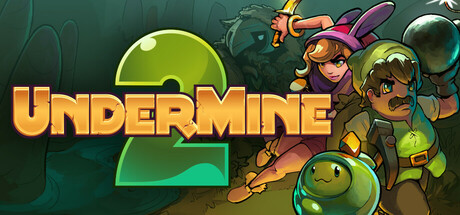
Engaging new characters: The addition of new playable characters, particularly the Black Rabbit, is well-received. Players enjoy the varied combat styles and the depth these characters add, with Black Rabbit specifically noted for making runs easier and more dynamic.
Responsive developer support: The development team is highly commended for their responsiveness and active work in addressing issues and bugs. This dedication to improvement fosters player confidence and satisfaction.
Common complaints
Unfinished, uninspired sequel: Many players feel the game is an unfinished, unpolished sequel that reuses too many assets and mechanics from the first game, leading to a sense of it being more like an expensive DLC than a true successor. This results in a lack of novelty and a feeling of disappointment.
Unrewarding meta-progression: The meta-progression system is widely criticized for being slow, unrewarding, and feeling like an excessive grind. Players report a lack of meaningful character growth or a sense of increasing power after runs, diminishing motivation for continued play.
Unfair difficulty spikes: The game's difficulty is perceived as unfairly high and poorly balanced, especially in early stages and boss encounters. Players feel it relies on artificial inflation, such as enemy spam and high damage, rather than a gradual, fair challenge, leading to frustration.
Clunky character controls: Players report that character movement, jumping, and controls feel clunky, sluggish, and unresponsive, a regression from the first game. This impacts the overall fluidity of gameplay and contributes to a less enjoyable experience.
Poor gold/currency system: The new gold and currency system, particularly the shift from persistent gold to in-run resources and boss-dropped 'crown coins' for meta-progression, is widely disliked. Players feel it removes the satisfying progression loop and makes gold largely useless, hindering the sense of reward.
Gameplay and performance
New meta-progression currency: The meta-progression and upgrade systems now use a new currency, such as 'crowns' or 'tokens,' instead of gold. Gold is now primarily an in-run currency.
New character attribute system: The game introduces a new character attribute system, allowing players to invest points into various stats like Strength, Intelligence, and Dexterity. This system is more streamlined than the previous game's, with some attributes being simplified.
Co-op gameplay available: The game supports co-op gameplay, including local split-screen and online co-op via Steam Remote Play. This allows players to team up and experience the game together.
New mana and spell system: A new mana bar and Arcana (spells) system have been implemented, adding more depth and variety to combat. Spells are activated using mana, expanding player combat options.
Early boss progression focus: The game features a structure where players encounter a boss after only two levels. Beating this first boss is crucial for early progression, as it provides tokens or thorium for meta-progression.
Frequent performance issues: Players are experiencing significant performance issues, including frequent lags, delays, and freezes, even when graphics settings are reduced. These problems appear early in the game, starting from the tutorial.
Game-breaking damage bug: A critical bug prevents players from taking or dealing damage, which halts progression during scripted events like death scenes. This issue makes the game unplayable past certain points.
Good Steam Deck performance: The game is reported to run well on the Steam Deck, provided that some graphics settings are adjusted or turned off. This indicates good compatibility with portable gaming devices.
Resolution and FPS caps: Some players are encountering issues with resolution and frame rate caps, specifically being stuck at 1080p and 60fps. While an FPS unlock option exists, it doesn't seem to resolve the issue for everyone.
Recommendations
Wait for game improvements: Many players are hesitant to recommend the game in its current state, often suggesting waiting for further development or a sale. Some have even refunded the game, indicating significant dissatisfaction with the current version.
Optimism for future development: Players express optimism for the game's future, especially given its Early Access status. They hope for continued development, content additions, and improvements to address current issues, believing the game has strong potential.
Compares to Undermine 1: There's a strong sentiment comparing the game to its predecessor, Undermine 1. While some find it a worthy successor, many feel it doesn't yet live up to the original, suggesting new players try the first game instead.
Good for roguelike fans: The game is recommended for fans of roguelike and roguelite genres, drawing comparisons to popular titles like Binding of Isaac and Enter the Gungeon. Players who enjoy these types of games are likely to find this game appealing.
Improve meta-progression: Players are requesting changes to meta-progression, specifically hoping for the return of gold usage for permanent upgrades and the addition of starting artifacts or similar bonuses.
Other review notes
Early Access needs more content: Players frequently mention that the game is in Early Access and express a strong desire for more content, complexity, and diversity. They anticipate significant improvements and additions as development progresses, hoping for a more polished and expanded experience.
Address keyboard input issues: Some players experienced critical gameplay issues, such as being unable to move or losing gold, due to keyboard malfunctions. This suggests a need for robust input handling or clearer error messaging when input devices fail.
Negative reviews are unjustified: Several reviewers expressed surprise at the volume of negative feedback, suggesting that some complaints might stem from resistance to change or a lack of understanding of the game's full scope or early access nature.
Bought to support developers: Some players purchased the game primarily to support the development team, highlighting community support as a motivation for purchase.
Adjusting to new game elements: Players acknowledge that the game introduces significant changes and that it takes time to adjust to these new elements and differences compared to previous iterations.