- Engaging empire-building mechanics with depth
- High replayability and varied content
- Accessible yet strategically deep gameplay
- Monotonous and repetitive late-game experience
- Clunky UI and poor user experience
- Buggy and unpolished overall performance
Emotions
What players like:
Common complaints:
Gameplay feedback:
Performance notes:
Recommendations:
Other player notes:
- -
No data available
Similar games
Blend with other games




Review evidence
Why players say this
Review evidence
Why players say this
What players like
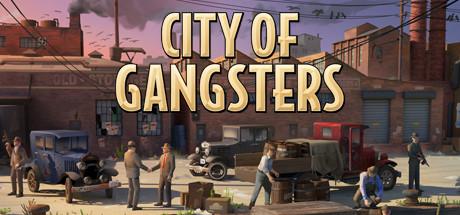
Engaging empire-building mechanics: Players consistently praise the satisfying progression of building a criminal empire, including territory control, resource management, and strategic expansion. The turn-based planning and automation of tasks enhance long-term engagement.
Accessible yet deep gameplay: The game is easy to learn but offers significant depth, making it appealing to both casual and hardcore strategy fans. The tutorial and UI are praised for their clarity and effectiveness.
Fair pricing and value: The game is considered reasonably priced for its depth and content. Players feel it offers good value, especially with the frequent updates and expansions.
High replayability and content variety: Randomly generated maps, diverse gameplay options, and procedural systems ensure high replayability. Players also enjoy the variety of illegal businesses, crew management, and expansion paths.
Responsive and committed developers: Frequent updates, bug fixes, and developer responsiveness to feedback are highlighted as key strengths. Players appreciate the ongoing improvements and content additions.
Common complaints
Monotonous and repetitive gameplay: Players frequently report that the game becomes tedious and repetitive, with shallow tasks, lack of variety, and no meaningful progression. Core mechanics like resource management and combat fail to evolve, leading to boredom.
Lack of late-game content: The game offers no meaningful progression or challenges beyond mid-game, with repetitive tasks, no climax, and an abrupt ending in 1933. Players feel their long-term efforts are pointless.
Misaligned gangster fantasy: The game fails to deliver on the promise of a gangster experience, feeling more like a city management or supply chain simulator. Players expect crime-focused activities (e.g., robberies, brothels) but find repetitive logistics instead.
Poor automation and micromanagement: Automation systems are ineffective, requiring excessive manual input for tasks like resource acquisition and logistics. Late-game micromanagement becomes overwhelming, with no quality-of-life improvements for repetitive actions.
Clunky UI and poor UX: The user interface is cluttered, unintuitive, and poorly designed, making it difficult to manage businesses, territories, or resources. Information presentation is not user-friendly.
Gameplay and performance
Resource and Logistics Management: Players manage complex supply chains for illegal operations, including alcohol production, delivery routes, and crew roles. Automation systems and procedural generation add depth to logistics, requiring strategic planning for resource acquisition and distribution.
Turn-Based 4X Empire Building: The game blends turn-based strategy with 4X mechanics (explore, expand, exploit, exterminate), allowing players to start small and grow their gang through territory acquisition, business management, and rival gang interactions. Grid-based movement and turn-based combat are core features.
Prohibition-Era Gangster Strategy: The game centers on building a criminal empire during the 1920s Prohibition era, featuring gangster immersion, territory control, and strategic decision-making. Players expand influence through alliances, turf wars, and illegal activities like bootlegging and protection rackets.
Combat and Rival Gang Interactions: Territory control involves combat with rival gangs, featuring turn-based or real-time mechanics. Players can engage in gunfights, negotiate truces, or form alliances, with outcomes influenced by crew traits and dice rolls.
Economic and Business Simulation: The game features a cash-based economy with business upgrades, loan-sharking, and real estate acquisition. Players balance expenditures, revenue streams, and investments to expand their criminal empire.
Performance issues and lag: Players report frequent slowdowns and glitches during gameplay, impacting the overall experience. These performance issues disrupt fluidity and immersion.
Long save times and freezing: The game experiences extended save times that cause freezing, frustrating players. This issue interrupts gameplay flow and reduces enjoyment.
Recommendations
Target niche strategy audiences: The game is highly recommended for fans of logistics, tycoon, mafia management, and deep strategy games. Its minimalist but deep gameplay appeals to players who enjoy slow, strategic experiences.
Optimize logistics and economy: Players recommend increasing vehicle loading capacity, optimizing alcohol material purchasing, and adjusting shop/territory pricing. These changes would streamline gameplay and improve economic balance.
Expand long-term gameplay depth: Players suggest adding more content like luxury items, property upgrades, and layered task progression to extend the game's appeal beyond 20-30 hours. This would cater to fans of deep management and strategy games.
Improve DLC and customization: Feedback highlights the need for DLC to be applicable to all cities, not just New York, and requests expanded character customization and map uniqueness. This would enhance replayability and player engagement.
Adjust pricing and value perception: Players suggest the game is only worth purchasing at a steep discount (e.g., $20 or less) or during a Steam sale. The current price is perceived as too high for the content provided.
Extra review signals
Monetization: The game exhibits predatory monetization through aggressive DLC practices, including locking core gameplay mechanics (e.g., casinos, election systems) behind paywalls and releasing numerous small expansions that feel like cut content. The base game is criticized as shallow and incomplete without DLC, with some users noting the combined cost of the base game and expansions is prohibitively high. While a minority defend the DLC pricing, the overwhelming sentiment is that the monetization strategy prioritizes profit over player value.
External guides: The primary user complaints revolve around the lack of comprehensive instructional data (Tier 3 - The Student) and poor spatial/navigational tools (Tier 4 - The Tourist). Players express frustration over ambiguous in-game documentation, missing external wikis, and the absence of clear guidance on game mechanics and strategies. Additionally, the game's navigation and task management systems are criticized for being unintuitive, leading to player fatigue and disorientation. No explicit mentions of resource grinding (Tier 1) or inventory/crafting management (Tier 2) were found in the dataset.