- Fluid combat, vibrant graphics, unique classes.
- Satisfying loot and fort customization add depth.
- Enjoyable campaign with single/multiplayer modes.
- Repetitive, shallow gameplay lacks depth.
- Numerous bugs, server issues plague experience.
- Unbalanced difficulty, overpriced for poor quality.
What players like:
Common complaints:
Gameplay feedback:
Performance notes:
Recommendations:
Other player notes:
Similar games
Blend with other games



Review evidence
Why players say this
Review evidence
Why players say this
What players like
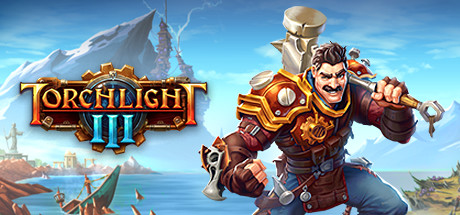
Fluid, engaging, and improved combat: The game features fluid, fast-paced, and engaging combat with responsive controls, diverse skills, and satisfying impact. Many reviewers found the combat enjoyable, especially on higher difficulties, and noted its improvement over previous titles. The game also offers a great co-op experience.
Improved, vibrant, and stylish graphics: The game boasts significant graphical improvements with a vibrant, colorful, and stylish art style. Reviewers noted the visuals as a strong positive, with smooth performance and well-designed controls. Some found the graphics to be a bit overwhelming at times.
Unique classes enhance replayability: The game offers a variety of unique and interesting character classes, each with distinct playstyles and abilities, enhancing replayability. Some reviewers highlighted specific classes like the Railmaster and Forge for their innovative mechanics and themes.
Generally enjoyable experience: These clusters express general enjoyment of the game, but lack specific details. The points are too vague to be highly informative.
Satisfying loot and progression system: The game features a well-designed and satisfying loot system with balanced leveling and character progression. Reviewers appreciated the sense of power and the variation in skills and gear, which allowed for experimentation with different builds. Some found the loot grind to be mindless fun.
Common complaints
Repetitive, shallow, and lacks depth: Reviewers frequently describe the game as repetitive and lacking depth. This includes repetitive environments, quests, and enemies, as well as a shallow story and uninspired level design. Many feel the game quickly becomes boring and fails to provide a compelling or immersive experience.
Numerous bugs and server issues: Numerous reviewers report encountering bugs, glitches, and server issues. These range from minor annoyances to game-breaking problems that prevent mission completion or cause crashes. Some reviewers indicate that these issues have persisted since early access or beta, suggesting a lack of attention from the developers.
Simplified, clunky, and uninspired mechanics: Reviewers criticize the game's mechanics as being simplified, clunky, and lacking impact. This includes character progression, skill systems, and combat, with many feeling that the game lacks depth and build diversity. Some reviewers feel the game's systems are uninspired or even broken.
Unbalanced difficulty, one-shot deaths: Several reviewers mention unbalanced difficulty, with some areas being too easy while others feature enemies that can one-shot the player. This inconsistency makes progression frustrating and undermines the sense of accomplishment. Some maps are incompletable due to missing items or mobs.
Overpriced for poor quality: Many reviewers feel the game is overpriced for its quality and content. Some compare it unfavorably to mobile games or other ARPGs, suggesting it doesn't offer enough value for the asking price. Some reviewers express regret over their purchase, feeling it was a waste of money.
Gameplay and performance
Relic system lacks synergy: The Relic system introduces a third skill tree, offering build customization. However, the limited synergy with base classes and the perceived power of Relic skills can overshadow the original class skill trees, making the system feel somewhat disjointed.
Repetitive, linear quest design: The game's quest structure is linear and repetitive, resembling mobile game design. Players pick up quests with minimal context, travel to a location, defeat a monster, and return to the NPC, which some reviewers found unengaging.
Legendarium system enhances customization: The Legendarium system allows players to extract legendary powers from items, similar to Kanai's Cube in Diablo 3. This system lets players retain weapon bonuses and unlock passive skills, enhancing character customization.
Extensive pet and companion system: Many classes can utilize multiple pets and companions, each with unique skills that can be unlocked. Players collect pets throughout the game and equip up to four abilities from rescued pets, adding a layer of customization to combat.
Fazeer's is endgame content: Fazeer's is the endgame content, similar to Greater Rifts, consisting of tiers with dungeons and a boss fight. Mapworks are scrolls that open portals to dungeons with positive and negative affixes, similar to Fazeer's but easier.
Inconsistent reports of bugs/performance: Reports regarding bugs, crashes, and optimization are highly inconsistent. Some players report frequent and severe issues like lag, stuttering, crashes, and getting stuck, even on high-end PCs. Others experience smooth performance with few or no issues. This inconsistency suggests potential hardware or configuration dependencies.
Lag, stuttering, rubber banding issues: Several players mention lag, stuttering, and rubber banding, which significantly impacts responsiveness and gameplay. These issues manifest as delays in skill execution, hit detection problems, and general unresponsiveness, even with good hardware. The rubber banding specifically points to netcode issues.
Frequent server crashes/disconnections: Players report frequent server crashes and disconnections, sometimes requiring VPNs to connect. These issues disrupt gameplay and can occur frequently, sometimes as often as every 20 minutes. Server instability is a recurring concern.
Minor graphical/functional bugs: Several minor graphical and functional bugs exist. These include highlighting issues, UI flickering, missing pets, and glitched shop items. While not game-breaking, these issues detract from the overall polish.
Map and aspect ratio bugs: The game has a bug where the map gets stuck on the left side of the screen. Additionally, the game's locked aspect ratio causes the screen to zoom in on 32:9 monitors, reducing the visible area compared to 16:9 monitors.
Recommendations
Inferior to previous Torchlight games: Many reviewers feel Torchlight III fails to live up to the standards set by its predecessors, particularly Torchlight II. They recommend playing other ARPGs instead, including Torchlight II, Path of Exile, Grim Dawn, and Diablo series. Some reviewers suggest the developers have abandoned the game.
Only worth it on sale: A common sentiment is that Torchlight III is only worth purchasing at a significant discount. Some reviewers provide specific price points they deem acceptable. This suggests the game's perceived value does not align with its full price.
Suitable for casual players: Some reviewers find the game enjoyable for casual players or those new to the ARPG genre. It's seen as a less demanding and more accessible experience compared to other games in the genre.
Frustrating life-bound items mechanic: One reviewer uninstalled the game due to the 'life-bound items' mechanic and hopes it will be removed. This suggests that this mechanic is particularly frustrating for some players.
Relic system limits build freedom: The relic system is criticized for forcing players into specific playstyles based on weapon requirements. This limits build diversity and disadvantages players who prefer certain effects or weapons.
Other review notes
Unfinished, abandoned, lacks soul: Many reviewers feel the game is unfinished, abandoned, and not living up to its potential or the Torchlight name. Some believe it was originally intended as a mobile game or MMO, and its shift in development has resulted in a lack of content and soul. The negative sentiment is amplified by the fact that the game was released as an early access title for a significant price.
Poor Brazilian Portuguese translation: The game's Brazilian Portuguese translation contains errors and inconsistencies, with some parts remaining untranslated or mixing English and Portuguese. This negatively impacts the player experience for Portuguese-speaking players.
Mobile design, no modding: Reviewers note the lack of mod support compared to previous titles and the UI/design choices, leading them to believe the game was initially designed for mobile platforms. This perceived shift in design focus has disappointed some fans of the series.
Cartoonish style, younger audience: The game features a cartoonish art style that some find appealing, while others view it as a departure from the darker, more gothic visuals typical of Diablo-like games. Some reviewers feel the style is catered to a younger audience.
Achievements are grindy, doable: The game includes Steam achievements and trading cards. Collecting achievements was rewarding, though grindy but doable.