- Improved graphics and atmosphere
- Engaging and complex narrative
- Meaningful choices and consequences
- High replayability
- Repetitive and grindy gameplay
- Unsatisfying endings
Emotions
What players like:
Common complaints:
Gameplay feedback:
Performance notes:
Recommendations:
Other player notes:
Similar games
Blend with other games
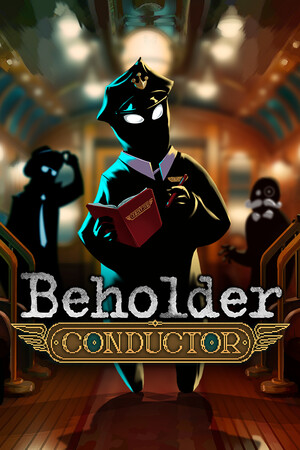


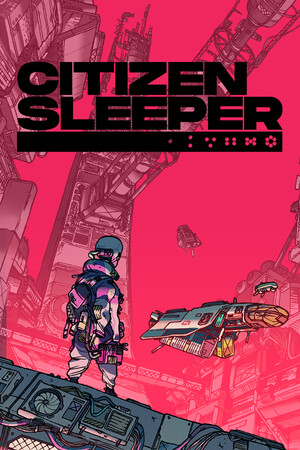


Review evidence
Why players say this
Review evidence
Why players say this
What players like
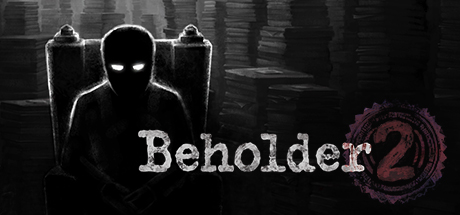
Improved graphics and atmosphere: The game has transitioned to 3D graphics, enhancing the visual style and creating a more immersive and atmospheric experience. The dark and oppressive tones effectively convey the game's themes.
Engaging and complex narrative: The game features an interesting and well-developed plot with unexpected twists and morally challenging choices. It includes references to the first part and expands on its lore, creating a captivating and immersive storyline.
Meaningful choices and consequences: Player choices have significant impacts on the story and characters, leading to multiple endings and a high level of replayability. The game emphasizes moral dilemmas and strategic decision-making.
Rich character development: The game features well-developed characters with detailed backgrounds and unique histories. Character interactions and choices significantly impact the story.
High replayability: The game offers multiple endings and a variety of choices that affect the story, encouraging players to replay the game to explore different outcomes and experiences.
Common complaints
Repetitive and grindy gameplay: The gameplay involves a lot of repetitive tasks such as stamping papers, walking back and forth, and grinding for money. These tasks can become tedious and boring over time, leading to a less engaging experience.
Poor save system: The save system is criticized for being too basic, with no option to rename saves. Some choices can directly break the save file, leading to frustration and lost progress.
Unsatisfying endings: The endings are seen as unsatisfying with little variability. Some endings feel forced or reveal too much, reducing the mystery and impact of the player's journey.
Complex and unclear mechanics: Some mechanics are overly complex and not intuitive. The sorting systems and hints could be clearer, leading to confusion and frustration.
Disappointing transition to 3D: The transition from 2D to 3D is seen as disappointing. The graphics and character models are criticized for being worse than the first part, affecting the overall experience.
Gameplay and performance
Time management and resource allocation: Time is a crucial resource that players must manage wisely. The game involves balancing time between various tasks and activities, with no time limits but a need for strategic planning.
Career progression and office tasks: The game focuses on career progression within a ministry, involving repetitive office tasks such as stamping papers, filling out documents, and managing daily routines. Players must navigate office politics, make ethical choices, and complete various bureaucratic tasks to advance their careers.
3D graphics and gameplay: The game transitions from 2D to 3D graphics, offering a new visual experience. This change includes a shift in gameplay mechanics and perspective, providing a more immersive environment.
Investigation and intrigue: Players can investigate colleagues and bosses, complete side quests, or frame others to advance their careers. This involves gathering evidence, making strategic decisions, and navigating office intrigues.
Mini-games and repetitive tasks: The gameplay includes various mini-games and repetitive tasks that simulate office work. These tasks can become grindy but are essential for progression and achieving certain goals within the game.
Graphics quality issues: Players have reported poor graphics quality, particularly in some cutscenes and a low-polygon model in one of the endings. Additionally, the game has low PC requirements, which might affect the overall visual experience.
Bugs and texture issues: There are reports of various bugs and texture issues throughout the game. These issues seem to be episodic but affect the overall gaming experience.
Performance and interaction slowness: Some interactions within the game are reported to be slow, and there are 3D performance issues causing slowdowns. This affects the smoothness of gameplay.
Long commute paths: There are complaints about the long path from home to workplace within the game, which can make the game feel tedious.
Recommendations
Worth the purchase: The game is considered worth its money and is recommended for purchase, especially during sales. It offers a good volume of content and is seen as a good investment for players.
Recommended for fans of narrative-driven games: The game is highly recommended for those who enjoy narrative-driven games with moral choices, dark anti-utopias, and rich world-building. It is particularly suited for fans of dystopian themes and complex decisions.
Recommended for fans of the series: The game is recommended for those who have played the first part and are familiar with the series. It is suggested to play the first part and specific DLCs for a better experience.
Great for fans of specific game types: The game is highly recommended for fans of games like Papers, Please! and those who enjoy dark, atmospheric games with moral dilemmas.
Positive anticipation for future content: Players express excitement for future developments in the universe and upcoming content, indicating a strong interest in the game's continuity.
Platform notes
Steam Deck: The analysis of user feedback reveals significant issues with controller support and game stability. Users have reported problems with Xbox controllers and frequent crashes, which severely impact the gameplay experience. Additionally, there are mentions of language and localization issues that may affect non-English speaking users. These technical barriers contribute to a less than optimal user experience on the Steam Deck.
Extra review signals
External guides: The user feedback for Wiki Tax indicates several key issues. The most prominent theme is the complexity of the game mechanics, which often requires players to refer to external guides to progress. Additionally, there are significant concerns about inventory management and economic pressures within the game. These issues collectively impact the user experience negatively, making the game challenging and sometimes frustrating to play.
Other review notes
Manual save management needed: Players are advised to manually save copies of their savegames, indicating potential issues with the game's save system.
Extensive reading required: The game involves a significant amount of reading, which may be overwhelming for some players.