- Significant improvements over predecessor
- Accessible and casual gameplay loop
- High replayability with content variety
- Bleak and unrewarding narrative
- Repetitive and shallow gameplay mechanics
- Frustrating RNG mechanics present
Emotions
What players like:
Common complaints:
Gameplay feedback:
Performance notes:
Recommendations:
Other player notes:
Similar games
Blend with other games






Review evidence
Why players say this
Review evidence
Why players say this
What players like
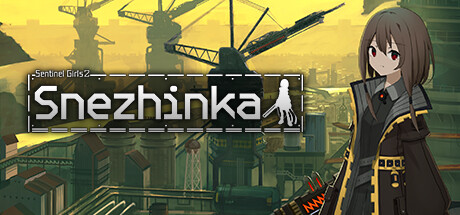
Significant improvements over predecessor: The sequel refines nearly every aspect of the first game, including gameplay mechanics, UI, visuals, and storytelling. Players highlight smoother controls, better weapon balance, improved graphics, and a more polished experience overall. These enhancements make the game feel like a natural evolution rather than a mere sequel.
Accessible and casual gameplay loop: The game is praised for its simple, easy-to-grasp mechanics, forgiving difficulty, and short playthroughs (around 30 minutes). This makes it highly accessible for casual players or those new to the genre, while still offering replayability through upgrades and multiple endings. The balance between simplicity and depth is a key strength.
High replayability and content variety: The game offers extensive replay value through multiple endings, unlockable characters, weapon combinations, and challenge modes. Players appreciate the variety in gameplay (e.g., different weapons, companions, and level mechanics) and the incentive to explore all story paths. This depth keeps the experience fresh despite its short length.
Cute and well-developed characters: The game’s characters are universally praised for their distinct personalities, expressive animations, and endearing designs. Players highlight the attention to detail in character interactions, backstories, and dialogue, which adds emotional depth and replayability. The contrast between the cute aesthetic and dark narrative is particularly compelling.
Engaging dystopian world-building: The game’s bleak yet charming dystopian setting is a standout feature, praised for its immersive lore, character designs, and atmospheric storytelling. The contrast between the grim world and endearing characters creates a unique tone that resonates with players. The world-building is deeper and more refined than in the first game.
Common complaints
Bleak and unrewarding narrative: The game's story is consistently described as dark, bleak, and emotionally taxing, with a lack of redemption, hope, or satisfying conclusions. Players find the narrative underdeveloped, repetitive, and overly grim, which may alienate those seeking lighter or more uplifting experiences. The tone and execution of the story are major pain points for many reviewers.
Short playtime and limited content: The game is described as too short, with many players completing it in under two hours. The lack of substantial side content, meaningful endings, or replayability makes the experience feel incomplete or not worth the effort for full completion. This is a significant concern for players expecting a longer or more immersive experience.
Shallow character development: Characters are described as generic, shallow, or relying on clichéd tropes. The lack of depth in character interactions, motivations, and backstories makes it difficult for players to connect with them. This is particularly disappointing given the emotional weight of the story.
Repetitive and shallow gameplay: The gameplay loop is criticized for being monotonous, lacking depth, and offering limited variety. Players note that the mechanics feel repetitive, with minimal innovation or meaningful progression compared to the previous installment. The lack of endgame content and replayability further exacerbates this issue.
Frustrating RNG mechanics: The game relies heavily on randomness for progression, card draws, and unlocking content. This leads to frustration, especially when trying to achieve 100% completion or specific endings. The lack of control over RNG elements makes the experience feel unfair or tedious.
Gameplay and performance
Core gameplay: defense shooter hybrid: The game blends side-scrolling shoot 'em up mechanics with tower defense elements, where players defend objectives (e.g., bases, gates, or energy facilities) from waves of robotic enemies. This core loop involves movement, shooting, and strategic use of defensive tools like turrets or drones, often in a roguelike or roguelite structure.
Roguelike and progression systems: The game employs roguelike or roguelite mechanics, including permadeath, procedural elements, and run-based progression. Players earn credits or cards between waves to purchase upgrades, weapons, or allies, with some stats persisting across playthroughs. Late-game builds focus on weapon/gadget synergies.
Expanded weapon and ability variety: The game introduces a wider range of weapons, gadgets, and character abilities compared to its predecessor. Players can upgrade stats, unlock new weapons (e.g., machine guns, shotguns, grenade launchers), and use disposable or cooldown-based gadgets (e.g., blue/green gadgets) to adapt their playstyle. Unique character classes and weapon mastery systems add depth.
Story and multi-ending structure: The game features a dystopian narrative with multiple endings, including a 'true ending' and character-specific routes. Players must complete various endings (e.g., co-worker or partner routes) to unlock the full story, with flashbacks and epilogues accessible post-completion. The sequel continues the story of the previous game, focusing on a protagonist searching for their sister.
Companion and social systems: Players can recruit and interact with companions (e.g., co-workers or partners) during downtime segments, such as barracks or dormitory scenes. Companions have unique abilities, dialogue, and dynamic interactions (e.g., CG images or date-based scenes), and their selection influences story outcomes and gameplay synergies.
Diverse technical bugs: Beyond freezing, players highlight additional bugs such as story progression jumps, attribute resets, missing images, and black screens. These issues suggest systemic technical flaws affecting multiple aspects of the game.
Good performance on low-spec PCs: Despite technical issues, the game runs smoothly on relatively low-specification PCs, indicating efficient optimization in some areas. This is a positive note for players with older hardware.
Recommendations
Highly recommended with sequel excitement: The majority of players strongly recommend the game, often citing its value, storytelling, and enjoyable gameplay. Many express excitement for a potential sequel and encourage others to play the first game for better context. This feedback is constructive and specific, highlighting the game's strengths and appeal to fans of the series.
Niche appeal for specific audiences: Some players note that the game is not for everyone and recommend it primarily to fans of roguelite shooters, dystopian settings, or specific aesthetics (e.g., pixel-style characters). This point highlights the game's niche appeal and helps set expectations for potential players.
Play previous game for full context: Multiple players emphasize the importance of playing the first game in the series to fully appreciate the story, lore, and emotional impact of this sequel. This point is frequently mentioned and is highly specific to the player experience.
Best purchased during sales: Several players recommend buying the game during a sale due to its short length or to maximize value. This feedback is actionable and reflects a common sentiment about pricing and playtime.
DLC and expansion interest: Some players express interest in the DLC soundtrack or future expansions, though this feedback is sparse. It suggests potential areas for future content development but lacks specificity or frequency to be a high-priority point.
Other review notes
Strong narrative and character depth: Players consistently highlight the game's emotionally engaging story and memorable characters, particularly their connections to the first game. The narrative's bleak yet impactful tone and multiple endings contribute to its depth, though some players express frustration with the lack of happy resolutions. The story's standalone accessibility is praised, but prior knowledge of the prequel enhances immersion.
Mixed emotional reception: While many players praise the game's emotional impact and character moments, others find the bleak story and endings frustrating or overly dark. Some reviews include humorous or hyperbolic reactions (e.g., questioning the writer's psychological state), reflecting the polarizing nature of the narrative. This feedback is based on subjective emotional responses rather than constructive critique.
Sequel setup and fan anticipation: The game's story directly continues from the first game's true ending, setting up a potential third installment. Players express strong anticipation for future entries, particularly regarding character fates (e.g., Martha) and unresolved conflicts. The developer's engagement (e.g., tweets) and Easter eggs (e.g., typos, concept art) fuel community excitement.
Balanced difficulty and mechanics: The game offers a range of difficulties, with Normal being accessible and Hard providing a significant challenge. Players appreciate the evolution of mechanics from the first game, though some feel luck-based elements or underdeveloped systems detract from the experience. The gameplay's simplicity is balanced by its narrative weight.
Affordable and value-packed: Players widely agree the game is worth its full price (typically $5-$8), offering a complete experience despite its short length. The inclusion of multiple endings, achievements, and unlockable content adds value, though some note the lack of voice acting as a minor drawback.