- Innovative time manipulation mechanics enhance gameplay
- High-quality voice acting and immersive audio
- Unique immersive theater storytelling experience
- Exceptional narrative with independent characters
- Technical instability and frequent bugs reported
- Extremely limited interactivity and short playtime
Emotions
What players like:
Common complaints:
Gameplay feedback:
Performance notes:
Recommendations:
Other player notes:
Similar games
Blend with other games




Review evidence
Why players say this
Review evidence
Why players say this
What players like
Innovative time manipulation mechanics: The rewind, fast-forward, and pause mechanics are frequently cited as intuitive and game-changing. These features allow players to explore events non-linearly, track character movements, and uncover hidden details, significantly enhancing immersion and gameplay depth.
High-quality voice acting and audio: The voice acting is consistently described as excellent, with clear emotions, accents, and professional delivery. Sound design and atmospheric audio further immerse players, contributing to the game’s cinematic feel and emotional impact.
Unique immersive theater experience: The game blends interactive theater with VR, creating a living world where characters perform continuously. Players feel like invisible observers, akin to watching a murder mystery play from multiple angles, with a lavish setting and realistic character reactions.
Exceptional storytelling and narrative: The game is praised for its well-executed, engaging, and immersive story with intertwined narratives, emotional depth, and Agatha Christie-style mystery. Players highlight strong character development, foreshadowing, and multiple perspectives that enhance replayability.
Independent and realistic characters: Characters have well-developed motivations, secrets, and schedules, making the world feel alive. Their interactions and reactions—even when not directly observed—add depth to the narrative and create a dynamic, believable environment.
Common complaints
Technical instability and bugs: Frequent crashes (especially in VR), texture glitches, audio failures, and unplayable conditions due to unresolved issues are widely reported. Some players cannot even boot the game without manual adjustments.
Extremely limited interactivity: Players report zero control over characters, plot, or environment, reducing the experience to passive observation. This makes the game feel more like a movie than a traditional game, disappointing those expecting gameplay mechanics.
Unsatisfying and weak endings: Multiple clusters highlight the endings as anticlimactic, underwhelming, or leaving unanswered questions. Even the 'true ending' is criticized for being bizarre or lacking resolution.
Short playtime and low replayability: The game offers only 2 hours for a single playthrough and 8-9 hours for full completion, with little incentive to replay. This is frequently cited as a major drawback given the retail price.
Overpriced for content provided: Players consistently argue the game is not worth its full price (e.g., €35) due to its short length, lack of replayability, and limited interactivity. The steep cost is a recurring complaint.
Gameplay and performance
Non-linear storytelling with perspectives: The narrative unfolds from multiple character perspectives, allowing players to explore events non-linearly. This replayability is enhanced by rewinding, fast-forwarding, and revisiting scenes from different angles.
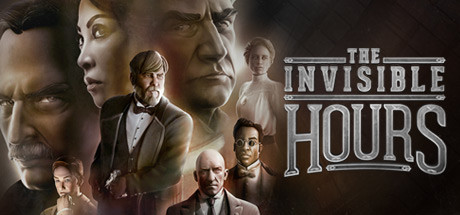
Murder mystery narrative: The game revolves around a murder mystery set in a mansion, featuring historical figures like Tesla and Edison. Players act as an invisible detective, following suspects and eavesdropping on conversations to solve the crime.
VR and non-VR immersion: The game supports both VR and non-VR modes, enhancing immersion through spatial movement, room-scale exploration, and interactive diary entries. VR is optional but adds depth to the observational experience.
No traditional gameplay elements: The game lacks combat, puzzles, or timed challenges, focusing instead on passive observation, storytelling, and exploration. This makes it more akin to an interactive film or visual novel.
Historical setting and characters: The story is set around the turn of the 19th century and features historical figures like Nikola Tesla, Thomas Edison, and Sarah Bernhardt, adding depth to the murder mystery narrative.
Aging graphics with clarity issues: Players report blurry visuals, low texture resolution, and anti-aliasing problems (e.g., TAA blur) even at Ultra settings. Some note improvements after adjusting settings or restarting the game, but defaults are suboptimal.
Audio failures and spatialization: Dialogue audio is missing or inaudible outside VR, with spatialization issues (e.g., Oculus Rift). Restarts are often required to fix sound problems, including NPC voice failures.
Limited VR locomotion options: Teleportation is the only supported movement method in VR, with no alternative locomotion systems (e.g., smooth movement). This restricts player freedom in VR mode.
Desktop mode stability issues: The non-VR version crashes frequently, with some players finding it unplayable. Others report mouse movement triggering crashes, though screen-only play works for some users.
Map and UI glitches: The map screen displays incorrect markers (e.g., in impossible locations) and wrong chapter indicators. These bugs disrupt navigation and progression tracking.
Recommendations
Ideal for narrative-driven fans: The game is highly recommended for players who enjoy story-heavy, character-driven experiences, particularly fans of murder mysteries, detective novels, and walking simulators. It appeals to those who prioritize immersive storytelling over interactivity.
Best experienced at discount: Many reviewers suggest purchasing the game at a discounted price (e.g., 17€) due to its short length and limited replayability. Full price (35€) is often deemed too high for the content provided.
Accessible to diverse audiences: The game is praised for its accessibility, including suitability for non-English speakers (via translation tools), English learners (clear subtitles), and non-gamers who enjoy theater or mysteries. VR enthusiasts also highlight its unique appeal.
VR innovation needs expansion: Reviewers express a strong desire for more VR content like this, with some even considering repurchasing on other platforms (e.g., Oculus) to avoid technical friction. The format is seen as groundbreaking for immersive storytelling.
Early audio issue checks advised: Players recommend testing the game for audio problems within the first 10 minutes to avoid frustration later. This suggests potential technical inconsistencies that could impact immersion.
Other review notes
Unique narrative style comparisons: Players frequently compare the game to interactive movies, 3D films, and other story-driven experiences, noting its experimental approach to storytelling. This highlights its distinct identity in the gaming market but also underscores challenges in standing out.
Developer recognition struggles: Reviews mention the developer's difficulties with sales and visibility, citing factors like VR stigma and competition. This reflects broader industry challenges for niche or innovative titles.
Thematic depth and achievements: The game’s exploration of voyeurism and narrative control is praised, along with achievements that enhance plot understanding. This adds replay value and depth for engaged players.
Comparison to *The Sexy Brutale*: Fans of the developer’s previous work draw parallels to *The Sexy Brutale*, indicating brand loyalty but also expectations for consistency in innovation and storytelling.
Need for more unique settings: Players suggest expanding the game’s settings to improve appeal and differentiation. This feedback targets long-term player retention and marketability.