- Addictive solitaire card experience
- Unique solitaire-RPG hybrid gameplay
- Easy to learn and play
- High replayability across runs
- Overwhelming RNG dependency hurts
- Repetitive and stale gameplay
Emotions
Archetypes
What players like:
Common complaints:
Gameplay feedback:
Performance notes:
Recommendations:
Other player notes:
Similar games
Blend with other games




Review evidence
Why players say this
Review evidence
Why players say this
Steam review verdict
An addictive solitaire-RPG hybrid that is easy to learn with high replayability, though heavy RNG dependence and repetitive runs can make it feel stale.
What players like
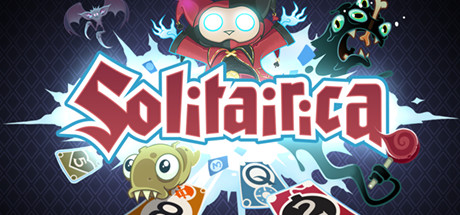
Addictive Solitaire Experience: Players find the solitaire core highly addictive and fun, often preferring it over traditional solitaire. The game captures the simple appeal of solitaire while adding engaging twists.
Unique Solitaire-RPG Hybrid: The combination of solitaire with RPG and roguelike elements is praised as unique and well-executed. Players enjoy the strategic depth added by character classes, skills, and enemies.
Easy to Learn and Play: The gameplay is simple to pick up, making it accessible and relaxing for casual play. Many appreciate its laid-back nature and streamlined mechanics.
High Replayability: The game offers high replay value with varied runs, keeping each playthrough fresh and engaging. This is frequently highlighted by reviewers.
Charming Art and Graphics: The art style, animations, and sound effects are praised as charming, cute, and well-crafted. The visual presentation enhances the overall experience.
Common complaints
Overwhelming RNG dependency: The game is widely criticized for being dominated by randomness, to the point where skill matters little and runs are decided by luck. Players describe the RNG as unfair, punishing, and inescapable.
Repetitive and stale gameplay: Players find the game repetitive after several runs, with the same enemies and sequences repeating each time. Gameplay quickly becomes monotonous.
Grindy progression loop: Progression through decks and upgrades is painfully slow, with very little reward for the time invested. Upgrading a single deck requires excessive grinding.
Missing cloud save support: The game lacked Steam Cloud saves for a long time and was poorly implemented. Players lose progress when switching computers.
Slow, clunky animations: The gameplay feels tediously slow, and even the fast animation setting does not fix the delays. Poor animation pacing drags down the overall experience.
Gameplay and performance
Solitaire core gameplay: The game is fundamentally a solitaire card game, with most players identifying it as a solitaire variant such as Golf solitaire. Core mechanics involve clearing cards by playing one rank higher or lower than the current card.
Roguelike structure with runs: The game is structured around repeated runs, each consisting of 18 battles followed by a boss. Losing a run restarts from the beginning, though some meta-progression persists.
RPG and deckbuilding elements: Beyond solitaire, the game incorporates RPG-style progression, deckbuilding, and collectible card game mechanics. Players unlock and upgrade decks with distinct abilities and characteristics.
RNG and luck-based outcomes: Random card draws heavily influence gameplay, with outcomes often determined by RNG rather than player decisions. Bad draws can cause runs to fail, though skill still matters.
Spells and items system: Players acquire and cast spells using energy generated from card suits, and can buy items and spells between battles. Spells have varying costs and effects.
Frequent crashes and stability issues: Multiple reports describe crashes to desktop, including fatal errors and occasional crashes on Steam Deck and version 1.0.3. Turn-based and relaunch-based saving usually restores progress, which mitigates the impact.
Poor performance and hardware strain: Users report low frame rates, input lag, and system-wide lag on modest hardware. The game also heats PCs more than comparable titles and consumes unexpectedly high memory for simple graphics.
Poor PC and Deck controls: Default controls are criticized, with a mobile-style tap interface unsuitable for PC and no customization options. Rebinding buttons and using the Steam Deck trackpad as a mouse reportedly improves the experience.
Mouse cursor misalignment problems: The cursor is reported to be offset by several inches, making the game unplayable, and lowering the resolution to 1280 appears to fix it. Other windowed-mode cursor issues include the cursor not leaving the window or disappearing.
Windowed mode and exclusive control issues: The game takes exclusive control even in windowed mode, locks the mouse cursor unnecessarily, and can break sound completely when tabbing out. Together these make windowed play frustrating.
Recommendations
Ideal for solitaire enthusiasts: Many reviewers recommend the game specifically for players who enjoy solitaire, often noting it's a solid pick for fans of the genre. Some caution that pure solitaire purists may not appreciate the twists.
Wait for a discount: A recurring sentiment is that the game is best purchased on sale, with many reviewers advising to wait for a discount or a cheap bundle. Some consider it not worth the full price.
High praise and recommendations: Several reviewers give strong, unconditional recommendations, calling it the best solitaire game or a must-try for fans of card games and roguelikes. Some describe it as an easy recommendation or the best purchase in a long while.
Mixed feelings on value: While some find the game worth the investment, others feel it's only worth it at a lower price or on sale. A few are outright negative about its value.
Worth the price: Several reviewers feel the game is worth its price, with some even saying it's worth full price. Others find it a great value, especially at a low price.
Buying context
Community fair range: $5.00 - $10.00.
Game completion: 12.0h.
Session length: 0.5h.
Endgame: 36.0h.
Solitairica is often called addictive, but a meaningful share of players describe an initial slog before meta-progression and additional classes make it click.
Friction: Slow start with few abilities and boring early monsters; First hours described as a total slog; Tedious, long combat animations and slow pacing; Repetitive early enemies and repeated sequences; High RNG and balance swings that can make runs feel unfair; Grindy progression.
Unlock drivers: Unlocking a few new classes; Meta-progression upgrades and unlocking new decks/power-ups; Becoming stronger after losses through gems and persistent upgrades.
Player profiles
Casual Solitaire Relaxer: Occasional short sessions, often on phone or tablet, avoiding hardcore strategy and permadeath. Motivation: To unwind with familiar solitaire-style card play in short, low-pressure sessions. Stance: sale.
Roguelite Deckbuilding Enthusiast: Repeated runs, deck construction, min-maxing, and adapting to random card draws and enemy traits. Motivation: To build decks and optimize skill combos across repeatable roguelite runs. Stance: buy.
Grind-Weary Value Critic: Plays multiple runs, evaluates progression and balance, and waits for discounts before committing. Motivation: To find a deep, replayable card/roguelite experience that justifies its price and grind. Stance: deep sale.
Platform notes
Steam Deck: Steam Deck feedback is mixed but mostly playable. Users praise performance and some controls, yet some need trackpad or mouse configuration, report occasional crashes, and cite missing cloud saves that were later reportedly added. No Proton toggle, launcher barrier, anti-cheat error, or unreadable UI issue appears in the evidence.
Linux and Proton: The available feedback is mostly positive for Steam Deck/Linux-adjacent play: users say the game runs well on Steam Deck and PC and is fun on Deck. There is one isolated report of occasional Steam Deck crashes, but it is described as infrequent and minor. No reviews mention Proton version switching, launch commands, driver workarounds, anti-cheat blocks, launcher failures, or other Linux-specific setup problems.
Extra review signals
Monetization: The reviews mention an in-game premium-currency economy, lives, and store manipulation, but none provides direct evidence that this game sells real-money currency, paid power, loot boxes, a battle pass, or a cash shop. One review explicitly says the pay-to-win portion was removed, and progression is described as earning premium currency through play. Other complaints concern the mobile-port origin, base price, and developer reputation, which are outside the MTX evidence threshold.
External guides: The feedback centers on windowed-mode and alt-tab technical problems, such as broken sound, cursor glitches, and window resets, while also praising dual-monitor friendliness. No review evidence mentions farming, drop rates, inventory management, crafting requirements, quests, builds, secrets, or mechanics, so the complaint falls into the Tier 4 technical/bug category.
Other review notes
Mobile port with free Android version: Reviewers repeatedly note the game is a mobile app ported to Steam, with a free-to-try Android version available. The Steam version is paid while the mobile version is freemium.
Frequent comparisons to Slay the Spire: Players compare the game to Slay the Spire, Monster Train, Inscryption, and Balatro, often favorably for offering similar enjoyment. Some prefer Balatro's mature vibe over this game's cutesy style.
Comparisons to Faerie Solitaire: Reviewers compare the game to Faerie Solitaire, noting shared solitaire mechanics but different directions. One calls Faerie Solitaire relaxing while this game is a difficult roguelike.
Steam Cloud support added later: Steam Cloud saves were initially missing but were eventually implemented after developer response. Some reviews still mention the lack of Steam Cloud support.
Easy to grasp solitaire gameplay: The game is described as easy to grasp like Windows Solitaire, with a fun twist on classic solitaire. It is also compared to Fairway golf solitaire.