- Strong graphics and visuals
- Effective jump scares
- Highly entertaining gameplay
- Flashlight battery drains too fast
- Poor optimization widely reported
- Frequent Outlast comparisons
Emotions
Archetypes
What players like:
Common complaints:
Gameplay feedback:
Performance notes:
Recommendations:
Other player notes:
Similar games
Blend with other games


Review evidence
Why players say this
Review evidence
Why players say this
Steam review verdict
Strong graphics, effective jump scares, and entertaining gameplay make it fun, but fast-draining flashlight batteries, poor optimization, and constant Outlast comparisons hold it back.
What players like
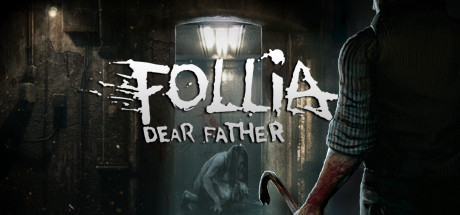
Strong graphics and visuals: Reviewers frequently praise the graphics as beautiful, smooth, and well lit. Visual quality is one of the most consistent positives across feedback.
Effective jump scares: Jump scares land well and keep players on edge without feeling excessive. Reviewers highlight them as a key part of the horror experience.
Highly entertaining gameplay: Players describe the game as very enjoyable, engaging, and well made. Most consider it a fun and captivating experience overall.
Fantastic atmosphere: The atmosphere is repeatedly called fantastic, spectacular, and well achieved. It is a core strength that immerses players in the experience.
Engaging story: The story is considered interesting and motivating, keeping players invested. Multiple reviewers highlight it as a reason to continue playing.
Common complaints
Flashlight battery drains too fast: Players report the flashlight battery depletes in just a few minutes, often leaving them in darkness. This frequent loss of vision is a major frustration point.
Poor overall game quality: Multiple reviews describe the game as mediocre, with low playability and not great overall. This reflects a widespread dissatisfaction with the core experience.
Game fails to start: Some players cannot get past the save selection screen, rendering the game unplayable. This is a critical technical issue.
Terrible controls: Reviewers consistently criticize the controls as disastrous and poor, impacting basic gameplay. This is a fundamental issue affecting playability.
Stamina system unrealistic: The protagonist gets out of breath after only a few steps, making movement feel sluggish and unrealistic. This hampers exploration and escape sequences.
Gameplay and performance
Flashlight battery management: Players must manage a flashlight that runs on scarce batteries, using a lighter as a secondary light source. This resource constraint adds tension to exploration.
Jump scares and horror atmosphere: The game employs jump scares alongside sustained tension and horror set pieces to create a frightening experience. These elements are central to its horror identity.
Darkness and limited lighting: The game relies heavily on darkness and limited lighting to create tension. Monsters lurk in the dark, heightening fear.
Stealth and hiding mechanics: Players must sneak past enemies and hide in shadows to avoid detection. Stealth is a core gameplay element for survival.
Outlast-style horror gameplay: The game is described as similar to the Outlast series, featuring first-person horror with chase sequences and stealth. This comparison highlights its gameplay style.
Poor optimization widely reported: Multiple reviewers describe the game as poorly optimized, with general performance issues across configurations. This is the most frequent complaint and affects overall playability.
Low frame rates and stuttering: Players report low FPS, frequent frame drops, and severe stuttering especially while moving. Even on a 1080Ti at 1080P, scene frame rates remain low.
Graphics glitches with reflections: Enabling reflections causes wall glitches, and players also report easy clipping issues and falling through the map. These visual bugs detract from the experience.
Some report smooth performance: A few players report the game runs fluidly, does not consume many resources, and has no unexpected crashes, contrasting with the majority.
Startup failure with special characters: The game fails to start and gets stuck at the save selection screen when the Steam account name contains special characters. The menu is broken in this scenario.
Recommendations
Strong recommendation for horror fans: Multiple reviewers highly recommend the game to players who enjoy horror, especially those who like scary or spooky experiences. It is praised as a fun and engaging horror title.
Not recommended or refunded: Several reviewers do not recommend the game and some requested refunds. Complaints include inaccurate information and inability to play.
Only worth it on sale: Many reviewers state the game is not worth full price but recommend it at a discount. The value proposition is repeatedly mentioned as a key factor.
Favorable comparison to Outlast and Resident Evil: Reviewers frequently compare the game to Outlast, Resident Evil, and Silent Hill, recommending it to fans of those franchises. Some suggest playing Outlast first or buying it instead.
Atmospheric and immersive with headphones: Reviewers suggest using headphones and playing at night with good sound to enhance the horror atmosphere. The dark atmosphere is highlighted as a strength.
Buying context
Game completion: 5.0h.
Story completion: 5.0h.
Session length: 1.0h.
Players describe a slow, rough opening that gives way to a much stronger experience once the third chapter is reached; early pacing, movement, interaction, and polish issues are the main drags. Some negative late-game reports exist, but the strongest direct evidence supports delayed rather than absent or reversed enjoyment.
Friction: Slow opening; Wonky pacing and unclear pathing; Slow character movement; Fiddly E/use interactions during urgent moments; Lack of polish and clichéd design.
Unlock drivers: Reaching the third chapter, where the game reportedly ramps up.
Player profiles
Outlast-Style Horror Devotee: Methodical stealth evasion, hiding from enemies and managing limited resources while comparing mechanics to genre benchmarks. Motivation: To find a competent stealth-horror experience that fills the gap left by Outlast and similar genre classics. Stance: buy.
Value-Conscious Bargain Hunter: Patient purchasing, waiting for discounts and evaluating content-to-price ratio before committing. Motivation: To get a reasonable horror experience at a price that matches its short length and indie production values. Stance: sale.
Indie Underdog Supporter: Forgiving playthrough that focuses on heart and effort rather than production polish. Motivation: To support passionate small developers and reward ambitious indie horror despite rough edges. Stance: buy.
Platform notes
Steam Deck: The reviews mainly criticize performance and optimization, including frame drops and clipping, frequent loading interruptions, and poor controls. Complaints about the flashlight battery refer to an in-game mechanic rather than Steam Deck hardware drain. There is no explicit evidence of Proton Experimental toggles, external launchers, anti-cheat failures, unreadable UI, or launch failures, so the game appears playable but burdened by friction.
Other review notes
Frequent Outlast comparisons: Reviewers repeatedly compare the game to Outlast, describing it as heavily inspired by, modeled after, or even a clone of that series. Some consider it an inferior imitation while others say it succeeds in its own way.
Made by tiny two-person team: Many reviewers note the game was created by a two-person Italian team with minimal budget, often with Unity. This small-team context is frequently used to frame expectations about the game's limitations and polish.
Very short playtime: Reviewers frequently note the game can be beaten in roughly 2 to 7 hours, with several citing around 4 hours. This short length is a recurring point of discussion about value.
Compared to Resident Evil, Silent Hill: The game is often mentioned alongside classic survival horror franchises like Resident Evil and Silent Hill. Comparisons cover genre influences, cutscenes, door-opening animations, and audience fit.
VR support sold as paid DLC: The VR mode is distributed as a separate paid DLC and requires it to access VR. Some reviewers report the VR support does not work as advertised despite the store description.