- Abundant single-player content
- Beautiful art style
- Unique card game praised
- Game abandoned by developers
- Small and declining playerbase
- Forced online connection single-player
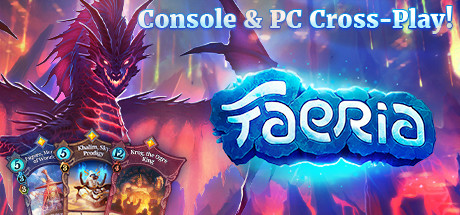
Emotions
Archetypes
What players like:
Common complaints:
Gameplay feedback:
Performance notes:
Recommendations:
Other player notes:
Similar games
Blend with other games




Review evidence
Why players say this
Review evidence
Why players say this
Steam review verdict
Beautiful art and a praised unique card game with abundant single-player content are undermined by forced online connection, developer abandonment, and a small, declining playerbase.
What players like
Abundant single-player content: Players highlight the game's extensive single-player content, providing many hours of solo enjoyment.
Beautiful art style: The game's art style and aesthetic are frequently praised as beautiful and appealing.
Unique card game praised: Many players describe the game as a unique and enjoyable card game with well-made mechanics.
Overall excellence: Many reviewers consider the game excellent, beautiful, and high quality.
Interesting mechanics: The game's mechanics and gameplay are described as interesting, creative, and strategic.
Common complaints
Game abandoned by developers: Players widely report that the game is no longer updated or supported, with development ceasing around 2021. Many describe it as forsaken, abandoned, or abandonware, and note that no new content is planned.
Small and declining playerbase: The player population is consistently described as very low, shrinking, and sometimes virtually nonexistent. This affects all aspects of multiplayer and community engagement.
Matchmaking difficulties due to low population: Finding matches takes a long time, ranging from a few minutes to over 10 minutes, and sometimes fails entirely. This is directly attributed to the small player base and affects both casual and ranked modes.
Forced online connection for single-player: The game requires a constant internet connection even for single-player modes, preventing offline play. This is a major complaint as it means progress and access will be lost when servers eventually shut down.
Game considered dead: Many reviewers bluntly state that the game is dead, with few people playing and no hope for revival. This sentiment often ties into the lack of updates and low player count.
Gameplay and performance
Tactical deckbuilder core gameplay: The game is primarily a tactical deck-building card game where players construct decks and engage in strategic card battles. Deck-building is central, with many deck types and strategic design choices.
Card game with board: Beyond cards, the game features a dynamic board that adds spatial strategy. Players interact with the board, placing cards and units on a grid.
Single-player campaign and modes: A robust single-player experience is available, including a campaign, puzzles, missions, and challenges. Solo play is fully supported without requiring DLC.
Multiple game modes: Various modes are offered, including multiplayer, ranked, co-op, and single-player. This provides variety and caters to different playstyles.
Chess and MTG blend: The game combines elements of chess-like board strategy with Magic: The Gathering-style card gameplay. It is often described as a mix of chess and MTG.
Frequent server connection failures: Players often cannot connect to servers, experiencing repeated disconnections and offline mode. Issues persist even with VPNs, and error messages require restarts.
Server instability causes lag and crashes: Servers frequently lag, crash, or become unreachable, affecting both online and single-player modes. This leads to lost matches and prevents access to the main menu.
Runs smoothly on Steam Deck: Some players report that the game runs perfectly and smoothly on Steam Deck, with minimal lag in menus.
Matchmaking takes too long or fails: Players report matchmaking queues lasting three to four minutes without finding a match, and crashes during ranked games causing disconnections.
Game hangs on loading screens: The game frequently hangs on the 'checking content' screen at startup and loops the starting video, preventing access to content.
Recommendations
Great for card game fans: Many reviewers highly recommend the game to fans of card games, especially those who enjoy deckbuilding and strategic play. It is described as a solid choice for both competitive and casual card game enthusiasts.
Good for casual and simple play: Reviewers recommend the game for those seeking a simpler strategic card game or a casual deckbuilding experience. It is also noted as not pay-to-win and free-to-play friendly.
Strongly recommended overall: Reviewers frequently give strong recommendations to try the game and promote it to friends. The overall sentiment is very positive.
Worth buying on sale: Multiple reviewers suggest that the game is worth purchasing, especially at a discounted price. Some recommend waiting for a sale before buying.
Great for strategy and tactics fans: The game is highly recommended for fans of strategy, tactical board games, and collectible card games. It appeals to those who enjoy deep strategic gameplay.
Buying context
Community fair range: $6.00 - $15.00.
Game completion: 70.0h.
Story completion: 20.0h.
Session length: 0.3h.
Endgame: 100.0h.
Faeria often starts with a mandatory tutorial and early puzzle/mission friction, but many players report it clicks after the tutorial and first few matches as board-building and deck strategy open up. Others find it fun immediately or tire of it after the early hours due to grind, AI, or meta concerns.
Friction: Mandatory, hand-holdy tutorial and interspersed puzzles; Tutorial withholds key mechanics and interrupts gameplay; Steep learning curve for beginners; Early AI opponents can get perfect card order and starter decks struggle; Boss and co-op content is gated; Low multiplayer population can cause long queues.
Player profiles
Strategic CCG Veteran: Builds constructed decks, manages terrain and resources, analyzes the meta, and plays ranked or competitive matches. Motivation: Mastering a deep, low-RNG board-based card game and testing skill in constructed competition. Stance: buy.
Solo PvE Explorer: Plays campaigns, puzzle challenges, co-op bosses, and occasional casual matches instead of focusing on ranked PvP. Motivation: Enjoying varied solo adventures, puzzles, and low-pressure practice while steadily building a collection. Stance: buy.
Budget Collection Builder: Completes daily quests, earns chests and gold, crafts cards, and uses budget or draft modes to grow a collection. Motivation: Building a broad collection and competitive decks without heavy spending or excessive grinding. Stance: buy.
Platform notes
Steam Deck: Faeria has native Linux support, and several users report it runs well on the small Steam Deck screen. However, the audit found significant technical friction: multiple reports of game-breaking bugs and frequent crashes on Ubuntu/SteamOS, cursor and mouse-input failures on some Linux setups, weak touchscreen support, battery drain during short portable sessions, and an always-online requirement. No external launcher or small-text issue was identified in the evidence.
Linux and Proton: Linux feedback is predominantly positive around the native build: several users report that it runs flawlessly on Debian, OpenSUSE, and other distributions. However, a minority report serious Linux-specific problems, including a game-breaking bug on Ubuntu/SteamOS, mouse input failure on Manjaro GNOME, cursor and tutorial bugs, and one blunt complaint about the Linux port. The overall evidence supports a mostly working native Linux version with isolated but real compatibility defects, so the score remains in the minor-to-moderate friction range rather than broken or unsupported.
Extra review signals
Monetization: The review set is mixed: a substantial group says Faeria is fair, non-P2W, and generous with earnable cards. However, multiple detailed reviews confirm real-money booster packs and chests, paid DLC that locks exclusive competitive cards, and progression pressure that pushes spending. Because these are direct real-money monetization and paid-power claims, the evidence passes the Real Money Gate and supports a high predatory monetization score.
External guides: The primary wiki-tax evidence is instructional: users need external wikis, Google, or forums for builds, strategies, quest solutions, and mechanics. No review reports farming locations, drop rates, loot tables, inventory selling anxiety, or crafting requirement spreadsheets. An isolated alt-tab comment is positive and not a navigation or bug complaint. Under the strict priority rules, Tier 3 evidence sets the score.
Other review notes
Favorable comparison to Hearthstone: Reviewers frequently compare the game favorably to Hearthstone, describing it as more fun, strategic, and less money-grubbing.
Expansions and DLC available: The game offers multiple expansions and DLC for purchase, which add new mechanics and cards, and are sold separately or in bundles.
Formerly free, now paid: The game was previously free-to-play but has since transitioned to a buy-to-play model, requiring purchase of the base game.
Small playerbase and community: The game has a small but dedicated playerbase, with many noting a low population that affects matchmaking and overall community size.
Compared to Magic: The Gathering: The game is often compared to Magic: The Gathering, with reviewers noting similarities and differences in gameplay and deck-building.