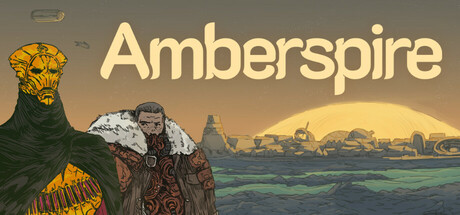
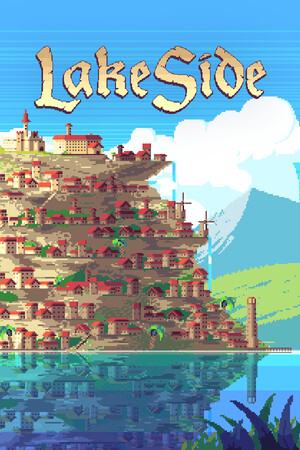
- Stunning and evocative art style
- Deep strategic board game gameplay
- Unique and immersive worldbuilding
- Engaging and unique dice mechanics
- Steep learning curve confusion
- Too easy and short game
Emotions
Archetypes
What players like:
Common complaints:
Gameplay feedback:
Performance notes:
Recommendations:
Other player notes:
Similar games
Blend with other games






Review evidence
Why players say this
Review evidence
Why players say this
Steam review verdict
Stunning art, deep strategic board-game play, immersive worldbuilding, and unique dice mechanics are marred by a confusing learning curve and a game that feels too easy and short.
What players like
Stunning and evocative art style: Players consistently praise the beautiful, melancholic, and ligne-claire inspired visuals that create a unique and spellbinding aesthetic. The art direction is described as gorgeous, moody, and cohesive with the game's theme.
Deep strategic gameplay with board game feel: The game offers a complex, strategic experience that feels like a board game, with interlocking resource chains and meaningful decisions. Players enjoy the challenge of optimizing building placements and managing risk.
Unique and immersive worldbuilding: The setting, often described as Dune via Moebius, is highly original and evocative, with factions and events that feel like real lore. The concept of building on ruins and the strange far-future atmosphere draw players in.
Engaging and unique dice mechanics: The dice-rolling system is frequently highlighted as fun, tactile, and meaningful, with players enjoying the strategic depth it adds. The mechanic is praised for creating a meditative pace and integrating with narrative moments.
Challenging but rewarding gameplay loop: The core loop is easy to learn but offers deep challenges, with a just-one-more-turn feel. Players appreciate the tension and the satisfaction of overcoming obstacles like weather effects.
Common complaints
Initial confusion and steep learning curve: The game has a steep learning curve without a proper tutorial, requiring reading the manual to get past initial hurdles. Controls for picking up dice are unclear, and the first city often goes badly.
Game too easy and short: The game is easy to beat on the first playthrough, with little challenge and a short endgame. Mistakes are not punishing, and there is little replayability.
Camera zoom insufficient: Players find the camera cannot zoom out far enough, making it hard to see the whole city and chase which dice go to which areas. This leads to a claustrophobic feeling.
Lack of emergence and narrative: Players find little emergence or enjoyment when things don't go to plan due to dice rolls or random events. The game is too visually and textually sparse, with shallow lore and no real story.
Building placement frustrating: The tile placement and building radius mechanics are frustrating to learn, requiring careful spacing and fitting multiple radius and workforce requirements. Workforce houses often block desired building spots.
Gameplay and performance
Dice-driven city building core: The game centers on rolling a limited number of dice each turn to generate resources, resolve actions, and expand the city. Building choices determine which dice are available, making dice the primary engine of gameplay.
Weather and random events: Dice rolls and random events, including weather dice, affect outcomes and can trigger adverse effects like fog that deactivates structures. Weather changes day to day and introduces risk.
Board game feel and complexity: Players frequently describe the experience as closer to a board game than a traditional city builder, with high complexity and euro-style mechanics. It leans heavily on board game influences, including tile placement and resource management.
Factions and alien visitors: Factions have a presence in the city and provide bonuses when kept happy, with interactions that grow more significant later. Enigmatic alien visitors have whims and act as modifiers.
Resource chains and local consumption: Resources must be consumed locally within a restrictive radius, and buildings require supply lines for construction and production. Each dice resource is produced by exactly two building types, creating hard interlocking chains.
Installation boot problems resolved by reboot: Some users experienced booting issues immediately after installation, which were fixed by rebooting the PC. This is a minor, self-resolving issue.
Limited zoom-out range: Players note that the zoom-out range is limited, restricting how much of the scene can be viewed. This affects situational awareness and overall view control.
Recommendations
High praise and strong recommendations: Many reviewers highly recommend the game, calling it worth their time and enjoyable. Some say it is absolutely worth trying and heartily recommended despite flaws.
Novel and unique experience: Reviewers note the game offers bold ideas not seen in competitors like Against the Storm, Frostpunk, or Surviving Mars. It is described as extremely novel and cool, making it stand out for genre aficionados.
Price concerns for some: Some reviewers feel the full price might be too much for most gamers, especially given only four hours of gameplay. Others find it good value for its price.
Not for all city builder fans: Reviewers note it appeals to those who find other city builders sterile and inorganic, and even to people who think they don't like city builders. However, those who care about personalizing city design may not love it.
Relaxing and chill gameplay: The game is recommended for a chill night at home and as a relaxed but involved experience. It is seen as a nice way to sink some hours into.
Buying context
Game completion: 10.0h.
Session length: 0.3h.
Early manual/control confusion and first-city frustration delay enjoyment for some players, but after the tutorial and settling into the city-building loop, the board-game-like design and clear progression make it click.
Friction: Unclear mouse and keyboard controls for picking up dice; No real tutorial; only an in-game or electronic manual; Cryptic tutorial and English-only support; Click-based die pickup instead of mouse dragging; Building the first city into a corner can force a frustrating restart; Slow interface pace can undermine the contemplative pacing.
Unlock drivers: Finishing the tutorial and settling in; Clear progression system showing goals and tasks; Board-game-like city-building loop after early hurdles.
Player profiles
Chill Dice-City Tinkerer: Rolls and places dice, builds around available resources, and enjoys low-pressure adaptation rather than long-term optimization. Motivation: Relaxing, atmospheric experimentation with dice placement and city geometry. Stance: buy.
Board-Game Strategy Veteran: Reads dense manuals, compares mechanics to solo board games, and plans around resource and dice constraints. Motivation: System mastery and novel board-game-like strategy challenges. Stance: buy.
Setback-Weary Newcomer: Attempts to plan a city, restarts after dead ends, and struggles to mitigate weather, destruction, and lose-lose events. Motivation: Wants a manageable city builder without punishing random setbacks and opaque onboarding. Stance: deep sale.
Other review notes
Compared to specific games and media: The game is compared to Slipways, Timberborn for taming the map, Banished Vault favorably, Dorf Romantik as a meatier version, and Citizen Sleeper (though that comparison failed). It also draws inspiration from Conway's Game of Life.
In-game manual is extensive and recommended: A nearly 100-page manual is available as an in-game menu and is strongly recommended for getting started. A physical manual can also be purchased, and the electronic version is presented like a game manual rather than a tutorial.
Board-game-like design draws comparisons: Reviewers frequently compare the game to solo and dice-based board games, including Oath, Roll for the Galaxy, and Alien Frontiers, noting its board game sensibilities.
Rough but promising prototype: The game is described as rough around the edges and more of a trailblazing prototype than an outright failure, though it is fairly bug-free.
Complex interconnected systems with little traditional story: The game lacks a conventional narrative, instead presenting an elaborate system of interconnected mechanics tied together by a theme, leaving players to craft their own narrative.