- Cute and relaxing game
- Charming village-building gameplay
- Appealing art style
- Resource system is confusing
- Tutorial is insufficient
- Content is limited

Emotions
Archetypes
What players like:
Common complaints:
Gameplay feedback:
Performance notes:
Recommendations:
Other player notes:
Similar games
Blend with other games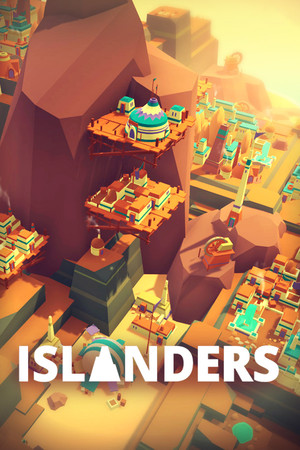





Review evidence
Why players say this
Review evidence
Why players say this
Steam review verdict
A cute and relaxing village-builder with charming gameplay and an appealing art style, but the confusing resource system, weak tutorial, and limited content hold it back.
What players like
Cute and relaxing game: Players consistently describe the game as cute, fun, and relaxing, with a chill and cozy atmosphere. This is the most common positive theme across reviews.
Charming village-building gameplay: The game is praised as a gentle, thoughtfully designed village builder that is wholesome and strategic. Players enjoy the balance of charm and strategy.
Appealing art style: The cute, minimalist art style with warm colors and beautiful landscapes is frequently highlighted. Players find the visuals charming and healing.
Strategic depth: The game offers enough strategic depth to reward thoughtful play, with planning and creative expression encouraged. Players enjoy the strategic elements without complexity.
Addictive and engaging: Players find the game super addictive and engaging, often losing track of time. The gameplay loop is compelling and keeps players coming back.
Common complaints
Resource system is confusing: Multiple reviews indicate that the resource production system is unintuitive and lacks clarity, with conflicts between manufacturing and building placement. This confusion hampers player understanding and enjoyment.
Tutorial is insufficient: Players consistently report that the game lacks a proper tutorial, leaving core mechanics unexplained and requiring repeated attempts to understand. This is a common complaint that affects early gameplay experience.
Gameplay is not engaging: Several reviews describe the gameplay as unengaging and repetitive, with limited content that fails to hold interest over time. This is a significant factor in player dissatisfaction.
Difficulty spikes: The game is somewhat difficult and easy to get stuck if not strategic enough, with resource penalties accelerating game over. This can be frustrating for players.
Content is limited: Players note that the game's content is limited to the first 15 minutes, with little to do afterward. This leads to a quick loss of interest and a feeling of shallowness.
Gameplay and performance
Strategic planning and optimization: Players must carefully plan building placement to optimize layout, manage resources, and achieve high scores. The game requires strategic thinking about adjacency bonuses and potential penalties, making it a puzzle-like strategy experience.
Core gameplay is tile placement: The primary mechanic involves placing buildings on a hex grid to maximize points through strategic layout. This is consistently described across multiple clusters, highlighting the importance of spatial planning and adjacency bonuses.
Multiple game modes available: The game offers several modes including Endless, Challenge, Settlement, and Sandbox, each with distinct objectives like reaching target scores or managing settlers. This variety caters to different play styles and adds replayability.
City and island building theme: The game is themed around city and island building, where players develop settlements and expand their territory. This includes managing resources and creating a thriving community, often described as building a utopia or Peach Blossom Spring.
Progression through score thresholds: The game progresses by earning points, which unlock new buildings and larger islands. Failing to reach required scores can end the game, creating a clear progression loop that drives player engagement.
Linux native support broken: Players report that the game, despite claiming native Linux support, is broken on Linux systems. This is a significant compatibility issue for Linux users.
Performance degrades with large colonies: On older PCs, the game experiences severe lag when the colony grows very large, rendering it unplayable. This indicates optimization issues for late-game scenarios.
Steam Deck compatibility praised: The game runs perfectly on the Steam Deck, providing a positive experience for handheld players. This is a notable strength for the game's portability.
Recommendations
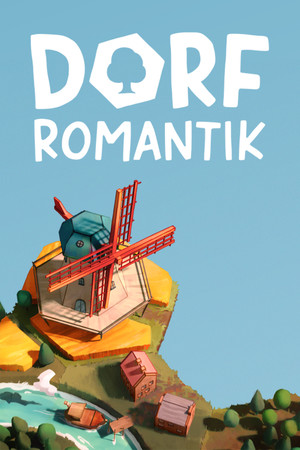
Appeals to cozy genre fans: The game is recommended for fans of cozy simulations, puzzle-like builders, and similar titles like Dorfromantik. This suggests it fits well within the cozy strategy niche.
Good value for money: Multiple reviewers state the game is worth its price, with one explicitly recommending it for the cost. This suggests a strong price-to-content ratio.
Great for relaxation: Several players recommend the game for relaxation and stress relief, describing it as chill and cozy. This indicates it serves well as a casual, calming experience.
Suitable for casual and older players: The game is recommended for very casual play and for older players, indicating accessibility and a gentle learning curve. This broadens its potential audience.
Not for deep strategy players: One reviewer notes the game lacks deep systemic challenges and large-scale management, making it unsuitable for those seeking complex strategy. This is a key limitation for a subset of players.
Buying context
Game completion: 0.5h.
Session length: 3.0h.
HEXAROMA has a steep early learning curve due to a poor tutorial, but players who persist past that hurdle quickly find the game enjoyable and addictive, though some later lose interest due to repetition.
Friction: insufficient tutorial; unclear production mechanics; core mechanic not tracked; initial learning curve.
Unlock drivers: learning the mechanics over time; gradual progression; sense of progression from unlocking buildings.
Player profiles
Cozy Casual: Low-attention, free-form, play at own pace, often in the background. Motivation: Relaxation and aesthetic enjoyment. Stance: buy.
Strategic Optimizer: Thoughtful planning, maximizing efficiency, solving puzzles. Motivation: Strategic depth and optimization. Stance: buy.
Achievement Hunter: Goal-oriented, targeting specific achievements, often using guides. Motivation: Completion and achievement collection. Stance: sale.
Other review notes
Similar to Islanders but inferior: Players frequently compare the game to Islanders, noting it copies the formula but does not execute it as well. The game inherits many mechanics from Islanders, leading to expectations it fails to meet.
Very short content length: The game offers a very short amount of content, with play sessions lasting only 40 minutes to 1-2 hours. This is a major criticism for players seeking longer engagement.
Similar to Dorfromantik: The tile placement mechanics are compared to Dorfromantik, a popular cozy builder. Players see it as a similar but perhaps less polished alternative.
Development appears abandoned: Reviewers express concern that the developer is uninterested in maintaining the game, with no signs of ongoing development. This discourages players from investing time or money.
Single developer behind game: The game is noted to be made by a single person, which may explain its limited scope and content. This is often mentioned in a sympathetic or understanding tone.