- Innovative and engaging gameplay loop with cooking
- Rich folklore and cultural integration enhances experience
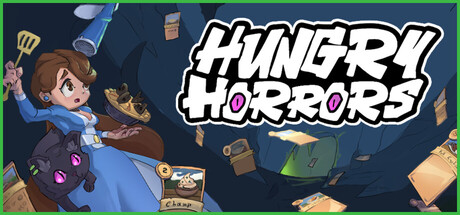
- Charming, vibrant art style and humorous tone
- Family-friendly cooperative play for all ages
- Predictable enemy food preferences limit strategy
- Linear gameplay after mastery reduces replay value
Emotions
What players like:
Common complaints:
Gameplay feedback:
Performance notes:
Recommendations:
Other player notes:
Similar games
Blend with other games





Review evidence
Why players say this
Review evidence
Why players say this
What players like
Innovative and engaging gameplay loop: Players consistently praise the game's unique blend of cooking, deck-building, and roguelike mechanics, which creates a simple yet addictive and strategic experience. The gameplay loop is frequently described as refreshing and engaging, with high replayability.
Rich folklore and cultural integration: The game's use of British and Irish myths, real dishes, and folklore creatures adds depth and educational value. Players appreciate the lore compendium and the unique cultural references woven into the gameplay.
Charming and vibrant art style: The game's visuals, including its pixel art, animations, and whimsical design, are widely celebrated for their charm and expressiveness. The art style is described as gorgeous, retro, and full of personality, enhancing the overall atmosphere.
Hilarious and humorous tone: The comedic tone, funny animations, and witty dialogue contribute to a lighthearted and enjoyable experience. Players highlight the humor as a standout feature that enhances engagement.
Family-friendly and cooperative play: The game is accessible and enjoyable for players of all ages, with mechanics that encourage cooperative play, such as feeding monsters together. Children particularly enjoy collecting artifacts and spices.
Common complaints
Predictable enemy food preferences: Players report that enemy food interests are hard-coded and repetitive, reducing challenge and requiring brute-force trial-and-error to learn. This predictability diminishes strategic depth and replayability.
Language support issues: The game lacks French language support and had dialogue mix-ups with Spanish in beta, which may frustrate non-English-speaking players or those expecting localization.
Forced and unavoidable failures: Players feel failures during the discovery phase are unavoidable and not earned, leading to frustration. This undermines the sense of progression and fairness in learning curves.
Linear gameplay after mastery: Once players understand the mechanics, the game becomes too linear and easy, removing long-term engagement. This suggests a lack of depth or dynamic difficulty adjustments.
Frustration overshadows charm: Despite the game's charm, persistent frustration—likely from forced failures or linear gameplay—risks driving players away. The balance between challenge and enjoyment is off.
Gameplay and performance
Deck-building via cooking mechanics: Players use recipes to create dishes that satisfy monsters, replacing traditional combat with a culinary deck-building system. This unique twist integrates cooking, monster preferences, and strategic deck management.
Monster feeding and lore integration: Monsters have unique preferences and lore, requiring players to cook specific dishes to defeat them. This mechanic ties into narrative-driven exploration and monster animations.
Roguelike progression and run resets: The game features roguelike elements, including run-based progression, modifiers, and resets after failure. Players must adapt strategies for each new run, adding replayability.
Biome exploration and training: Players explore diverse biomes with folklore monsters, unlocking progression through biome-specific training and narrative-driven events.
Stamina and hunger progression: The game uses a stamina system (Magenpunkte) and hunger mechanics to limit player actions, adding a layer of resource management to each run.
Steam Deck Performance: Players report the game runs smoothly and without issues on the Steam Deck, highlighting its optimization for the handheld device. This indicates strong technical compatibility and user satisfaction with portable play.
Recommendations
High replay and recommendation value: Players express strong intent to replay the game and recommend it to others, indicating high satisfaction and perceived value. The feedback is specific and action-oriented (e.g., 'Go buy this game').
Ideal for deck-building roguelike fans: The game is frequently recommended for fans of deck-building roguelikes, foodies, and those seeking unique mechanics. This suggests a well-defined target audience and niche appeal.
Unique dungeon crawler twist: Players highlight the game's unique approach to dungeon crawlers, distinguishing it from other titles in the genre. This feedback is specific but less frequent than other points.
Other review notes
Early Access feedback concerns: Players frequently reference the game's Early Access status, indicating they are evaluating it with expectations of ongoing development and potential issues. This suggests a need for transparency about updates and roadmaps.
Closed beta experience noted: Mentions of the closed beta experience highlight player interest in the game's development history. This feedback may reflect comparisons between beta and current versions or nostalgia for earlier access.