- Innovative genre-blending gameplay experience
- Charming art style and smooth animations
- Satisfying and engaging gameplay loop
- Weak and rushed storytelling elements
- Excessive grinding and difficulty spikes
- Unpolished controls and technical issues
Emotions
What players like:
Common complaints:
Gameplay feedback:
Performance notes:
Recommendations:
Other player notes:
Similar games
Blend with other games




Review evidence
Why players say this
Review evidence
Why players say this
What players like
Innovative genre-blending gameplay: The game uniquely combines RPG, puzzle, combat, and cooking mechanics into a cohesive experience. Players highlight the freshness of this fusion, particularly the match-3 cooking and platforming elements, which stand out from conventional games.
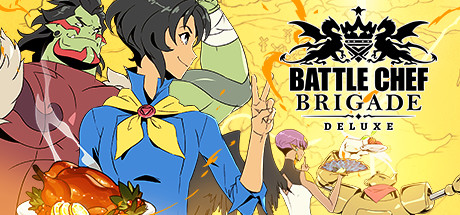
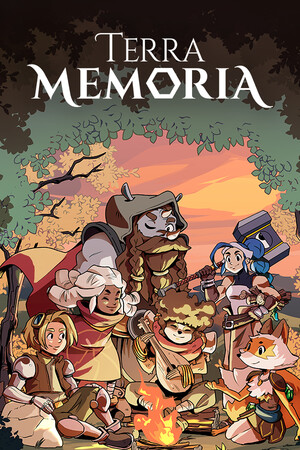
Charming art style and animation: The hand-drawn, anime-inspired visuals and vibrant aesthetics are frequently lauded. Players appreciate the detailed character designs, fluid animations, and the cozy, Studio Ghibli-like atmosphere that enhances immersion.
Satisfying gameplay loop: The game’s loop of gathering ingredients, cooking via puzzles, and combat is described as addictive, dynamic, and well-balanced. Players appreciate the variety, pacing, and lack of repetitive drag, making it suitable for short or long sessions.
Engaging match-3 cooking mechanics: The match-3 puzzle system, integrated with cooking and combat, is praised for its depth, challenge, and innovation. Players enjoy the strategic layering of ingredients, time pressure, and progressive complexity, making it a core highlight.
Great value and overall experience: Players consistently describe the game as worth the price, citing its polished execution, unique concept, and enjoyable content. The overall experience is frequently called memorable and creatively fulfilling.
Common complaints
Weak and rushed storytelling: The narrative is frequently criticized for being generic, shallow, and poorly paced, with abrupt endings and underdeveloped characters. Many players found the story unengaging and not worth playing for its own sake.
Weak voice acting and presentation: Voice acting is described as amateurish or lacking in drama, which detracts from immersion. Visuals and animations are also criticized for being underwhelming or inconsistent.
Shallow and repetitive combat: Combat mechanics are described as clunky, floaty, and lacking depth or variety. Players noted poor hit feedback, limited move sets, and controls that feel unresponsive or awkward, especially on keyboard/mouse.
Unpolished and awkward controls: Controls are frequently cited as unintuitive, poorly designed, or unresponsive, particularly for keyboard/mouse users. Some mechanics feel underdeveloped or situational, contributing to a rough gameplay experience.
Excessive grinding and difficulty spikes: Grinding for achievements, daily challenges, or 100% completion is described as tedious and frustrating. Some endgame content is overly difficult, while other aspects feel artificially padded to extend playtime.
Gameplay and performance
Unique Ingredient Mechanics: Ingredients are gathered via combat or platforming and used in match-3 cooking puzzles with restrictions (e.g., color-matching, elemental combinations). Some mechanics (e.g., poison, fragile stones) add depth.
Combat for Ingredient Gathering: Players engage in action-based combat (e.g., side-scrolling brawlers, platforming) to hunt monsters and gather ingredients. This serves as a precursor to cooking, blending real-time or turn-based combat with resource collection.
Tournament-Style Cooking Battles: Cooking battles are structured as timed, judged tournaments with competitive scoring. Players must adapt to judges' preferences (e.g., elemental themes) and manage time limits (e.g., 8-minute matches) to progress.
Story-Driven Visual Novel Segments: The game blends visual novel-style storytelling with gameplay, featuring character-specific narratives, voiced interactions, and RPG elements (e.g., upgrades, NPC relationships) to drive progression.
Daily Challenges and Multiplayer: Daily cook-offs, leaderboards, and randomized challenges (local/online PvP) add replayability. Modes include time-limited tasks, world rankings, and split-screen multiplayer for competitive or cooperative play.
Controls and input issues: Players report clunky keyboard controls, sluggish controller responses, and input lag, particularly during fast-paced actions. Unresponsive buttons requiring multiple presses further disrupt gameplay flow.
Animation and frame rate problems: Combat animations suffer from low frame counts, making movements appear choppy despite overall smooth gameplay. Vertical sync and FPS inconsistencies are also reported.
Minor or fixed bugs: While some players reported no major bugs, others encountered persistent audio issues that were later resolved through patches.
Floaty and weightless combat: Players describe combat movement as floaty and lacking weight, reducing immersion and tactical feedback during battles.
Steam Deck compatibility issues: Bugs occur specifically on Steam Deck during critical moments, such as finals, indicating optimization problems for handheld devices.
Recommendations
Ideal for match-3 and puzzle fans: The game is frequently recommended for players who enjoy match-3 mechanics, puzzle-solving, and anime-style aesthetics. Its blend of genres, including action and RPG elements, appeals to a broad audience within these categories.
Best purchased on sale: Many players suggest the game offers better value when bought at a discounted price, though some argue it is worth the full price. This indicates a perception of varying value depending on cost.
Casual and family-friendly appeal: The game is widely recommended for casual players, families, and children due to its accessible gameplay, short play sessions, and wholesome content. It is praised for being suitable for all ages.
Moderate replayability for enthusiasts: The game offers replay value for achievement hunters and multiplayer/leaderboard enthusiasts, though some players feel it lacks depth for repeated playthroughs beyond story mode.
Not for hardcore action or cooking fans: Players seeking deep action gameplay or technical cooking mechanics may find the game lacking. It is better suited for casual or puzzle-focused experiences.
Other review notes
Expand story and world: Players frequently request deeper storytelling, including detailed NPC backstories and additional biomes to explore. This would enhance immersion and replayability by enriching the game's lore and environment.
Anime adaptation potential: Some players highlight the game's stylistic and narrative qualities as suitable for an anime adaptation. This suggests strong visual or thematic appeal that resonates with fans of the genre.
Ultrawide resolution support: The game supports 21:9 resolution, which is appreciated by players with ultrawide monitors. This feature enhances the visual experience for a specific but vocal segment of the audience.
Disney-affiliated development: The game's development by a Disney-affiliated team is noted, though this is more of a contextual detail than direct gameplay feedback. It may influence expectations around polish or branding.