- Engaging, relaxing gameplay with charming visuals
- Fluid, accessible combat and unique genre blend
- Repetitive dungeons with poor rewards
- Unbalanced, frustrating combat experience
- Excessive grind and repetition present
- Shallow story and underdeveloped aspects
Emotions
What players like:
Common complaints:
Gameplay feedback:
Performance notes:
Recommendations:
Other player notes:
Similar games
Blend with other games






Review evidence
Why players say this
Review evidence
Why players say this
What players like
Engaging & Relaxing Gameplay: The game offers a highly enjoyable and addictive experience, allowing players to relax and lose track of time. Its simple yet engaging gameplay loop and balanced difficulty contribute to its broad appeal and replayability.
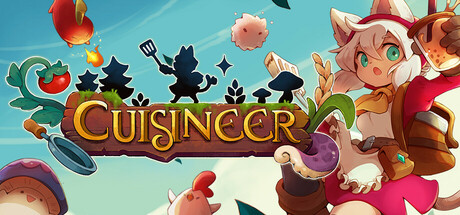
Charming Visuals & Characters: Reviewers consistently praise the game's adorable and high-quality art style, character designs, and overall graphics. The visuals are described as beautiful, inviting, and a significant draw for players.
Fluid & Accessible Combat: The combat system is widely enjoyed for being fluid, satisfying, and easy to learn, yet offering enough challenge and strategic depth. Its flexible difficulty options cater to both casual and more engaged players.
Unique Genre Blend: The game's core concept of blending dungeon crawling with restaurant management is highly praised as unique, well-executed, and engaging. This alternating gameplay loop prevents monotony and provides a satisfying progression.
Engaging Restaurant Management: The restaurant management aspect is a core highlight, offering a fun, relaxing, and engaging experience. Players enjoy the progression through upgrades, extensive customization options, and the dynamic interactions within the town hub.
Common complaints
Repetitive Dungeons, Poor Rewards: Dungeons are criticized for being repetitive in layout, enemy types, and overall design, lacking variety and becoming boring quickly. Exploration is unrewarding, with bosses offering minimal loot and little incentive to fully clear or re-enter dungeons.
Unbalanced, Frustrating Combat: Combat is frequently described as clunky, unbalanced, and frustrating, even on lower difficulties. Enemies are often 'damage sponges' with high HP, aggressive behavior, and unavoidable attacks, making fights feel tedious and unrewarding.
Excessive Grind & Repetition: The core gameplay loop, including resource gathering, upgrades, and quests, is described as overly grindy, tedious, and repetitive, leading to player boredom and a feeling of the game being 'work.' This issue is consistent throughout the game, especially in the mid-to-late stages.
Unpolished & Underdeveloped: Many reviewers found the game to be incomplete, undercooked, and lacking polish across various systems. Despite good ideas, the execution falls short, leading to a feeling of unfulfilled potential and a perception of being overpriced for its current state.
Shallow Story & NPCs: The game's narrative is described as bland, unengaging, and lacking depth, with no strong connection to characters or meaningful progression. NPCs are criticized for being generic, having repetitive dialogue, and offering only basic fetch quests without any social system or relationship building.
Gameplay and performance
Roguelike Dungeon Crawling: The game features procedurally generated dungeons where players fight monsters to gather ingredients and materials. While some find the combat simple or repetitive, others note its Hades-inspired mechanics, including dash attacks, varied weapons, and status effects.
Basic Restaurant Management: The restaurant system is described as simple, involving basic clicks for cooking and cashiering. While it includes upgrades and decoration, customer interaction is largely automated, with manual serving only required for "noble" customers later in the game.
Variable Combat Difficulty: Combat difficulty is a mixed bag, with some finding it hardcore, especially early on, while others find dungeons easy to clear. The game offers multiple difficulty settings, allowing players to reduce damage taken, which helps mitigate the challenge of tanky enemies and numerous traps.
Costly, Minor Upgrades: Almost everything in the game is upgradable, from weapons to restaurant facilities. However, weapon upgrades provide minimal damage increases (+1 per level) and are often expensive and time-gated, requiring significant materials and in-game days to complete.
Recipes via Fetch Quests: New recipes are primarily unlocked by completing side quests given by townspeople. These quests largely involve collecting specific ingredients or cooked dishes, or occasionally defeating bosses, with little to no individual story development.
Excessive Loading Screens: The game suffers from noticeably long loading times, particularly when transitioning between maps or entering new areas through doors. The initial game load-up is also reported as slow, disrupting the flow of gameplay.
Poor Game Performance: Players frequently experience significant frame drops, stuttering, and lag, especially during combat with many enemies or after extended play sessions. This suggests optimization issues and potential memory leaks, impacting gameplay fluidity across various hardware, including the Steam Deck.
Critical Game-Breaking Bugs: Players reported the presence of specific glitches that can abruptly end a game run, indicating severe bugs that significantly disrupt the gameplay experience. This points to critical issues needing attention.
More Graphics Options: There is a desire for more granular graphics settings, allowing players to lower visual quality to potentially improve performance on less powerful hardware. This suggests a need for better customization options.
Small UI Text on Deck: On the Steam Deck, some in-game text appears too small, making it difficult to read. This is a specific UI/UX issue affecting readability on handheld devices.
Recommendations
Appealing Cute Art Style: The game's cute art style and aesthetic are consistently praised by reviewers, often cited as a primary reason for interest or enjoyment. Some even suggest it's worth experiencing for the visuals alone.
General Disappointment/Not Recommended: A significant number of reviewers expressed general disappointment or found the game not to their liking, leading to a non-recommendation. This sentiment often stems from a feeling that the game did not meet expectations or provide sufficient value for the price, even if specific reasons vary.
Needs Future Improvements: Many reviewers feel the game is currently incomplete or unpolished, expressing hope for future updates to address existing issues, improve balance, and add content. Some state they will only return to the game if significant improvements are made.
Mixed Genre Appeal: The game appeals to players who enjoy a blend of dungeon crawling, roguelite elements, and restaurant/shop management simulation, often with a cozy or cute aesthetic. However, it may not satisfy those seeking deep mechanics in either the combat or management aspects.
Purchase on Sale: Many reviewers strongly recommend purchasing the game only when it is heavily discounted, as they feel the full price does not justify the content or experience. Some warn that even on sale, the grind might become apparent after the refund window.
Other review notes
Limited Content & Monotony: The game offers limited engaging content, leading to monotony and a feeling of short playtime despite potential for longer sessions. Side quests are repetitive and lack depth, primarily involving ingredient delivery without enriching the world or characters.
Mods Enhance QoL: Mods are highly recommended and significantly improve the game's quality of life by addressing issues like inventory stack sizes, drop rates, player speed, and automating repetitive tasks such as customer payment and dish retrieval, making the experience smoother.
Desired Content Additions: Players desire more varied content, including new dungeons (possibly seasonal with unique rewards), more maps, and deeper gameplay systems like food planting/harvesting. There's also a strong wish for more customization options for the restaurant layout and more functional NPCs to improve the village.
Shop Management & Culinary Theme: The game is frequently compared to shop management titles like Recettear and Moonlighter. Its unique culinary theme, especially the inclusion of South and Southeast Asian foods with appetizing descriptions, is a highlight for players.
Mixed Price Perception: Player opinions on the game's price are mixed; some find it high for an indie title, while others consider it fair, especially when purchased on sale. Specific price points in different currencies were mentioned.