- Unique genre-blending mechanics stand out
- Highly enjoyable co-op experience offered
- Balanced difficulty and progression system
- Excessively long playtimes frustrate players
- Lack of content and variety noted
- Unbalanced character and class design issues
Emotions
What players like:
Common complaints:
Gameplay feedback:
Performance notes:
Recommendations:
Other player notes:
Similar games
Blend with other games




Review evidence
Why players say this
Review evidence
Why players say this
What players like
Unique genre-blending mechanics: The game successfully merges TRPG, board game, deck-building, and roguelike elements into a cohesive experience. Players appreciate the strategic depth and innovative gameplay loops, such as card-based combat and hex-grid exploration.
Highly enjoyable co-op experience: Players consistently praise the game's multiplayer, highlighting seamless online play, flexible roles, and teamwork dynamics. The co-op mode is a standout feature, enhancing replayability and social interaction.
Balanced difficulty and progression: The game avoids frustrating mechanics (e.g., no 'whiff' attacks) and offers adjustable difficulty. Progression systems, such as unlockable characters and manageable soul points, are praised for being fair and satisfying.
Accessible yet deep gameplay: The game is beginner-friendly with intuitive systems, but offers strategic depth for experienced players. Features like color-based mana pooling, class synergies, and deck-building cater to both casual and hardcore audiences.
Seamless save and multiplayer features: Auto-save, Remote Play Together, and voice chat support enhance accessibility. Players appreciate the ability to resume mid-game and the low barrier to entry for multiplayer sessions.
Common complaints
Excessively long playtimes: Sessions last 2-3 hours due to unskippable animations and slow combat pacing. This discourages replayability and makes multiplayer coordination difficult.
Lack of content and variety: Limited maps, classes, and replayable content (e.g., static quests, repetitive bosses) reduce long-term engagement. Early Access constraints further limit variety.
Unbalanced character and class design: Classes like the warrior feel underpowered, while others (e.g., thief) are overpowered. Poor balance extends to single/two-player runs and defensive mechanics.
Restrictive card mechanics: Players criticize the limited hand size (3 cards), forced card acquisition, and lack of deck management options, leading to bloated or repetitive decks. This restricts strategic variety and frustrates deck-building.
High randomness and luck reliance: The game heavily depends on luck due to restrictive card draw mechanics and limited filtering options. This reduces player agency and makes outcomes feel unfair or unpredictable.
Gameplay and performance
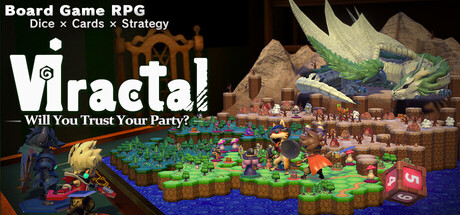
Board game-style deck-building RPG: The game combines board game mechanics (e.g., hexagonal grids, turn-based movement) with deck-building combat and roguelike elements. Players manage unique character decks, strategic resource systems (e.g., 'Will'), and procedural progression, creating a hybrid experience.
Turn-based hex-grid exploration: Movement and combat occur on hexagonal grids with dice-based mechanics, blending board game exploration with tactical turn-based combat. Random map layouts and event tiles enhance replayability but may introduce pacing challenges.
Progression via unlocks and meta-systems: Post-game unlocks (characters, cards, events) and soul-based upgrades drive replayability. Limited card deletion opportunities and shared resources (e.g., mana) add strategic depth but may frustrate players seeking flexibility.
25-turn structure with dragon boss: Each playthrough culminates in a 25-turn countdown to a dragon boss battle, with earlier confrontations yielding higher rewards. The fixed structure balances preparation and risk-taking but may feel restrictive.
Cooperative multiplayer with sync issues: Supports 1-4 players in local/online co-op, emphasizing teamwork and shared progression. However, multiplayer suffers from synchronization problems, save data persistence issues, and longer playtimes compared to solo mode.
Remote Play Together instability: Players report frequent freezes and controller incompatibility issues when using Remote Play Together, particularly in multiplayer configurations or with guests. This disrupts the intended co-op experience.
Controller input failures: Multiple reports highlight unresponsive or incompatible controllers, affecting both local and Remote Play sessions. This impacts core gameplay accessibility.
Post-battle game freezes: The game frequently freezes after multiplayer dragon battles, often linked to camera bugs. This interrupts progression and requires restarts.
Multiplayer desync corruption: Desynchronization in multiplayer sessions leads to game state corruption, forcing players to restart or lose progress. This severely undermines cooperative play.
Progression-blocking bugs: Unspecified but critical bugs prevent players from advancing in the game, likely tied to multiplayer or technical issues. This frustrates long-term engagement.
Recommendations
Highly recommended for fans: The game is frequently recommended for fans of cooperative deck-building games, roguelikes, board games, and strategic RPGs. Players highlight its suitability for fun gaming evenings with friends and its strategic depth, similar to the developer's previous RPGs.
Needs bug fixes and updates: While the game is recommended, many players emphasize the need for bug fixes and updates to address current flaws. Some recommend the game only for those willing to endure early access issues for potential future improvements.
Demo available for trial: Players suggest trying the demo version before purchasing, as it provides a good sense of the game's mechanics and style. This is particularly useful for those unsure about early access issues.
Improve customization and unlocks: Feedback includes requests for aesthetic customization options (e.g., accessories for rats), initial ability selection, and unlocking card deletion mechanics early. Players also suggest reducing soul requirements for unlocks and increasing soul rewards per run.
Add harder difficulties and events: Players suggest adding harder difficulties and more map events to improve replayability. This includes enhancing boss battles and event spaces for better engagement and strategic depth.
Platform notes
Steam Deck: The Steam Deck experience for this game is severely hindered by **controller input instability**, with multiple reports of unresponsive controls and progression-blocking bugs. Secondary issues include cumbersome Remote Play Together setups and inconsistent input method handling (e.g., persistent mouse cursor during controller use). While gameplay design flaws exist, they do not directly relate to the Steam Deck's technical performance. The critical controller bugs alone justify a high-friction score.
Other review notes
Early Access transparency: Players frequently acknowledge the game's Early Access status and appreciate the visible roadmap progress. This suggests the developers are effectively communicating their development plans and updates.
Regular monthly updates: The game receives consistent monthly updates, which players highlight as a positive aspect. This indicates active development and responsiveness to community feedback.