- Memorable characters and exceptional voice acting
- Masterful quest design and impactful choices
- Exceptional story and immersive world-building
- Engaging and strategic combat system
- Timeless and highly replayable experience
- Some clunky combat and technical issues
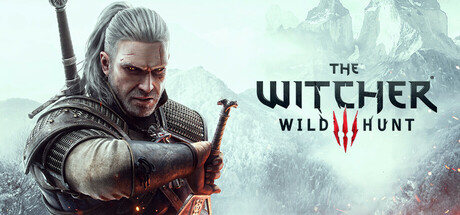
Emotions
What players like:
Common complaints:
Gameplay feedback:
Performance notes:
Recommendations:
Other player notes:
Similar games
Blend with other games 88%The Witcher 2: Assassins of Kings Enhanced Edition
 84%The Witcher: Enhanced Edition Director's Cut
 81%Dragon Age™ Inquisition
 81%Crimson Desert
 81%Kingdoms of Amalur: Re-Reckoning
 80%The Last Sovereign
 80%The Blood of Dawnwalker
 79%Gothic® 3
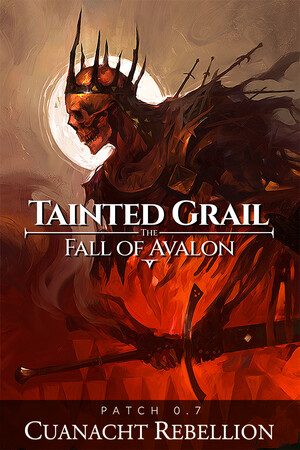 79%Tainted Grail: The Fall of Avalon
 79%Kingdom Come: Deliverance II
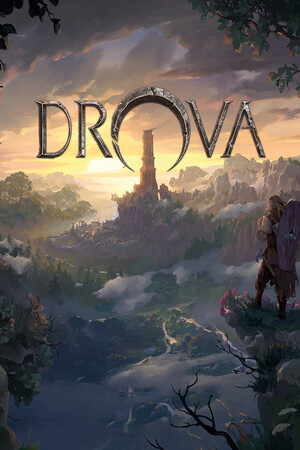 79%Drova - Forsaken Kin
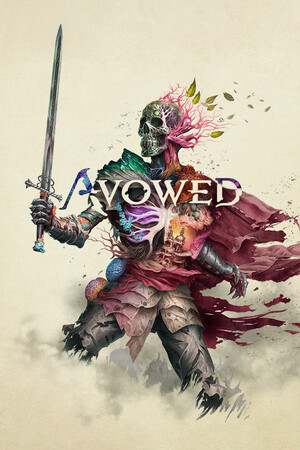 79%Avowed
Review evidence
Why players say this
Review evidence
Why players say this
What players like
Memorable Characters & Voice Acting: Players form deep emotional connections with the game's characters, from the complex protagonist Geralt to the richly developed main and secondary cast. The voice acting across multiple languages is consistently praised for bringing these personalities to life and enhancing immersion.
Masterful Quest Design: The game is lauded for its incredibly well-written and diverse quests. Side quests, in particular, are frequently cited as surpassing main quests in other games, offering unique narratives, emotional depth, and often having significant consequences that enrich the overall experience.
Exceptional Story & World-Building: Players consistently praise the game's deep, emotional, and epic narrative, including both main and side quests. The world is described as vast, immersive, and meticulously detailed, with rich lore and a living atmosphere that encourages exploration and makes every location feel unique.
Timeless & Replayable Experience: Players emphasize the game's enduring quality, noting that it has aged exceptionally well, often surpassing newer titles. Its high replayability stems from impactful choices, diverse content, and the joy of rediscovering its rich world and stories, making it a game many return to repeatedly.
Impactful Player Choices: A significant highlight is the game's system of meaningful choices and consequences. Players feel that their decisions, even in minor quests, genuinely impact the story, character fates, and the world, leading to morally complex dilemmas and high replayability.
Common complaints
Clunky Combat & Controls: Many players found the combat system to be clunky, repetitive, and lacking depth, often devolving into simple dodge-and-attack patterns. Controls for Geralt and Roach were frequently criticized for being unresponsive, stiff, and leading to frustrating movement issues and accidental actions.
Pacing & Narrative Issues: The main story was often described as slow-paced, stretched out with filler, and less compelling than side quests. Dialogue was criticized for being excessive, sometimes unskippable, and lacking meaningful choices, leading to a disconnect from the plot and characters.
Technical Issues & Bugs: A significant number of players reported frequent bugs, glitches, and crashes, even years after release and with next-gen updates. These issues ranged from minor visual hiccups to game-breaking problems that hindered quest progression and overall immersion.
Repetitive Open World & Quests: The open world, despite its size, often felt empty and unrewarding to explore, with many 'question mark' activities and side quests being repetitive fetch tasks. This led to a sense of tedium and burnout, especially for players attempting to clear the entire map.
Frustrating Inventory Management: Players consistently found the inventory system to be messy, overloaded, and unintuitive. Managing a large number of items, finding specific notes, or organizing gear became a tedious and immersion-breaking chore.
Gameplay and performance
Deep and Flexible Combat System: The combat system is easy to learn but hard to master, combining swordplay, magic signs, and alchemy. Players can customize Geralt's abilities and equipment to suit various playstyles, from sword-focused to magic or alchemy builds, making each encounter strategic and engaging, especially on higher difficulties.
Extensive Playtime and Replayability: The game offers a massive amount of content, with main story completion ranging from 40-100 hours and total completion (including side quests and DLCs) often exceeding 150-200 hours. Many players engage in multiple playthroughs due to the sheer volume of content, different difficulty settings, and impactful narrative choices.
Meaningful Choices and Multiple Endings: Player decisions throughout the game have significant and often unforeseen consequences, influencing character relationships, quest outcomes, and the overall ending of the story. This non-linear narrative encourages replayability to explore different paths and moral dilemmas.
High-Quality Side Quests and Contracts: The game's side quests and Witcher contracts are exceptionally well-written, often rivaling main storylines in other games in terms of depth, emotional impact, and moral complexity. They are not mere filler but offer unique stories, character development, and meaningful rewards.
Engaging Main Story and Ciri's Fate: The central narrative revolves around Geralt's urgent search for his adopted daughter, Ciri, who is pursued by the Wild Hunt. This quest is emotionally resonant, with player choices significantly impacting Ciri's destiny and the overall conclusion of the saga.
Mixed Technical Stability & Bugs: Player experiences with technical stability and bugs are varied. While many report a smooth, well-optimized experience with only minor visual glitches, others encountered serious issues like frequent crashes, game-breaking bugs, and performance degradation, especially after the next-gen update. Most minor issues are often resolved by updates or simple restarts.
Demanding PC Hardware Requirements: The game, particularly with next-gen updates and ray tracing, can be quite demanding on PC hardware. While it can run on mid-range systems with adjusted settings, achieving high frame rates and maxed-out graphics, especially with ray tracing, often requires a powerful CPU and GPU.
Next-Gen Update Visuals & Performance: The next-gen update significantly enhanced graphics with features like ray tracing, improved textures, and lighting, bringing the visuals closer to modern standards. However, this update also introduced performance issues and crashes for some players, with ray tracing being particularly demanding and sometimes offering only marginal visual improvements.
Ray Tracing Performance Issues: Ray tracing, while visually enhancing, is a major source of performance drops and crashes, even on high-end GPUs. Many players recommend disabling it or switching to DirectX 11 for a more stable experience, indicating poor optimization for this specific feature.
Roach's Minor Glitches: Roach, the player's horse, is occasionally subject to minor, often humorous, glitches such as teleporting into objects, freezing in odd positions, or appearing in unexpected locations.
Recommendations
Highly Recommended Masterpiece: Players overwhelmingly recommend this game, frequently calling it a masterpiece and one of the best RPGs or even games of all time. Many express a desire to erase their memory to experience it for the first time again, highlighting its profound impact and unforgettable nature.
Deep Story & Immersive World: The game is consistently praised for its captivating story, deep narrative, complex characters, and richly detailed, immersive open world. Players often describe it as an 'interactive epic' or a 'world you live in,' emphasizing its ability to draw them in for hundreds of hours.
Essential DLCs: The game's expansions, particularly 'Blood and Wine' and 'Hearts of Stone', are considered essential and are highly recommended. Many reviewers suggest purchasing the Complete Edition or Game of the Year Edition for the full experience, often noting the excellent value.
Optimal Difficulty & Playstyle: Many players recommend playing on higher difficulties like 'Pain and Suffering' or 'Death March' for a more challenging and rewarding experience, especially for achievement hunters. They also advise taking time to explore and not rushing the main quest to fully appreciate the game's magic.
Wait for Sale: Despite its high quality, many players advise waiting for a sale to purchase the game, especially the Complete Edition. They note that the game frequently goes on deep discounts, offering exceptional value for the vast amount of content.
Other review notes
Rich, Immersive World & Story: Players consistently praise the game's meticulously crafted, vast, and immersive open world, filled with detailed environments, diverse locations, and a living ecosystem. The storytelling is highlighted as a masterpiece, with deep characters, mature themes, impactful choices, and side quests that often rival the main narrative in quality and emotional depth. This combination creates an unparalleled sense of adventure and immersion.
Enduring Player Engagement: Many players express profound emotional connections to the game, often replaying it multiple times over many years and wishing they could experience it for the first time again. The game's ability to draw players back, its long playtime (100+ hours for base game, 200+ for completionists), and its lasting impact on players' lives are frequently mentioned.
Geralt's Compelling Journey: Geralt of Rivia is lauded as a perfectly written protagonist—cynical yet empathetic, gruff yet loyal. His personal quest to find Ciri, intertwined with political intrigue and moral dilemmas, forms the emotional core of the game. Players connect deeply with Geralt and his relationships, often making choices based on his character, and many are introduced to the Witcher universe through his story.
Books & Other Media Influence: Many players are introduced to the Witcher universe through the game, which often inspires them to read Andrzej Sapkowski's original books. Conversely, some players come to the game after reading the books or watching the Netflix series, enhancing their understanding and emotional connection to the lore and characters.
Character Relationship Choices: The romantic choices, particularly between Triss and Yennefer, are a significant and often difficult aspect for players. These relationships are deeply explored, with characters having distinct personalities and arcs, leading to varied emotional outcomes based on player decisions.