- Engaging story and immersive world
- Unique and satisfying timing-based combat
- Impactful moral choices
- Aged gracefully as an RPG
- Outdated and clunky gameplay
- Dated graphics and animations

Emotions
What players like:
Common complaints:
Gameplay feedback:
Performance notes:
Recommendations:
Other player notes:
Similar games
Blend with other games 87%Gothic 1
 86%The Witcher 2: Assassins of Kings Enhanced Edition
 86%The Witcher 3: Wild Hunt
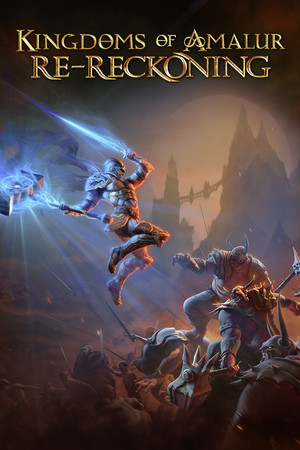 86%Kingdoms of Amalur: Re-Reckoning
 85%Of Ash and Steel
 85%The Elder Scrolls III: Morrowind® Game of the Year Edition
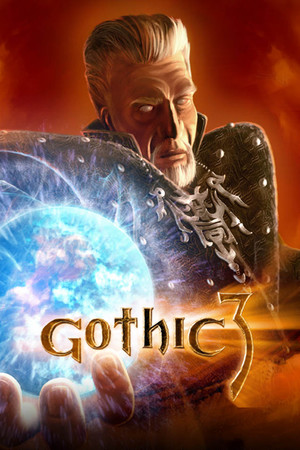 85%Gothic® 3
 84%Siege of Avalon: Anthology
 84%Gothic II: Gold Edition
 83%Baldur's Gate II: Enhanced Edition
 83%Planescape: Torment: Enhanced Edition
 83%Kingdom Come: Deliverance II
Review evidence
Why players say this
Review evidence
Why players say this
What players like
Engaging Story & World: Players consistently praise the game's deep, captivating story, rich world-building, and memorable characters. The narrative is often highlighted as the game's strongest asset, drawing players in and making them want to continue playing despite any dated mechanics.
Immersive Atmosphere & Music: The game's dark, gritty, and often melancholic atmosphere, combined with its masterfully crafted, Slavic-inspired soundtrack, creates a deeply immersive experience. This strong ambiance is frequently cited as a key factor in drawing players into the Witcher world.
Unique & Satisfying Combat: While initially perceived as clunky or unusual, many players found the rhythmic, strategic combat system to be engaging and satisfying once mastered. The variety of combat styles, alchemy, and magic adds depth, making battles enjoyable and rewarding.
Aged Gracefully as an RPG: Despite its age, the game is widely considered a classic RPG that has held up remarkably well. Reviewers appreciate its unique charm, immersive atmosphere, and the foundational role it played in establishing a beloved franchise, often comparing it favorably to modern titles.
Impactful Moral Choices: The game is lauded for its complex moral dilemmas and choices that genuinely matter, influencing the story, character relationships, and even future game installments. This 'grey morality' system is a significant draw, encouraging replayability and deep player engagement.
Common complaints
Outdated & Clunky Gameplay: Players frequently report that the game's combat system, controls, and general mechanics feel clunky, stiff, and outdated, especially compared to modern titles. This leads to a steep learning curve, frustration, and a perception of the game being unnecessarily difficult or tedious.
Dated Graphics & Animations: Many reviewers find the game's graphics, character models, and animations to be significantly outdated, even for its release era. This visual clunkiness detracts from immersion and can be a major deterrent for new players accustomed to modern graphical standards.
Frequent Technical Issues: The game is plagued by numerous technical problems, including frequent crashes, freezes, game-breaking bugs, and long loading times. These issues significantly disrupt gameplay and can lead to loss of progress, making the experience frustrating and, at times, unplayable.
Tedious Travel & Lack of Fast Travel: The absence of a robust fast travel system, coupled with large maps and slow character movement, results in excessive and repetitive backtracking. This makes traversing the game world tedious and boring, significantly impacting the pacing and overall enjoyment.
Confusing & Missable Quests: Quest design is often unclear, with vague instructions, a confusing quest log, and a lack of indicators. Many side quests are easily missed or become unavailable without warning, forcing players to consult external guides and potentially spoiling the experience.
Gameplay and performance
Unique, Timing-Based Combat System: The combat system is a distinctive, rhythm-based mechanic requiring timed mouse clicks for combos and strategic switching between three fighting styles (fast, strong, group) based on enemy types. While initially clunky and requiring adaptation, players generally get used to its unique approach.
Chapter-Based World Structure: The game's world is not truly open but is divided into distinct chapters, each with interconnected, semi-open locations. This structure, combined with a lack of fast travel, often leads to extensive walking between quests and NPCs.
Initial Learning Curve: Many players note that the game's unique mechanics, particularly combat and movement, require a significant adjustment period. While some find it clunky or dated by modern standards, most players eventually adapt and find the gameplay enjoyable.
Alchemy and Potion Crafting: Alchemy is a crucial system involving gathering ingredients to craft potions, oils, and bombs. While optional on easier difficulties, it becomes essential for strategic preparation and success in combat on higher difficulty settings, adding a significant layer of depth to gameplay.
Variable Difficulty & Balance: The game offers multiple difficulty settings, but many players find the normal difficulty too easy, especially in later chapters, due to character upgrades. Playing on harder difficulties is recommended for a more challenging and immersive experience, often necessitating full use of alchemy.
Good compatibility with modern OS: The game generally launches and runs well on modern operating systems like Windows 11, macOS, and Linux (via Proton), often without significant performance issues.
Performance on modern systems: While the game generally runs well on modern systems, some players need to limit FPS or enable V-sync to prevent stuttering, crashes, or other performance issues, especially due to poor multi-core support.
Cutscene display issues: Players experience issues with cutscenes not playing or freezing. This can often be resolved by lowering lighting or shadow quality settings.
Long loading times: The game is noted for having very long loading times, sometimes up to several minutes, which can disrupt the flow of gameplay.
Specific crash workarounds: Some crashes can be prevented by lowering resolution at specific points (e.g., end of Chapter 3) or by using launch options like '-dontForceMinReqs'.
Recommendations
Highly Recommended for Story & Lore: Players overwhelmingly recommend the game for its compelling story, deep lore, and rich world-building, especially for fans of the Witcher universe, books, or other RPGs. Many emphasize its value as the starting point of a legendary series.
Patience Required for Dated Elements: The game's age, including outdated graphics, clunky combat, and unique mechanics, is a frequent point of discussion. Reviewers advise patience and an open mind, suggesting that those who can overlook these issues will find a rewarding experience.
Varied Player Ratings: Player ratings for the game are quite diverse, ranging from highly positive (8-10/10) to more moderate (5-7/10), reflecting the subjective experience influenced by its strengths and weaknesses.
Mixed Opinions on Starting Point: While many recommend starting the series with this game for chronological understanding, some suggest new players might be better off starting with The Witcher 2 or 3, or even watching a story summary, due to the first game's dated nature.
Consider Waiting for Remake: A significant portion of feedback suggests waiting for the upcoming remake, especially for new players or those put off by older game mechanics. Some believe the remake will address the original's technical shortcomings.
Other review notes
Long Playtime & Rich Content: The game offers a substantial amount of content, with main stories and numerous side quests providing 50-100+ hours of gameplay. Side quests are often praised for their interesting stories and contribution to replayability.
Anticipation for Remake/Remaster: A significant number of players are eagerly awaiting a remake or remaster of the game, hoping it will update dated aspects while preserving the original's charm. There's speculation about its release and hopes for improvements, particularly in combat.
Graphics & Technical Issues Mitigated by Mods: While graphics and technical issues like crashes are noted due to the game's age, many players find the visuals acceptable or even charming. Community mods are frequently recommended and used to improve graphics, fix bugs, and enhance the overall experience.
CD Projekt Red's Debut: Players acknowledge this as CD Projekt Red's first game, recognizing it as a foundational project that showcased their potential. It's seen as a key point in the studio's history and an excellent presentation of their vision.
Affordable Price Point: Many reviewers note the game's extremely low price, especially during sales, often describing it as 'underpriced' or 'worth pennies.' This makes it an accessible entry point for new players.