- Great aesthetics and vibes
- Stealth rewarded with XP
- Diverse playstyles available
- Deep and complex systems
- Keybinding issues and poor mouse support
- Class balance and playstyle issues
Emotions
Archetypes
What players like:
Common complaints:
Gameplay feedback:
Performance notes:
Recommendations:
Other player notes:
Similar games
Blend with other games








Review evidence
Why players say this
Review evidence
Why players say this
Steam review verdict
Stunning aesthetics and stealth rewarded with XP create a deep, versatile experience, but keybinding issues, poor mouse support, and class balance problems undermine the polish.
What players like
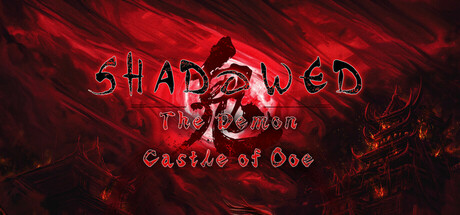
Great aesthetics and vibes: The game's aesthetic, atmosphere, and vibes are highly praised, with a Japanese setting featuring yokai and historical figures. The visual style, sound design, and music contribute to an immersive and pleasant experience.
Stealth rewarded with XP: Sneaking past enemies and scouting floors grants bonus experience, reinforcing the ninja identity and encouraging a pacifist playstyle. This system is praised for rewarding non-combat approaches and adding depth.
Diverse playstyles available: Players appreciate the multiple playstyles, including minions, traps, prepared spells, and warrior builds, which allow for varied strategic approaches. The abundance of classes, skills, and items supports wide character customization.
Deep and complex systems: The game offers deep, complex, and unique systems with high replay value. Players appreciate the tactical combat, resource management, and the satisfaction of learning and mastering the mechanics.
Stealth mechanics are excellent: The stealth-focused gameplay is a standout feature, with players noting it is interesting, well done, and crucial to the experience. The unique emphasis on stealth sets it apart from other roguelikes.
Common complaints
Keybinding issues and poor mouse support: Players report problems with keybindings, including inability to unassign or overwrite keys, and broken mouse support for targeting and inventory. This makes controls frustrating.
Class balance and playstyle issues: Classes are perceived as unbalanced, with each class favoring one playstyle and others being weaker. Specific classes like stance-based monks and Kurasagami are called out as poorly designed.
UI is unintuitive and cluttered: The UI is criticized for being unintuitive, with options buried in menus and lacking customization. This hampers player experience and accessibility.
Lack of quality-of-life features: The game lacks essential quality-of-life features like autoexplore, right-click actions, and damage previews, making gameplay more tedious and less accessible.
Bugs and glitches present: Players report various bugs and glitches, including significant issues with the Kamikui class and performance problems with many allies. This is expected in early access but still impacts experience.
Gameplay and performance
Traditional roguelike with stealth: The game is consistently described as a traditional roguelike with a strong emphasis on stealth mechanics. It combines classic roguelike minimalism with stealth-focused gameplay, featuring a ninja character and elements like hiding in shadows, weapon techniques, and magic skills.
Diverse playstyles and classes: The game offers multiple playstyles and classes, including stealth-focused ninjas, monks, samurai, and court magicians, each with unique abilities and mechanics. Classes play very differently, and many perks and items allow for wide character builds.
Complex keyboard controls: The game requires a numpad and has a lot of individual keyboard key binds, with almost all actions assigned to keys that need to be memorized. Controls are rebindable, but the complexity may be a barrier for some players.
Japanese feudal setting: The game is set in a mythological feudal Japan, blending traditional roguelike mechanics with Japanese fantasy elements. It is known in Japan through games like Shiren the Wanderer and involves demon slaying in a 2D roguelike world.
Fatigue system mechanics: A fatigue system affects exploration and the use of stronger attacks, acting as a take on the hunger clock mechanic. Fatigue accumulates from actions and harms the player if left unchecked, but can be restored by food and hot springs found on every three floors.
Performance issues with many allies: Players report that the game's performance degrades significantly when many allies are present on screen, leading to frame rate drops and stuttering. This issue appears to be a common complaint among users.
Recommendations
Recommended for traditional roguelike fans: Multiple reviews highlight the game as a strong fit for fans of traditional roguelikes, including those who enjoy new mechanics and stealth-oriented playstyles. The game is seen as an interesting twist on the formula for veterans of the genre.
General positive recommendation: Several reviews give straightforward positive recommendations, urging players to buy the game or not overlook it. The overall sentiment is strongly favorable, with some calling it a gem.
Recommended for stealth game enthusiasts: The game appeals to players who enjoy stealth mechanics, with specific mentions of sneaking around and killing enemies when needed. Fans of Tenchu or stealth games are also pointed toward this title.
Recommended for Japanese players: The game is noted as a rare traditional roguelike set in Japan, making it especially appealing to Japanese players. This unique setting is a key selling point for that audience.
Recommended for permadeath enthusiasts: Players who enjoy permadeath mechanics are encouraged to try the game, especially those looking for a setting beyond a generic dungeon. The game offers a fresh environment for this playstyle.
Buying context
The game is enjoyable from the very beginning, with a tough learning curve and bare-bones UI, but the tutorial and help pages aid understanding, and players become more proficient after a few runs.
Friction: tough learning curve; bare-bones interfaces; time required to read help pages.
Unlock drivers: tutorial; help pages; familiarity from repeated runs.
Player profiles
Traditional Roguelike Veterans: They experiment with different classes and builds, often favoring stealth but also exploring minions, traps, and prepared spells. Motivation: To experience a fresh twist on the traditional roguelike formula with a unique stealth focus and multiple playstyles. Stance: buy.
Japan Setting Enthusiasts: They likely enjoy exploring the game's systems and may use stealth or combat, but the setting is the main draw. Motivation: To experience a roguelike set in Japan with familiar cultural references and deep character building. Stance: buy.
Stealth Enthusiasts: They play as the shinobi class, sneak past enemies, and try to minimize combat to gain XP and score. Motivation: To enjoy a stealth-focused roguelike where avoiding combat is rewarded and multiple playstyles are possible. Stance: buy.
Other review notes
Roguelike comparisons to Infra Arcana and Nethack: The game is compared to Infra Arcana, Nethack, and other roguelikes like DCSS, Cogmind, and Angband, indicating its roguelike credentials. These comparisons focus on tileset, stealth mechanics, and gameplay depth.
Japanese language support available: Official Japanese language support is available, with the language changeable from the title screen. Some untranslated parts remain, but the tutorial translation is high quality.
Early access with ongoing polish: The game is in Early Access, with gamepad support still being polished and keyboard-based controls initially. This indicates active development and potential for improvement.
Rich Japanese mythology setting: The game is steeped in Japanese mythology, featuring various yokai and spirits from across Japan, each with descriptions. This cultural depth is a standout feature for players.
Comparisons to Tenchu and stealth classics: Reviewers frequently compare the game to Tenchu and other stealth games, calling it one of the best representations of that format. This highlights its stealth mechanics and nostalgic appeal.