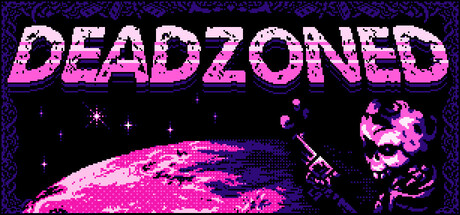
- Pixel Art Style Praised
- Enjoyable Core Gameplay Loop
- Caiys Signature Style and Humor
- Combat feels shallow and repetitive
- High RNG leads to unfair deaths
- Poor visual readability
Emotions
Archetypes
What players like:
Common complaints:
Gameplay feedback:
Performance notes:
Recommendations:
Other player notes:
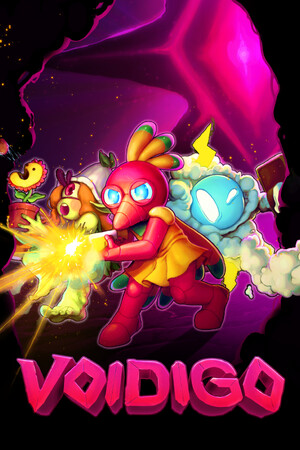
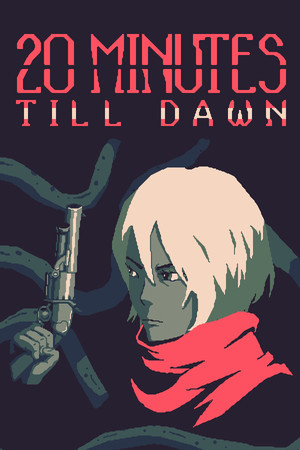
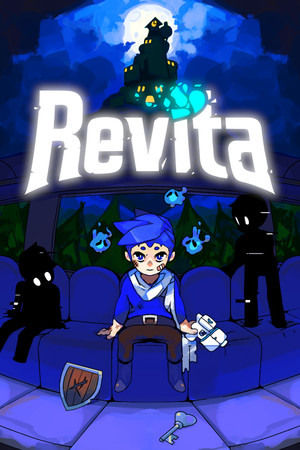
Similar games
Blend with other games





Review evidence
Why players say this
Review evidence
Why players say this
Steam review verdict
Charming pixel art, Caiys' humorous style, and a fun loop, but shallow repetitive combat, unfair RNG deaths, and poor visual readability hold it back.
What players like
Pixel Art Style Praised: Many reviewers highlight the pixel art as a major highlight, describing it as glorious and gorgeous with warm colors. The stylized and unique color palette further enhances the visual appeal.
Enjoyable Core Gameplay Loop: The core loop of moving, shooting, and looting is repeatedly described as enjoyable and addictive. Players appreciate the satisfying balance between action and reward.
Caiys Signature Style and Humor: Fans note the graphics, humor, and concepts are consistent with other Caiys games. The game has the charm and creative joy typical of the developer.
Good Introduction to Roguelikes: The game serves as a perfect gateway for newcomers, teaching crucial basics and making the genre less intimidating. It streamlines the experience while preserving tactical depth.
Deep Character Development: Character development offers considerable room for experimentation, with many choices that matter to survival. Talents and gear provide varied builds.
Common complaints
Combat feels shallow and repetitive: Players report that combat lacks variety and becomes monotonous over longer play sessions. The absence of grenades, items, equipment, and powers makes each encounter feel the same.
High RNG leads to unfair deaths: The game is extremely luck-based, with runs ruined by bad draws and unpredictable enemy damage. One player lost 160HP to a single trash enemy despite playing well.
Poor visual readability: Graphics blend together and make it hard to identify interactable objects or understand what is happening on screen. Players want an option to simplify visuals for readability.
Weapon durability is frustrating: Durability is hidden unless a talent is taken, and weapons break permanently at zero, often during combat. Players cannot check durability directly, only estimate it.
Scarce healing and ammo: Healing is limited and hard to recover within a zone, while ammo scarcity forces careful weapon choices. This adds to the game's difficulty and resource management pressure.
Gameplay and performance
Traditional Roguelike Combat and Looting: The game is a traditional turn-based, grid-based roguelike focused on shooting enemies, looting weapons and gear, and descending through zones. Combat combines melee and ranged gunplay.
Varied Weapons, Enemies, and Classes: Players encounter many different enemies and weapons, with multiple classes like Vampire Highborn and Deprived that offer unique playstyles and talents. Each class can be built in various ways through talent trees.
Unlockable Progression and Leaderboards: Death unlocks new characters and maps, and leaderboards track mastery for specific classes and modes. The game also features a compendium with achievements, card collection, bestiary, and more.
Strategic Depth and Risk-Reward Choices: Positioning, resource management, and choices affect survival, with a volatile aspect where small mistakes can lead to bigger ones. Optional encounters and dangerous areas offer better loot but higher risk.
Multiple Game Modes with Varying Lengths: The game offers three game modes that differ mainly in length: 5, 10, and 15 zones deep. The longer modes unlock after winning the previous one, and each mode has its own final challenge.
Great performance on Steam Deck: The game runs great on Steam Deck, indicating good optimization for portable hardware. This is a positive sign for players using handheld devices.
Visual settings demand compromises: Players may need to adjust demanding visual settings to achieve desirable performance or battery life. This trade-off can still be worthwhile for those prioritizing consistent performance.
Launch crashes resolved over time: The game crashed every 10 minutes on release, which was annoying but typically improved within a few weeks. This pattern is common for games with post-launch stability patches.
Ultrawide support works at 4K: On a 3440x1440 monitor, the game looked fine when rendered at 3840x2160 despite lacking a dedicated ultrawide setting. This suggests that higher resolutions can mitigate ultrawide compatibility issues.
Blurry visuals at lower resolutions: At lower resolutions, the game appears blurry on certain monitors, indicating poor scaling or lack of optimization for sub-native resolutions.
Recommendations
Ideal Gateway to Traditional Roguelikes: Many reviewers highlight the game as an accessible entry point for newcomers to the traditional roguelike genre, offering a less intimidating experience while still appealing to genre veterans.
Excellent Value for Low Price: Multiple reviewers note that the game is very affordable, often priced around five dollars, and consider it well worth the cost even in early access.
Strong Support for Indie Developer: A portion of the feedback emphasizes supporting the solo indie developer behind the game, with players recommending purchase as a way to show appreciation for their work.
Ideal for Minmaxers and Score Chasers: Fans of roguelikes who enjoy optimizing characters and chasing high scores will find the mechanical clarity and replayability satisfying.
Bite-Sized Runs Suit Busy Schedules: The game's short runs make it a convenient time filler between daily obligations, while still allowing for longer sessions when desired.
Buying context
Session length: 2.0h.
Endgame: 50.0h.
Players widely describe the game as immediately addictive and easy to pick up, especially for experienced roguelike players; a short tutorial is enough for newcomers. Launch crashes, an initially unclear tutorial, and early deaths are friction, but they do not establish a later fun threshold.
Friction: Release crashes about every 10 minutes; Initial tutorial lacked explanations for many systems; Repeated deaths during the first hour or so.
Unlock drivers: Short tutorial gets players adventuring; Developer added more tutorial information; Post-release patches improve crash issues over a few weeks.
Player profiles
Traditional Roguelike Veteran: Plays turn-based runs, picks up deep systems without tutorials, and leverages class/talent builds to manage difficulty. Motivation: Authentic traditional roguelike mechanics with modern polish and fair challenge. Stance: buy.
Solo Developer Loyalist: Follows the developer's catalog and plays new releases, regardless of roguelike experience. Motivation: Supporting the solo developer and experiencing the signature charm of their games. Stance: buy.
No-Grind Chill Run Seeker: Plays short casual runs, ignores overwhelming collection systems, and only checks equipment when needed. Motivation: Quick dopamine from chill runs without grinding or heavy metaprogression. Stance: buy.
Platform notes
Steam Deck: The available feedback shows a largely seamless Steam Deck experience. Users describe the game as officially Steam Deck Verified, with working controls and an interface that remains usable on the smaller display. The only caveat is that demanding visual settings may benefit from optional performance or battery-life adjustments. A non-English review also recommends the tutorial for learning the UI and controls, which points to helpful onboarding rather than a technical barrier.
Linux and Proton: No user reviews or Linux/Proton compatibility evidence were provided in the request. As a result, no themes, quotes, or friction assessment can be generated.
Other review notes
Developer Caiysware signature style: Developed by caiys (and published by caiysware), the game shares the developer's characteristic pixel art, unlockables, and game modes. It is compared to other Caiysware titles like Boneraiser, Spirits Abyss, and Voids Vigil.
Modernized traditional roguelike formula: The game is repeatedly described as a traditional roguelike that streamlines and modernizes the genre, making it more approachable than classics like ADOM, ToME, Caves of Qud, and NetHack. It serves as a gateway for players new to the genre while still satisfying veterans.
Steam Deck and controller support: The game is officially Steam Deck Verified and works well with controllers, including full controller input, appropriate prompts, and smooth navigation. Xbox controller controls are detailed, and it plays great on TV.
Content and replayability features: The game includes three map types, ten characters, leaderboards for each map, and a compendium with achievements, card collection, bestiary, talents, and items. Unlockable classes and depth options (6 floors or longer runs) provide replayability.
Comparisons to Jupiter Hell and others: Reviewers compare the game to Jupiter Hell (as a perfected version), Monster Lily, Infra Arcana, and Jupiter Hell Classic. It is also likened to Crypt of the Necrodancer without rhythm and 7DRL-style scope.