- Exceptional boss design and fights
- Highly addictive and enjoyable gameplay
- Engaging multiplayer with balanced difficulty
- Lack of content and repetitive gameplay
- Poor multiplayer experience reported by some
- Problematic relic and loot systems
Emotions
What players like:
Common complaints:
Gameplay feedback:
Performance notes:
Recommendations:
Other player notes:
Similar games
Blend with other games







Review evidence
Why players say this
Review evidence
Why players say this
What players like
Exceptional Boss Design & Fights: The bosses are a major highlight, described as well-designed, challenging, and cinematic. Players find immense satisfaction in learning patterns, improving skills, and ultimately defeating formidable enemies, especially in cooperative play. The variety, unique mechanics, and visual/audio presentation of boss fights are frequently lauded.
Highly Addictive & Enjoyable Gameplay: Players consistently praise the game's core gameplay loop as incredibly fun, addictive, and highly replayable. Many report losing track of time, playing for hundreds of hours, and feeling a strong desire to return even after defeats. The game offers a strong sense of accomplishment and a positive feedback loop.
Engaging Multiplayer & Balanced Difficulty: The game provides a unique and highly enjoyable multiplayer experience, particularly with friends, fostering camaraderie and shared challenges. The difficulty is generally considered high but fair, offering a good challenge for solo players, random teams, and organized groups alike. Matchmaking is often smooth, and the community is largely collaborative.
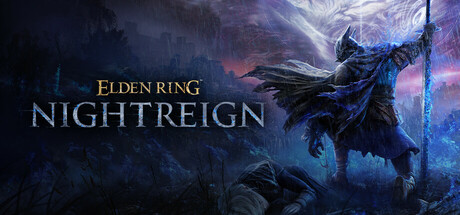
Fresh Take on Souls-like Formula: The game successfully blends the challenging combat of the Souls series (especially Elden Ring) with roguelike and cooperative elements. It offers a faster-paced, more accessible, and multiplayer-focused experience that appeals to both Souls veterans and newcomers, while retaining the core combat and atmosphere.
Diverse & Fun Characters/Classes: The game features a roster of unique and well-designed characters/classes, each offering distinct playstyles, abilities, and story quests. This diversity encourages experimentation and contributes significantly to the game's replayability, ensuring players can find a character that fits their preferred combat style.
Common complaints
Lack of Content and Repetitive Gameplay: The game is widely criticized for its severe lack of content, including limited maps, enemy types, and overall variety. This leads to highly repetitive gameplay loops that quickly become boring and tedious, especially after the initial hours. Many players feel the game is unfinished, overpriced, and fails to deliver on the promise of a rich, replayable experience, often feeling like a 'cash grab' or a 'mod' rather than a full-fledged title.
Poor Multiplayer Experience: The multiplayer aspect is severely hampered by frequent disconnections, unstable servers, and a lack of essential communication tools like voice or text chat. Playing with random teammates is often frustrating due to uncooperative behavior, early quitting, and skill disparities, which can ruin runs and lead to unfair penalties. The game's design often punishes solo players or those left behind by disconnected teammates, as boss scaling remains for a full party.
Problematic Relic and Loot Systems: The relic system is heavily criticized for its excessive randomness, often providing useless or contradictory effects, and requiring an arduous grind for minimal impact. Many relics come with significant disadvantages, making build crafting difficult and unrewarding. Similarly, random weapon and loot drops frequently provide unsuitable items for a character's build, forcing players into suboptimal playstyles and making success feel overly dependent on luck rather than skill.
Unbalanced Difficulty and Steep Learning Curve: The game presents an extremely high and often unfair difficulty, particularly in higher 'Depth of Night' modes, where enemies become 'one-shot' killers with inflated stats. This artificial difficulty, combined with a steep learning curve and a lack of in-game explanations, makes the game inaccessible and frustrating for new or casual players. The long run-back times after death exacerbate this issue, making trial-and-error costly and discouraging.
Flawed 'Deep of Night' Mode: The 'Deep of Night' update is largely seen as a disappointment, primarily increasing difficulty through numerical stat inflation rather than introducing meaningful new content or mechanics. Players criticize its punishing scoring system, lack of worthwhile rewards, and how it exacerbates existing game issues like repetitive bosses and unbalanced character viability. Many feel it's a 'lazy' and 'unreasonable' attempt to extend gameplay.
Gameplay and performance
Roguelike Core Gameplay: The game is fundamentally a roguelike, incorporating elements like randomized weapons, items, abilities, and map layouts. Each run offers a different experience, with players starting from scratch and relying on RNG for progression, blending Souls-like combat with a roguelike structure.
Fast-Paced, Time-Limited Runs: Gameplay sessions are fast-paced and time-limited, typically lasting 30-50 minutes. Players are constantly rushed to explore, gather resources, level up, and defeat bosses before nightfall or a shrinking combat zone forces confrontation. This creates an intense, speedrun-like experience.
Predefined Characters and Classes: Instead of traditional character creation, the game offers a roster of 8 predefined 'Nightfarer' characters, each with unique skills, stats, and playstyles. These characters represent different classes (e.g., melee, ranged, magic) and influence weapon preferences, encouraging players to adapt to their chosen hero's strengths.
Nightlord Final Bosses: The ultimate objective of each expedition is to defeat a 'Nightlord' boss on the third day. Players choose from 8 unique Nightlords, each with distinct mechanics, and spend the preceding two days preparing by leveling up and gathering gear for these climactic battles.
Limited Map Variety with Shifting Earths: The game features a single base map, but 'Shifting Earth' events introduce minor variations by altering a portion of the landscape with different environments (e.g., volcano, snowy mountain). While adding some variety, some players feel these changes are not substantial enough to significantly impact replayability.
Persistent Server and Connection Problems: Players frequently experience disconnections, server lag, and general instability in online connectivity. These issues lead to interruptions during gameplay, including boss fights, and make the multiplayer experience frustrating due to rubber banding and delayed actions.
Widespread Performance Issues: Many players report significant performance problems, including frequent FPS drops, stuttering, and crashes across various PC configurations and consoles. These issues often worsen during intense boss fights or after updates, making the game unstable for a large portion of the player base.
Improved Performance Post-Patches: A smaller segment of players reports that performance and server optimization have improved significantly after certain patches. They note smoother gameplay, fewer crashes, and better connection stability compared to the game's initial state.
Recommendations
Multiplayer Enhances Experience: Playing with friends significantly improves the game's enjoyment and manageability. While solo play is possible, it is often described as more frustrating, difficult, and less fun. Many reviewers strongly advise against playing solo or with random teammates due to coordination challenges.
Mixed Reception and Conditional Recommendation: Overall sentiment is mixed, with many recommending the game but often with significant caveats regarding its difficulty, multiplayer focus, and current state. Some reviewers strongly advise against purchasing, especially for solo players or those new to the genre, while others enthusiastically recommend it.
Target Audience: Souls-like Veterans: The game is highly recommended for experienced players of Souls-like games, especially Elden Ring, who seek a fast-paced, challenging, and often multiplayer-focused experience. It is generally not recommended for newcomers to the genre or those expecting a traditional, slow-paced RPG with deep exploration.
FromSoftware's Experimental Title: The game is viewed as an experimental title from FromSoftware, diverging from their traditional Souls-like formula by incorporating roguelike and multiplayer elements. This experimentation is appreciated by some but criticized by others who feel it deviates too much from the core Souls experience or lacks the usual FromSoftware polish.
Future Content and Improvements Needed: Many players express hope for future updates and DLC to address current issues, add more content (bosses, maps, characters, weapons), and refine existing mechanics. The game's current state is often seen as incomplete, with potential for significant improvement.
Other review notes
Developer Support & Future: Players are hopeful for continuous updates and DLC to address current issues and expand content, seeing the game as a long-term project. There's a mix of appreciation for FromSoftware's experimentation and concern about their ability to manage a 'live-service' type game.
Asset Reuse & Lore: The game extensively reuses assets from Elden Ring and other FromSoftware titles, which some see as fan service and others as a 'low-cost attempt' or 'asset flip.' The lore is generally appreciated for complementing the Elden Ring universe, though some wish for deeper emotional investment.
Gameplay Balance & Customization: Players suggest various tweaks to improve gameplay, such as extending time limits, enhancing progression, and refining character/relic balance. There's a strong desire for more customization options for skills, weapons, and relics, including crafting systems and class-specific loot.