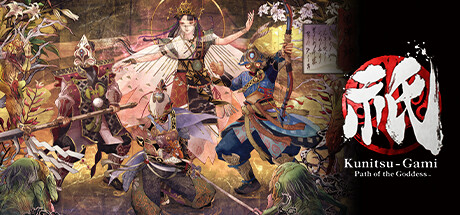
- Stunning art style and design.
- Engaging action, tower defense hybrid gameplay.
- Rich Japanese mythology and setting.
- Engaging gameplay and high replayability.
- Tedious village management/base-building.
- Repetitive gameplay, lacks depth.
What players like:
Common complaints:
Gameplay feedback:
Performance notes:
Recommendations:
Other player notes:
Similar games
Blend with other games






Review evidence
Why players say this
Review evidence
Why players say this
What players like
Stunning art style and design: The game features a unique and captivating art style inspired by traditional Japanese art, with exceptional designs, animations, sound, and music. The game world is immersive and visually stunning, with meticulous attention to detail in character and enemy models, textures, and environments. This creates a cohesive and memorable artistic experience.
Engaging gameplay and high replayability: The game offers a refreshing and engaging experience with a well-designed gameplay loop, a rewarding sense of progression, and high replayability. The difficulty is balanced, providing a challenge without being overly frustrating, and the game respects the player's time by avoiding excessive grinding or hand-holding. The game also avoids predatory monetization practices.
Innovative tower defense fusion: The game innovatively combines tower defense with Capcom's signature hack-and-slash gameplay, creating a unique and refreshing experience. The action elements feel great due to Capcom's expertise, and the game benefits from a high production budget, resulting in a polished and enjoyable experience. This fusion of genres sets it apart from typical tower defense games.
Rich Japanese mythology and setting: The game is deeply rooted in Japanese mythology and folklore, featuring a rich and authentic cultural setting. The game world is beautifully crafted, with detailed environments, unique monster designs inspired by yokai, and traditional music that enhances the immersive experience. This creates a captivating atmosphere that appeals to those familiar with Japanese culture.
Capcom's creative risk-taking appreciated: The reviewer appreciates Capcom's willingness to experiment with new IPs and take creative risks, resulting in a unique and enjoyable game. This is seen as a positive departure from their typical releases and a return to their PS2-era experimentation. The reviewer commends Capcom for supporting innovative content and pushing boundaries within the gaming industry.
Common complaints
Repetitive gameplay, lacks depth: Many reviewers found the game repetitive due to limited gameplay variety, monotonous tasks like village reconstruction, and replaying levels. This repetition, combined with a lack of engaging story or strategic depth, leads to boredom and diminishes replay value. The game feels padded and overstays its welcome.
Weak story, shallow characters: The game suffers from a weak or non-existent story, underdeveloped characters, and minimal voice acting. Reviewers found the narrative unengaging and the characters difficult to connect with. This lack of narrative depth detracts from the overall experience and reduces player motivation.
Overpriced for content provided: A significant number of reviews mention that the game's price is too high for the amount of content offered. Reviewers feel the game is overpriced compared to its length, depth, and overall production value. This is a major barrier to recommending the game, especially considering its other shortcomings.
Tedious village management/base-building: The village management and base-building aspects are frequently described as tedious and a chore. Tasks like resource collection, repairing structures, and assigning villagers are repetitive and time-consuming. The lack of quality-of-life features and meaningful rewards makes this mechanic feel like unnecessary busywork.
Inconsistent, poorly designed boss fights: Many reviewers found the boss fights to be inconsistent in quality, ranging from poorly designed and frustrating to too easy and uninspired. Some boss fights felt out of place, and the final boss encounters were particularly criticized for being uninspired or relying on artificial difficulty spikes.
Gameplay and performance
Action, tower defense hybrid gameplay: The game uniquely blends action, tower defense, and RTS elements, with players controlling a protagonist who fights alongside strategically deployed villagers. Progression involves unlocking upgrades for both the hero and villager classes, adding depth and customization. The core gameplay loop includes daytime preparation and nighttime defense against waves of enemies.
Day/night cycle, escort missions: The game features a day/night cycle where players prepare defenses and rescue villagers during the day, then defend against waves of enemies at night. Escort missions involve guiding a priestess across the map, adding a unique twist to the tower defense formula. Boss battles offer a change of pace, requiring different strategies and unit compositions.
Strategic villager management/roles: Players strategically manage villagers by assigning them to different roles (melee, ranged, support) and positioning them on the battlefield. The game features a variety of unit types, each with unique strengths and weaknesses, requiring players to adapt their strategies based on the enemy composition. Villagers act as movable towers, adding a dynamic element to the tower defense gameplay.
Unique level gimmicks/challenges: Levels often feature unique gimmicks that appear a maximum of two times, ensuring players understand the mechanics. Every chapter features unique layouts, new enemies, and unique set pieces. The game features challenges in each mission to add variety.
Customizable upgrades/free respecs: The game allows players to tailor upgrades to suit their play styles. The game features a skill tree system that allows for free respecs at any time, encouraging experimentation. Players can reset their character enhancements for free, allowing for customization based on the stage.
Generally well-optimized, smooth performance: Many players report smooth performance, even on older hardware like the GTX 1050 Ti. Some users with newer hardware (RTX 4070Ti) experience occasional crashes. Optimization is generally considered good, with some noting improvements since the demo.
Good Steam Deck compatibility: The game generally runs well on the Steam Deck, though some graphical compromises may be necessary to maintain a stable frame rate. Some users report frame rate drops even with reduced wattage.
Supports ultrawide, DLSS, FSR, raytracing: The game supports ultrawide monitors, DLSS, FSR, and ray tracing.
Fast loading times: Loading times are generally fast, with some players experiencing only slight hiccups.
Discord may cause crashes: Streaming the game via Discord may cause crashes; streaming the display screen is a workaround. SpecialK can be used to address issues when running the game with Discord.
Recommendations
Unique, fun, and highly recommended: The game is widely praised as a unique, high-quality, and addictive experience, with many considering it a Game of the Year contender or a hidden gem. Reviewers highlight its originality and fun factor, urging players to try it and hoping for more games like it in the future. Some reviewers also mentioned that the game exceeded their expectations.
Good for genre fans: The game is recommended for fans of tower defense, action, and strategy games, especially those who enjoy unique genre blends. Some reviewers note that the game may not appeal to hardcore fans of any single genre, but is a good entry point for newcomers. The game is also recommended for those seeking an alternative to standard AAA games.
Support Capcom's innovation: Reviewers express strong support for Capcom's willingness to create unique and experimental titles, hoping they continue to invest in similar projects. They believe supporting new IPs and innovative game design is crucial for the industry's future. Some reviewers also thank Capcom for making this game.
Wait for a sale: Many reviewers suggest waiting for a sale or price reduction before purchasing the game. While they find the game enjoyable and worthwhile, they believe the full price may be too high for the content offered. Trying the demo or using a subscription service is also recommended to assess the game before committing to a purchase.
Appeals to Japanese culture fans: The game is recommended for those interested in Japanese culture, folklore, and aesthetics, drawing comparisons to titles like Okami and Mononoke. Reviewers suggest it's a good way to experience Japanese folk tales and mythology. However, one reviewer suggests that watching similar content on YouTube may be a better alternative if gameplay is a concern.
Other review notes
Minimalist, visual storytelling: The game employs minimalist storytelling, relying on visual cues, character movements, and environmental details to convey the narrative. There is little to no dialogue, which may be a stylistic choice or a result of budget constraints.
Capcom's experimental project: Reviewers commend Capcom for taking risks and supporting smaller, experimental projects like this game. It's seen as a unique and welcome departure from typical AAA titles, showcasing the company's willingness to innovate.
NG+ for true ending: The game features a New Game Plus mode that is essential for experiencing the complete story and unlocking the true ending. This encourages players to engage with the game multiple times to uncover all its secrets and content.
Subjective comparisons/feelings: These points are mostly subjective comparisons to other games or personal feelings about the game. They do not provide specific feedback on the game's mechanics or features.
Story: purification, folklore themes: The story centers on a protector and a goddess working together to purify a corrupted mountain and save its people. It explores themes of environmentalism, humanity's impact on nature, and the relationship between humans and the spiritual world, drawing heavily from Japanese folklore and mythology.