- Fun and engaging gameplay
- Solid tower defense core
- Great genre mix
- Repetitive gameplay loops
- Meta-progression is too grindy
- Difficulty spikes are unfair
Emotions
Archetypes
Hardware
What players like:
Common complaints:
Gameplay feedback:
Performance notes:
Recommendations:
Other player notes:
Similar games
Blend with other games






Review evidence
Why players say this
Review evidence
Why players say this
Steam review verdict
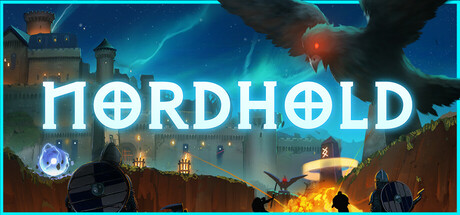
Fun, engaging tower defense with a great genre mix, though repetitive loops, grindy meta-progression, and unfair difficulty spikes hold it back.
What players like
Fun and engaging gameplay: Many reviewers find the game highly enjoyable and addictive, with fresh and captivating gameplay that keeps them hooked.
Solid tower defense core: Reviewers consistently describe it as a well-designed and demanding tower defense game with depth.
Great genre mix: The combination of tower defense, roguelite, city building, and strategy elements is praised as a unique and effective blend.
High replayability: The game offers extensive replay value due to randomness and varied gameplay loops.
Good graphics and visuals: Graphics are frequently praised as beautiful, pleasant, and fitting for the game's style.
Common complaints
Repetitive gameplay loops: Players frequently report that the game becomes repetitive, with repeated plays featuring mostly identical content and actions. Late-game loops and recent updates exacerbate the repetition.
Meta-progression is too grindy: Players find the meta-progression excessively grindy, stretching out gameplay and requiring long grinding sessions for minimal progress. Glory points are also noted as nearly impossible to fully grind.
Difficulty spikes are unfair: The game features sudden and unfair difficulty spikes, such as around level 37 or 38, and endless mode scaling becomes unreasonable after wave 30. Difficulty can ramp beyond the player's control around wave 28-30.
Poor game balance: Many reviewers criticize the overall balancing as horrible or atrocious, with unfun difficulty spikes and a balance that takes a nosedive. Tower and enemy balance is also cited as poor.
Lacks depth and content: The game is described as shallow, lacking depth and overall content. Some also note there is no story or campaign mode, and the game feels short.
Gameplay and performance
Tower defense roguelite hybrid: Players consistently describe the game as a blend of tower defense and roguelite mechanics. This core identity is the most frequently mentioned aspect, combining strategic defense with run-based progression.
Resource and economy management: The game heavily features resource management and economic systems alongside tower defense. Players note that managing resources is a core mechanic, often tied to city building and upgrades.
Tower upgrades and banners: Tower progression is driven by upgrades and a banner system that allows for customization. Players highlight the depth of upgrade paths and the strategic choice of banners to enhance towers.
Meta progression and unlocks: Persistent progression between runs is a key feature, with unlocks and upgrades that carry over. Players appreciate the sense of advancement and the additional layers of strategy it provides.
Tower variety and types: The game offers a diverse roster of towers, each with unique roles and upgrade options. This variety supports multiple strategies and replayability.
Performance issues on high waves: Many players report severe frame rate drops and freezes during later waves or when many towers and enemies are present. The game becomes unplayable even on lower settings, especially at high speeds or endless levels.
Freezes and stutters from upgrades: Applying bulk tower upgrades or purchasing certain upgrades can lock up the game for seconds and trigger unresponsive application errors. Microstutters also occur when units spawn or die.
Optimization improved since beta: Early beta versions had heavy optimization issues, but the game now runs smoothly on low-end PCs and even with many background tasks. Save system stability has also been optimized.
High GPU and CPU load: Despite low-poly graphics, the game uses excessive GPU load and is CPU intensive, causing laptops to run hot and performance to suffer. Some compare it unfavorably to more demanding titles.
Stable performance with many entities: Several players report stable performance with hundreds of enemies and towers on screen, with no crashes and decent frame rates on capable hardware.
Recommendations
Strong overall recommendation: Many reviewers give the game a wholehearted recommendation, with some simply urging others to buy it without hesitation.
Must-try for tower defense fans: Many reviewers strongly recommend the game to anyone who enjoys tower defense, calling it one of the best in years and an excellent value.
Wait for a sale: A significant number of players suggest buying the game only on discount, as they feel it is not worth the full price.
Appeals to strategy and roguelike fans: Players who enjoy strategy, roguelikes, or resource management particularly appreciate the game, recommending it to like-minded gamers.
Worth the price: Several players feel the game offers good value for money, describing it as a bargain for the amount of fun it provides.
Buying context
Community fair range: $10.00 - $15.00.
Game completion: 40.0h.
Story completion: 10.0h.
Session length: 2.0h.
Endgame: 80.0h.
Nordhold often feels grindy and difficult before enough meta-progression and core mechanics are unlocked, after which many players report the game becomes enjoyable; a substantial minority instead find it addictive immediately or lose interest later.
Friction: Tedious meta-progression grinding before the game feels good; Hard early runs with limited meta-progression and only normal difficulty; Useful buildings, towers, and power boosts unlock slowly or late; Repeated failures and minor progress before improvement; Repetitive early game and limited map variety; Village management and switching between base and battlefield feel tedious.
Player profiles
Strategic Tower Defense Optimizer: Plans economy and military timing, experiments with build combinations, and chases stronger meta progression. Motivation: Optimizing economy, tower synergies, and meta upgrades across repeatable runs. Stance: buy.
Chill Viking Base-Builder: Plays at a casual pace, uses chill or comfortable modes, and enjoys watching defenses melt enemy waves. Motivation: Relaxing base-building and satisfying wave-clearing in a Viking atmosphere. Stance: buy.
Frustrated Endgame Min-Maxer: Researches top build orders, economy-rushes early turns, and repeats a narrow set of effective tower combinations. Motivation: Pushing high waves and ascension or leaderboard progression, even through repetitive meta grinding. Stance: no buy.
Platform notes
The 8-11GB VRAM cohort is generally positive but notes early-beta roughness and high fan noise, while the 16GB+ VRAM cohort reports severe optimization problems, including major FPS drops and freezes even on high-end hardware.
Windows 8-11GB VRAM: positive. The included review is recommended but reports rough early-beta performance and loud fan noise on both older and newer configurations.
Windows 16GB+ VRAM: negative. Multiple reviews report severe optimization issues, with FPS falling to single digits under tower effects and random freezes when upgrades are applied, despite some recommendations.
Steam Deck: Steam Deck users can run and enjoy the game, and multiple reviews describe it as a good handheld fit. However, the experience is not fully seamless: interface text and buttons are small, readability often depends on FSR and sharpness settings, and controller support is limited enough that users rely on custom layouts, trackpads, mouse input, or Desktop Mode. There is no evidence of launch failures, anti-cheat errors, or frequent crashes.
Linux and Proton: The available feedback contains no Linux or Proton-specific failures. One reviewer reports easy Steam Link streaming from a Linux-based PC, and another played on a Steam Deck in Desktop Mode without describing launch or compatibility blockers. Performance is described as adequate with FSR, but the evidence is sparse and does not point to meaningful Linux compatibility issues.
Extra review signals
Monetization: Most reviews describe a one-time purchase with optional support DLC, no season pass, and no confirmed pay-to-win shop. However, one review directly reports that temple rerolls can be paid for repeatedly and ties repeated progression choices to making a system function, which is evidence of paid convenience tied to progression. The overall picture is mixed: general monetization is restrained, but the paid reroll mention keeps the score in the aggressive range.
External guides: The audit finds the dominant complaint is a wiki tax tied to learning opaque systems: users need external build guides, tutorials, and wiki explanations to understand mechanics and progress. Spreadsheet and Excel language is present but describes math-heavy optimization, not inventory or crafting valuation. Under the strict priority rules, the evidence matches Tier 3 instructional data and does not meet Tier 1 or Tier 2 triggers.
Other review notes
Active updates and developer support: The game receives frequent patches and planned updates, and developers are responsive to community feedback.
Unfavorable comparisons to cheaper games: Reviewers compare the game unfavorably to cheaper and better tower defense games on Steam and mobile, including free flash and browser games.
Strong comparisons to Rogue Tower: Reviewers frequently compare the game to Rogue Tower, noting it expands on and improves the formula with a town metagame and more depth, and some call it a better clone.
Many hours of playtime: Reviewers report getting many hours of play, with some mentioning 20-40 hours or more, and considering it good value for the price.
Multiple game modes: The game offers several modes beyond the main 30-wave campaign, including endless mode and others that change runs.