- Compelling story, characters, and presentation.
- Significant quality-of-life improvements implemented.
- Highly recommended remaster for existing fans.
- Complex, strategic combat system.
- Obtuse mechanics; lacks in-game guidance.
- Tedious and punishing game mechanics.
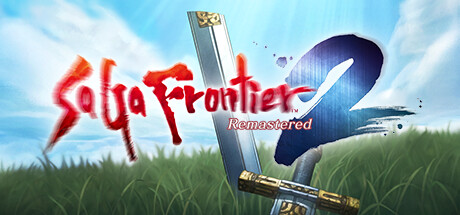
What players like:
Common complaints:
Gameplay feedback:
Performance notes:
Recommendations:
Other player notes:
Similar games
Blend with other games 85%Tales of Graces f Remastered
 84%LUNAR Remastered Collection
 83%Legend of Mana
 82%Suikoden I&II HD Remaster Gate Rune and Dunan Unification Wars
 82%DRAGON QUEST VII Reimagined
 82%FINAL FANTASY VIII - REMASTERED
 82%Baten Kaitos I & II HD Remaster
 82%Romancing SaGa 2: Revenge of the Seven
 82%BRAVELY DEFAULT FLYING FAIRY HD Remaster
 82%The Legend of Heroes: Ao no Kiseki KAI
 82%Romancing SaGa -Minstrel Song- Remastered
 82%The Legend of Heroes: Zero no Kiseki Kai
Review evidence
Why players say this
Review evidence
Why players say this
What players like
Compelling story, characters, and presentation: The game features a compelling narrative complemented by memorable characters, enriched by high-quality music and appealing visuals. Many reviewers highlight the story and music as standout features, contributing significantly to the game's immersive atmosphere and emotional impact.
Significant quality-of-life improvements: The remaster includes several quality-of-life improvements that enhance the gameplay experience. These include adjustable game speed, improved UI elements, and faster loading times, all contributing to a smoother and more enjoyable experience compared to the original.
Character stat inheritance added: The remaster introduces a character stat inheritance system, allowing players to carry over progress and strengthen new characters. This feature adds depth to character development and reduces the need for repetitive grinding.
Substantial additional scenario content: The remaster includes substantial additional scenarios that expand the story and provide further content after completing the main game. These additions flesh out the world and clarify previously unclear aspects of the narrative.
PocketStation content fully implemented: The remaster fully implements the PocketStation minigame, previously a peripheral exclusive, allowing players to access additional content and items. This feature provides a more complete experience for those who missed out on the original content.
Common complaints
Obtuse mechanics; lacks guidance: The game's lack of clear direction, obtuse mechanics, and inadequate guidance frequently leave players confused and lost, especially new players. This can lead to frustration and getting stuck, hindering enjoyment.
Tedious/punishing game mechanics: Several reviews mention tedious mechanics, such as equipment management and weapon breaking. These mechanics can be frustrating for casual players.
Inconsistent, poor visual upscaling: The game suffers from inconsistent and poorly executed visual upscaling, resulting in blurry backgrounds, mangled portraits, and a lack of depth perception in certain areas. This detracts from the overall presentation and can make it difficult to navigate the environment.
Missable content; irreversible choices: The game contains missable content and punishing points of no return. Players can accidentally skip significant portions of the game or make irreversible choices without clear warning.
Added scenarios poorly received: The added scenarios are poorly received, with some reviewers describing them as feeling like fan fiction. The added story content for certain characters is considered undesirable by some players.
Gameplay and performance
Complex, strategic combat system: The game features a complex combat system with duels, large-scale war battles, team-based turn-based combat, skill combos, and the ability to choose action order. The addition of roles further enhances the strategic depth of battles, offering varied combat styles.
Narrative-focused, linear structure: The game's structure emphasizes narrative and character development through independent episodes, sometimes limiting player agency. The story chapters can be followed chronologically, with the remaster adding a chronological list of events to aid players.
Unconventional SaGa gameplay rules: The game deviates from traditional RPG/JRPG systems, following SaGa rules that may be difficult for new players to grasp without external research. This unique structure may present an initial barrier to entry.
Magic system tied to affinities: Spell casting depends on equipped affinities and the environment, adding a layer of strategic consideration to magic use. Magic and metal are opposing forces, with metal armor limiting magic abilities but increasing resistance to enemy magic.
Growth ability inheritance system: Growth ability inheritance allows equipping characters' growth stats as enhancements, especially useful for characters with low growth potential or short availability periods. This mechanic adds depth to character customization.
Small install size: The game has a small install size, which may be convenient for players with limited storage space. This is a minor positive point, but not a major factor in the overall gameplay experience.
No bugs encountered: The reviewer reports encountering no bugs during their playtime. While positive, this is a single data point and doesn't guarantee a bug-free experience for all players.
Recommendations
Highly recommended remaster for fans: The remaster is highly recommended, especially for fans of the original game or series, and those seeking a classic JRPG experience. Reviewers highlight the improved playability and consider it a worthwhile purchase, even at full price. Some suggest it's a good entry point for newcomers.
Classic, all-time great: The game is considered a classic and one of the greatest of all time. This point lacks specific details and relies on general praise, reducing its importance.
Consider waiting for sale: One reviewer felt the price was too cheap, while another suggested waiting for a sale. This point has low importance due to conflicting opinions and lack of specific feedback.
Recommended for dot-like game fans: The game is recommended for people who like dot-like games. This point is very specific but has a low importance score due to the small number of mentions and limited constructiveness.
Easy keyboard operation: Keyboard operation might be easy to get used to. This point is very specific but has a low importance score due to the small number of mentions and limited constructiveness.
Other review notes
Epic story; intertwined character destinies: The game tells an epic, century-spanning story focused on the intertwined destinies of an exiled prince and an aspiring digger. The narrative is divided into two main storylines, one following Prince Gustave and the other William Knights, who excavates artifacts.
Toggleable additional features: The remaster introduces additional features that can be toggled on or off at the start of a new game. These features generally make the game easier, but players have the option to impose their own restrictions for a more challenging experience.
Elegant soundtrack by Masashi Hamauzu: The game's soundtrack, composed by Masashi Hamauzu, offers an elegant feel distinct from Kenji Ito's style. The track titles are in German, possibly due to the composer's German roots and connections.
Good-looking sprites and backgrounds: The game features visually appealing sprites and backgrounds, creating a watercolor-style aesthetic. This artistic direction extends to the story and background music, contributing to a cohesive and unique presentation.
'Digdig Tigger' feature added: The remastered version includes a 'digdig Tigger' feature, allowing three characters to mine simultaneously with support options. This enhances the mining aspect of the game, making it more efficient and engaging.