- Unique anthology structure with diverse short stories
- Engaging and connected narratives
- Excellent HD-2D remake visuals
- Combat is often tedious and shallow
- Short game length lacks depth
- Inconsistent and shallow story quality
Emotions
What players like:
Common complaints:
Gameplay feedback:
Performance notes:
Recommendations:
Other player notes:
Similar games
Blend with other games 83%STAR OCEAN THE SECOND STORY R
 83%The Legend of Heroes: Sen no Kiseki II KAI -The Erebonian Civil War-
 82%Sora no Kiseki the 1st
 82%DRAGON QUEST® XI S: Echoes of an Elusive Age™ - Definitive Edition
 82%Trails in the Sky 1st Chapter
 82%OCTOPATH TRAVELER™
 81%Trek to Yomi
 81%CRYSTAR
 81%OCTOPATH TRAVELER II
 81%Monochrome Mobius: Rights and Wrongs Forgotten
 81%Romancing SaGa 2: Revenge of the Seven
 81%Tales of Symphonia
Review evidence
Why players say this
Review evidence
Why players say this
What players like
Unique Anthology Structure: Players consistently praise the game's unique and innovative anthology structure, featuring multiple distinct mini-RPGs across different genres and time periods. This approach, especially for its original release era, is highlighted as a refreshing and trailblazing experience that keeps gameplay fresh and engaging.
Engaging & Connected Stories: The individual stories are well-received for their compelling narratives, distinct themes, and engaging characters. Players appreciate how these seemingly disparate stories ultimately tie together in a satisfying and often surprising manner, with the final chapter being a particular highlight.
Excellent HD-2D Remake: The HD-2D remake is highly lauded for its visual and audio enhancements, successfully modernizing the classic while retaining its charm. Players appreciate the gorgeous pixel art, improved graphics, and overall polished presentation, considering it one of Square Enix's best HD-2D efforts.
Superb Music & Voice Acting: The game's soundtrack, composed by Yoko Shimomura, receives widespread acclaim for its quality, memorability, and ability to enhance the mood of each chapter. The added voice acting in the remake is also frequently praised for its high quality and positive impact on the storytelling.
Strategic & Fun Combat: The combat system is frequently described as unique, enjoyable, and strategic, offering a refreshing alternative to traditional turn-based JRPGs. Its puzzle-like elements and varied mechanics across chapters contribute to a consistently engaging gameplay experience.
Common complaints
Short Length & Lack of Depth: Many players found the game's overall length too short for its price, leading to a lack of depth in story, characters, and world-building. This also contributed to a feeling of the game being underdeveloped, repetitive, and not worth the cost.
Tedious & Shallow Combat: The combat system is frequently criticized for being slow, tedious, and repetitive, lacking strategic depth. Players found battles boring, unbalanced (too easy or too grindy), and often feeling like a chore, especially in later chapters.
Inconsistent & Shallow Stories: The individual chapter stories are inconsistent in quality, often too short, and lack depth, making it difficult for players to connect with characters or their narratives. Some specific chapters (e.g., Prehistoric, Medieval, Near Future) were particularly disliked.
Disappointing Remake Quality: As a remake, the game is seen as disappointing, failing to address original flaws or implement modern design improvements. Many feel it's a 'half-baked' remake that relies too heavily on outdated mechanics.
Grindy & Frustrating Endgame: The final chapter is a significant pain point, often requiring excessive grinding and featuring obscure boss triggers. Players found it tedious and felt it negatively impacted the overall game experience.
Gameplay and performance
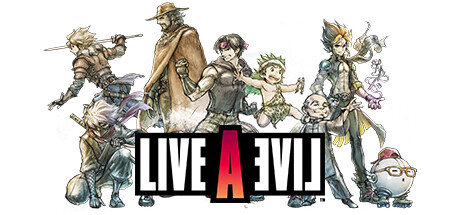
Anthology of Diverse Short Stories: The game is structured as an anthology of short, independent JRPG scenarios, each featuring a different protagonist, time period, and unique gameplay mechanics. Players can choose the order of these chapters, which typically range from 1 to 3 hours in length, with some exceptions.
Accessible Difficulty, Slow Combat: The game is generally not difficult and requires minimal grinding for most chapters, making it accessible even for non-RPG fans. However, combat can feel slow due to unskippable animations and frequent pauses, which might impact the pacing for some players.
Grid-Based Tactical Combat: The core combat system is a turn-based, grid-based tactical RPG with ATB elements, blending aspects of Final Fantasy Tactics and traditional JRPGs. While generally easy to understand, its depth is not fully utilized across all individual stories, becoming more prominent in the final chapter.
Unlocking Final Crossover Chapter: After completing the initial seven scenarios, a final, longer chapter unlocks, bringing all protagonists together for a climactic battle against a common foe. This chapter offers multiple routes and endings, requiring strategic character progression and potentially multiple playthroughs for full completion.
Bakumatsu Stealth/Combat Options: The Bakumatsu (Edo Japan) chapter offers a sandbox-like experience with options for stealth or combat (100-person kill or 0-person kill runs). It has hidden bosses and missable achievements, but some felt it lacked sufficient achievement support for its depth.
Performance optimization needed: Players report that the game exhibits subtle loading times and low GPU utilization, even on high-end hardware. This suggests potential optimization issues that could be addressed to improve performance.
Platform-specific bug: A specific bug is noted to be absent in the Nintendo Switch version of the game. This implies that a fix or different implementation exists on another platform that could be leveraged.
High resolution and framerate: The game is capable of running at 4K resolution and 120 frames per second, indicating strong graphical performance for players with compatible setups.
Recommendations
Highly Recommended JRPG Experience: The game is highly recommended, especially for fans of JRPGs and those looking for a unique or unconventional experience. Many consider it a classic and a must-play, even comparing it to other highly regarded titles in the genre.
Best for Retro JRPG Fans: The game is particularly recommended for players who enjoyed the original or are fans of classic Square Enix retro games and the HD-2D pixel style. New players or those expecting modern RPG conventions should be cautious, as it offers a very particular and historical experience.
Play First Without Guides: Players are advised to complete the game at least once without guides to fully experience the narrative. However, using a guide is recommended for subsequent playthroughs or to find hidden elements, especially in the final chapter.
Request More Classic Remakes: Players express a strong desire for Square Enix to continue remaking classic RPGs, citing Live A Live's success as a positive indicator for future remasters.
Don't Quit After First Story: If a player dislikes one of the initial stories, particularly the first one, they should not quit the game. The game's anthology structure means other chapters might appeal to them more.
Other review notes
Influential HD-2D Remake: The game is a significant remake of a 1994 Super Famicom RPG, notable for its unique anthology structure and influence on modern titles like Octopath Traveler and Undertale. Its HD-2D visual style is highly praised, with players hoping for similar remakes of other classic Square Enix SNES RPGs.
High Completion Rate & Engagement: Many players, including those new to the game, found it highly engaging and achievable, with numerous reviewers completing all achievements. The game's design makes 100% completion relatively easy and accessible, encouraging players to fully explore its content.
Price Sensitivity Noted: Several players purchased the game at a significant discount, indicating that the full price might be a barrier for some. This suggests that sales can strongly influence purchase decisions and perceived value.
Varied Player Backgrounds: Based on limited feedback, some players are first-timers to the game, while others draw comparisons to other JRPGs like SaGa Frontier. There's also a general sentiment about the evolution of Japanese games since the 90s.
Mixed Feelings on Extra Content: The additional battle content after the final boss was perceived by some as an unnecessary addition, though others appreciated the extra content. This suggests mixed feelings about post-game additions.