- Compelling story and great characters enhance experience
- Helpful quality-of-life improvements were implemented
- Enhanced graphics retain the original game's feel
- Evokes strong nostalgic feelings for returning players
- Recommended for JRPG fans of the genre
- Poor and/or different voice acting is a drawback

What players like:
Common complaints:
Gameplay feedback:
Performance notes:
Recommendations:
Other player notes:
Similar games
Blend with other games 87%FINAL FANTASY TACTICS - The Ivalice Chronicles
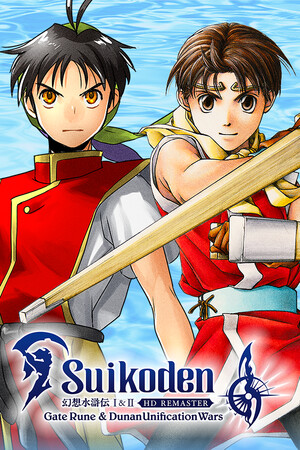 85%Suikoden I&II HD Remaster Gate Rune and Dunan Unification Wars
 85%DRAGON QUEST VII Reimagined
 85%Baten Kaitos I & II HD Remaster
 85%The Legend of Fancy Realm Remake
 84%Trails in the Sky 1st Chapter
 84%SaGa Frontier 2 Remastered
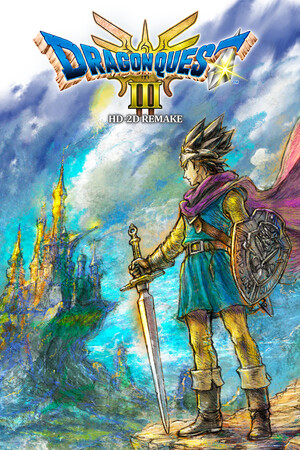 84%DRAGON QUEST III HD-2D Remake
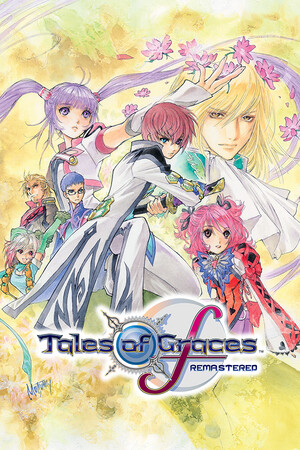 83%Tales of Graces f Remastered
 83%DRAGON QUEST I & II HD-2D Remake
 83%STAR OCEAN THE SECOND STORY R
 82%CHRONO TRIGGER®
Review evidence
Why players say this
Review evidence
Why players say this
What players like
Enhanced graphics, original feel: The remaster features enhanced graphics, including 4K resolution, widescreen support, and improved textures/cutscenes, while preserving the original pixel art. Players can often switch between classic and remastered versions. These visual improvements enhance the overall experience.
Compelling story, great characters: The game boasts a compelling story, well-developed characters, and an engaging battle system, all hallmarks of a classic JRPG. Reviewers highlight the charm, humor, and emotional depth of the narrative and characters, making them a significant strength of the game.
Helpful quality-of-life improvements: The remaster includes quality-of-life improvements such as adjustable battle speed and auto-battle, which reduce grinding and enhance the overall experience. These features streamline gameplay without straying too far from the original design.
Evokes strong nostalgic feelings: Many reviewers express strong nostalgia for the game, reminiscing about playing it in their childhood. The game successfully evokes these memories and captures the atmosphere of the original, contributing to its lasting appeal.
Memorable, high-quality soundtrack: The game features a memorable and top-notch soundtrack that retains its original beauty. Reviewers praise the music's quality and its ability to create ear worms, enhancing the overall experience.
Common complaints
Poor/different voice acting: The new voice acting is a major point of contention. Reviewers feel the new cast lacks the charm, emotion, and nuance of the originals, with specific complaints about Nall, Luna and Quark. Some even prefer the "cheesy" quality of the original Working Designs voice acting.
Overpriced for the quality: Several reviewers feel the remaster is overpriced for the quality and content offered. They believe the game doesn't justify its price tag compared to other games available.
Missing content from prior versions: Reviewers express disappointment over the exclusion of content from previous versions. Specifically, the absence of the Sega CD version, PSP content, and even the original game manual are noted. This makes the collection feel incomplete for some fans.
Bugs and performance issues: Some players have encountered bugs and performance issues, including lag, crashes, and lost save data. One reviewer describes Eternal Blue as a "bug-filled mess."
Technical issues in PC port: The PC port suffers from technical issues, including limited graphical settings, inconsistent frame rates, and scaling problems. These issues detract from the overall experience and suggest a lack of polish in the porting process.
Gameplay and performance
Classic, old-school JRPG style: The game retains its classic, old-school JRPG style from the 90s, reminiscent of games like FF6. This includes a simpler, turn-based battle system and unchanged mechanics, appealing to fans of the era.
Faithful script with evolving NPCs: The game features detailed NPCs with evolving dialogues and a script closely resembling the original PS1 version. While some minor alterations exist, such as updated jokes, the core narrative and character interactions remain largely intact.
Redesigned maps and enemy visibility: The map and dungeons have been redesigned, and enemies are now visible in the environment. This alters the exploration experience compared to the original game, allowing players to strategically avoid encounters.
Strategic inventory and item management: Characters have individual inventories for recovery items, adding a layer of strategic depth to combat encounters. Additionally, a new inventory system allows equipping items directly, potentially affecting item management later in the game.
Secrets and puzzle-solving maps: The game encourages exploration with secrets and puzzle-solving maps. These elements require players to think critically and explore thoroughly to uncover hidden content.
Limited resolution options: The game's resolution options are limited, with standard 16x9 and potentially some 16x10 options. Some reviewers have resorted to playing in windowed mode to achieve optimal pixel density due to the low-resolution 2D graphics.
Loading delays and pauses: The game suffers from noticeable loading delays before and after battles, consistent across Steam and Switch. Additionally, pauses occur when entering new rooms or during battles when using moves or items.
Underwhelming visual remaster: The remastered visuals are underwhelming, with some reviewers struggling to distinguish them from the original game. This suggests a lack of significant graphical improvements in the remaster.
Soft lock bug in boss fight: A soft lock bug occurs during the first boss fight, despite supposedly being fixed in a previous edition. This is a significant issue that can halt player progress.
Audio popping and stuttering: Several reviews mention audio issues, specifically popping and stuttering, which are most noticeable during voiced scenes. This detracts from the overall experience and immersion.
Recommendations
Recommended for JRPG fans: Many reviewers recommend the game, especially to JRPG fans and those seeking nostalgia. They consider the games classics and charming adventures. Some suggest it's a must-buy for genre enthusiasts, while others highlight its significance in RPG history.
Wait for fixes or sale: Many reviewers suggest waiting for patches or price drops due to bugs and performance issues. Some recommend sticking to older versions or emulation until the issues are resolved. Some reviewers are refunding the game due to the issues.
Watch credits after final boss: Players should watch the staff credits after defeating the final boss in the second game. This is a specific tip for players to enhance their experience.
Modern conveniences enhance experience: Modern conveniences in the remaster make it worth the cost of entry. This refers to quality of life improvements that enhance the gameplay experience.
Prefer older versions instead: The reviewer recommends playing Harmony (For Silver Star) and the PS1 Version of Eternal Blue instead. This suggests that the reviewer prefers the older versions of the game.
Other review notes
Includes two PS1 RPGs: The Lunar Remastered Collection includes Lunar: Silver Star Story Complete and Lunar 2: Eternal Blue Complete, originally for the PS1, now available on PC.
Minimal difference between modes: The game offers both Classic and Remastered modes, switchable within the same save file. However, the reviewer notes that the differences between the two modes are minimal, mainly consisting of minor UI changes and filters.
Frequent, voiced FMV cutscenes: The game features frequent, fully-voiced cinematic FMV cutscenes, which were notable for their time. The opening video retains the original lyrics but features a new vocalist.
Mods may improve game: The reviewer anticipates that mods will appear to improve the game. This suggests that the game may have some shortcomings that the community might address through modding.
General appreciation expressed: These points express general appreciation and excitement for the game's release and aesthetic. However, they lack specific details or constructive feedback, and one point seems like a joke, so the importance is reduced.