- Charming experience with enhanced visuals and art.
- Improved combat system and fleshed-out story.
- Excellent music and engaging characters.
- Disappointing gameplay and design.
- Poor English voice acting and songs.
- High random encounter rate.
Emotions
What players like:
Common complaints:
Gameplay feedback:
Performance notes:
Recommendations:
Other player notes:
Similar games
Blend with other games 84%Monochrome Mobius: Rights and Wrongs Forgotten
 83%Super Lesbian Animal RPG
 83%8-Bit Adventures 2
 82%The Legend of Heroes: Trails in the Sky
 82%Eiyuden Chronicle: Hundred Heroes
 82%OCTOPATH TRAVELER™
 82%Sea of Stars
 81%Cosmic Star Heroine
 81%WitchSpring R
 81%OCTOPATH TRAVELER II
 81%Kingdoms of the Dump
 81%Quartet
Review evidence
Why players say this
Review evidence
Why players say this
What players like
Charming & Enjoyable Experience: Players consistently praise the game for its overall enjoyable, charming, and nostalgic experience, highlighting its unique blend of classic JRPG elements with a lighthearted and humorous tone. Many found it a significant improvement over its predecessor.
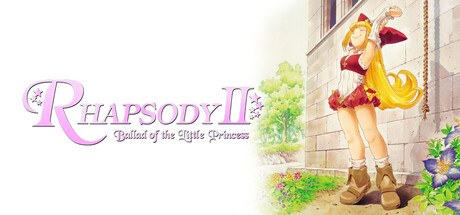
Enhanced Visuals & Art: The game's visuals, including hand-drawn backgrounds, detailed sprites, and vibrant pixel art, receive high praise. Players appreciate the enhanced visuals and attention to detail compared to the first game.
Improved Combat System: The combat system is frequently lauded for being a significant improvement over the first game, offering faster, more polished, and less tedious turn-based mechanics. Players appreciate the unique elements and comfortable tempo.
Fleshed-Out Story: The story is noted for being more fleshed out and engaging than the first game, with a good balance of humor and emotional depth. Players found the narrative compelling and well-developed.
Engaging Characters: The characters are a major highlight, with players appreciating their distinct personalities, charming interactions, and well-developed backstories. The protagonist, Kururu, is particularly noted for her engaging growth story.
Common complaints
Disappointing Gameplay & Design: Players found the overall gameplay experience to be significantly worse than the first game, citing a shift from tactical RPG elements to a more generic turn-based system. They also criticized the restrictive world exploration in the first half and the presence of easily missable content.
Poor English Voice Acting/Songs: The lack of English voice acting for songs and the absence of subtitles for all sung cutscenes were significant drawbacks. Some players also found the overall English dub quality to be poor, leading to a preference for Japanese audio or a complete dislike of the localization.
High Random Encounter Rate: The high frequency of random encounters is a source of frustration, making gameplay repetitive and tedious. While players can escape battles easily, the sheer volume of encounters is still a negative point.
Frequent Party Unequipping Annoyance: A major quality-of-life issue is the constant un-equipping of items and puppets when party members frequently leave and rejoin. This forces players to repeatedly re-equip characters, disrupting the flow of gameplay.
Ineffective Character: Kururu: The character Kururu is widely considered ineffective in combat, with useless specials that often cost HP. This makes her a 'dead slot' in the party for much of the game.
Gameplay and performance
Traditional turn-based combat: The combat system has transitioned from a tactical grid-based RPG to a more traditional turn-based JRPG. Players select commands from a menu for their entire party, with actions based on character speed.
Puppet system and currency cost: Puppets (or dolls/monsters) are now equipped as partners, providing stat boosts and a collection of spells. These puppet skills and spells uniquely cost Inotium (the game's currency) to cast, and winning battles offers a chance to recruit new enemy puppets.
Low overall difficulty: Many players found the game's difficulty to be low, even on harder settings, making it less challenging than expected. While slightly harder than the first game, it still doesn't offer a significant challenge.
Magic costs currency: A notable change is that magic spells cost money (Inotium) instead of traditional MP. Stronger spells cost more, but accessories and equipment can be found later to help mitigate these costs.
New protagonist: Cornet's daughter: The story follows Kururu, the 12-year-old daughter of Cornet, the protagonist from the first game. She embarks on a quest to find her own Prince Charming, setting the narrative 12-13 years after the original.
Frequent game crashes: Players are experiencing frequent crashes, especially when loading new areas or during intense combat. This significantly disrupts gameplay and leads to frustration.
Clunky UI/UX: The game's user interface is clunky and difficult to navigate, particularly in inventory management and quest logs. Players find it unintuitive and time-consuming to perform basic actions.
Slow progression system: Many players feel the game's progression system is too slow, requiring excessive grinding for minimal rewards. This makes the overall experience feel unrewarding and tedious.
Minor visual bugs: There are numerous reports of minor bugs and glitches, such as character models clipping through objects or quest markers disappearing. While not game-breaking, these issues detract from immersion.
Aggressive monetization: Some players are expressing strong negative opinions about the game's monetization strategy, perceiving it as overly aggressive and pay-to-win. This appears to be part of a coordinated review-bombing effort.
Recommendations
Highly Recommended JRPG: The game is highly recommended, especially for fans of JRPGs looking for a lighthearted, cute, and wholesome experience. It's considered a solid choice for those who enjoy older RPGs and heartwarming narratives.
Play previous game first: Many players recommend playing the first Rhapsody game before this one to fully appreciate the story and characters. While Rhapsody 2 provides a synopsis, the full experience is enhanced by playing the predecessor.
Increase Difficulty for Challenge: Several players suggest playing on the highest difficulty setting to provide a more engaging challenge. Without it, the game can be unpleasantly easy, diminishing the gameplay experience for some.
Use CRT Filter: For an optimal visual experience, especially for those who appreciate retro aesthetics, it is recommended to play the game with the in-game CRT filter enabled. This enhances the nostalgic feel of the older title.
Unique Blend of Elements: The game is praised for its unique combination of musical elements, engaging storytelling, and traditional RPG mechanics. This blend creates a captivating world where romance and adventure seamlessly intertwine.
Other review notes
Nostalgic JRPG experience: The game resonates strongly with fans of classic JRPGs and specific anime styles, evoking a sense of nostalgia and familiarity, especially for those who appreciate traditional NIS titles from the PS1 era.
Delayed US release questioned: There is a notable sentiment of confusion and frustration among players regarding the long delay (20 years) in bringing the game to the US market, indicating a missed opportunity for earlier localization.
Appropriate game length: The game's length is seen as appropriate, with players appreciating that it is not excessively long, which can be a positive for those looking for a more concise experience.
Free launch artbook: The inclusion of a free mini artbook at launch is a welcome bonus for players, adding value to the initial purchase.