- Engaging story and characters, strong series prequel
- Excellent voice acting and music
- Unpolished gameplay and graphics
- Overpriced for its quality
- Unfriendly to newcomers and series fans
- Pacing issues and excessive cutscenes
Emotions
What players like:
Common complaints:
Gameplay feedback:
Performance notes:
Recommendations:
Other player notes:
Similar games
Blend with other games 85%The Legend of Heroes: Trails in the Sky
 85%Sora no Kiseki the 1st
 84%Rhapsody II: Ballad of the Little Princess
 84%The Legend of Heroes: Trails of Cold Steel
 83%OCTOPATH TRAVELER II
 83%The Legend of Heroes: Kuro no Kiseki
 83%The Legend of Heroes: Zero no Kiseki Kai
 83%The Legend of Heroes: Sen no Kiseki II KAI -The Erebonian Civil War-
 83%The Legend of Heroes: Trails from Zero
 83%DRAGON QUEST® XI S: Echoes of an Elusive Age™ - Definitive Edition
 83%Astria Ascending
 83%8-Bit Adventures 2
Review evidence
Why players say this
Review evidence
Why players say this
What players like
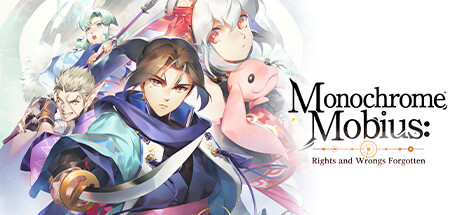
Engaging Story and Characters: Players consistently praise the game's story, characters, and world-building as its strongest assets. The narrative is described as very good, interesting, and emotionally impactful, often carrying the game despite other flaws. Character development and interactions are highlighted as particularly strong.
Strong Utawarerumono Series Prequel: The game is highly recommended for fans of the Utawarerumono series, serving as a worthy and enjoyable prequel. It enriches the lore, provides context for existing characters like Oshtor and Mikazuchi, and includes numerous callbacks and Easter eggs that series veterans appreciate.
Enjoyable and Innovative Combat: The combat system is generally found to be fun, well-designed, and to have potential. Players appreciate its unique core mechanics, interesting turn order system, and depth, noting that it becomes more engaging with later additions.
Excellent Voice Acting and Music: The game receives high praise for its superb voice acting, with many reviewers highlighting the quality of the cast. The soundtrack is also consistently lauded as good to excellent, featuring standout tracks and maintaining the series' high standards.
Appealing New Character Shunya: The new heroine, Shunya, is immediately likeable and well-received. Her character illustrations are excellent, and her role in the story, along with her voice acting, is highlighted as having strong emotional impact.
Common complaints
Unpolished Gameplay & Graphics: Players consistently report that the game feels unpolished, with rough graphics, stiff animations, and generic, uninspired combat. Many technical issues, including bugs, FPS drops, and unresponsiveness, further detract from the experience.
Overpriced for Quality: Many reviewers feel the game is not worth its full price, citing its overall lack of polish, generic gameplay, and numerous flaws. They suggest waiting for a significant discount due to the perceived low quality for the cost.
Unfriendly to Newcomers & Series Fans: The game is not recommended for new players due to its reliance on prior knowledge of the Utawarerumono series for story comprehension. Even long-time fans express disappointment, feeling the game doesn't live up to the quality or character writing of previous entries.
Difficulty Imbalance & Grinding: Players report significant difficulty imbalances, with the early game being frustratingly hard and requiring excessive grinding, while later stages become too easy due to over-leveling. The inability to change difficulty mid-game exacerbates these issues.
Weak JRPG & Combat Mechanics: The JRPG elements, particularly the turn-based combat, are frequently criticized for being shallow, boring, and lacking depth or innovation. Players found character progression and customization to be minimal, making the overall RPG experience unsatisfying.
Gameplay and performance
Shift to Traditional JRPG: The game has transitioned from its previous Visual Novel/Strategy RPG hybrid format to a more traditional turn-based JRPG. This change impacts core gameplay, focusing on turn-based combat, 3D character models, and field exploration.
Unique 'Action Ring' Combat: Combat utilizes a distinctive 'Action Ring' system that dictates turn order based on character speed and position. This system also influences buff/debuff application and allows for strategic manipulation of turns, though it requires a learning curve.
3D Maps & Exploration: The game features immersive 3D maps with detailed design, including semi-secret paths and hidden treasures. These maps are large and encourage exploration, though initial quality-of-life features like map markers for resources are missing.
Limited Enemy Information: Players report a lack of crucial enemy information, such as health bars, stagger values, weaknesses, and status effect effectiveness. The in-game encyclopedia is also noted for being insufficient, primarily serving as a drop confirmation list.
Dialogue-Heavy & Pacing: The game is characterized by extensive dialogue and numerous long, static cutscenes, often prioritizing story over a consistent gameplay structure. This can lead to a slower pace, particularly in the middle chapters, though early chapters move quickly.
Frame Rate & Display Issues: The game has a 60FPS cap, and players with high refresh rate monitors often experienced performance issues, screen tearing, and stuttering. External frame rate limiting was often required to achieve stable performance, though a Vsync option was later added.
Improved Post-Launch Stability: The game initially suffered from significant technical issues, bugs, and performance problems at launch. However, consistent patching by the developers has largely resolved these issues, leading to improved stability and a rise in positive player reviews.
Persistent Text Display Bugs: A recurring and annoying bug causes dialogue text to disappear, often requiring a game restart to resolve. This issue has been noted by multiple players and significantly disrupts the gameplay experience.
Key Updates & QoL Improvements: Several significant quality-of-life improvements were implemented in post-launch updates, including enhanced movement speed, stamina, map revamps, and the ability to save/load anywhere. These changes addressed core player feedback.
Limited PC Port Features: The PC port lacks mouse functionality and has limited display settings, only allowing window resolution adjustments rather than full-screen resolution. This indicates a less optimized PC experience.
Recommendations
Primarily for Series Fans: The game is overwhelmingly recommended for existing fans of the Utawarerumono series, particularly those familiar with the trilogy. Newcomers are strongly advised against purchasing it, as the story and gameplay are tailored to established fans.
Story Over Gameplay: The game's primary appeal lies in its story, music, and voice acting, which are highly praised. Gameplay, graphics, and overall mechanics are often considered secondary or even rough, with some suggesting it would be better as a visual novel.
Consider Purchase on Sale: While some fans find it worth full price, many recommend waiting for a discount, especially if not a hardcore series fan, due to perceived issues or its niche appeal.
Sequel Highly Anticipated: Many players, especially series fans, express strong anticipation and hope for a sequel. They are eager to see the story continue and for potential improvements in future installments.
Mixed Reception for JRPG Aspects: The game is seen as a decent attempt at a JRPG, particularly for fans of traditional turn-based combat. However, some players find the gameplay generic or slow-paced compared to other modern 3D RPGs.
Other review notes
A first attempt at 3D JRPG: Players perceive this game as Aquaplus's first venture into a full 3D turn-based JRPG, giving it a 'test run' or 'β version' feel. This is often attributed to the developer's primary experience being in visual novels.
Game length and features: The game is approximately 30 hours long, with the pure story content being less than half of that. It includes a save-anywhere feature and a glossary of terms, but notably lacks a New Game+.
Faceless NPCs for optimization: A notable design choice is that unimportant NPCs lack faces, which is reportedly for performance optimization. Some players speculate it might also be a plot point related to a character's memories.
Achievement hunting considerations: Achievement hunters need to be diligent about completing 'Requests' as they become available, as missing them can necessitate replaying the game to earn all achievements.
20th anniversary title: This game was released as a commemorative work for the Utawarerumono series' 20th anniversary, highlighting its significance within the franchise.