- Compelling story and deep, well-developed characters.
- Immersive, living world with an atmospheric soundtrack.
- Classic, high-quality JRPG that has aged well.
- Slow start with a long, drawn-out prologue.
- Repetitive, unbalanced combat system.
- Excessive missable content and uninteresting dialogue.
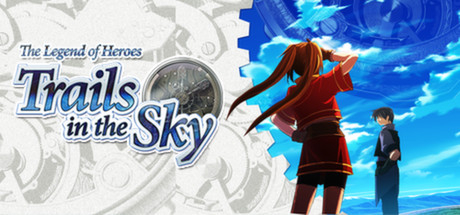
What players like:
Common complaints:
Gameplay feedback:
Performance notes:
Recommendations:
Other player notes:
Similar games
Blend with other games 88%The Legend of Heroes: Trails from Zero
 88%The Legend of Heroes: Trails in the Sky SC
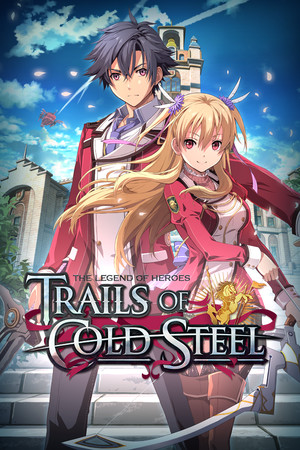 87%The Legend of Heroes: Trails of Cold Steel
 87%Sora no Kiseki the 1st
 86%8-Bit Adventures 2
 86%The Legend of Heroes: Zero no Kiseki Kai
 86%The Legend of Heroes: Kuro no Kiseki
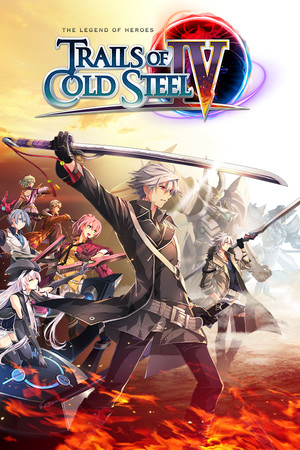 86%The Legend of Heroes: Trails of Cold Steel IV
 85%The Legend of Heroes: Trails to Azure
 85%Monochrome Mobius: Rights and Wrongs Forgotten
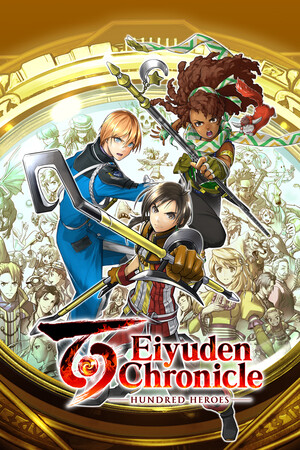 85%Eiyuden Chronicle: Hundred Heroes
 85%The Legend of Heroes: Ao no Kiseki KAI
Review evidence
Why players say this
Review evidence
Why players say this
What players like
Compelling story, deep characters: The game features a compelling and well-developed story with intricate plots, political intrigue, and character-driven narratives. The characters are well-written, relatable, and undergo significant development, making their interactions engaging and emotionally resonant. The world-building is detailed and immersive, creating a captivating experience for players.
Immersive, living world: The game world feels alive and dynamic due to detailed NPCs, their interactions, and evolving dialogues. The world-building is rich and immersive, with distinct locations and atmospheres that enhance the overall experience. The game rewards exploration and interaction with the world, making players feel like they are part of a larger, living world.
Excellent, atmospheric soundtrack: The game boasts an excellent and memorable soundtrack that enhances the atmosphere and emotional impact of the game. The music is well-composed and fits perfectly with the different locations and events, creating an immersive auditory experience. The music is a highlight of the game and adds to its overall charm.
Aged well, still enjoyable: Despite its age, the game holds up well and provides an enjoyable experience. The reviewer expresses nostalgia and appreciation for the game's charm and quality. The game is easy to pick up and play, and its graphics do not detract from the overall experience.
Endearing Estelle and Joshua: Estelle and Joshua are endearing main characters who undergo significant growth throughout the story. Estelle is a strong-willed and optimistic protagonist, while Joshua is her quieter counterpart, making them a compelling duo. The game focuses on their journey and relationship, making them highlights of the game.
Common complaints
Slow start, long prologue: Many reviewers found the game's initial pacing to be slow, with the story, combat, and character development taking a considerable amount of time to develop. This slow start, often described as a lengthy prologue, may deter some players.
Repetitive, unbalanced combat system: The combat system is criticized for being unbalanced, repetitive, and sometimes tedious. Some reviewers found themselves relying on specific strategies or skills, while others felt the need to grind due to inconsistent difficulty spikes.
Excessive missable content: The game features numerous missable quests, items, and events, often without clear indication or guidance. This design choice necessitates the use of a guide to achieve 100% completion, which can be frustrating for players who prefer to explore and discover content organically.
Excessive, uninteresting dialogue: Reviewers frequently mention excessive dialogue that bogs down the narrative and slows the pacing. Some found the story uninteresting or confusing, with too many loose ends and a lack of compelling character development.
Dated graphics and design: The game's graphics and overall design feel dated, reflecting its age. This can be off-putting to players accustomed to more modern visuals and quality-of-life features.
Gameplay and performance
Strategic turn-based combat system: The game features a turn-based combat system with strategic elements like character positioning, turn order manipulation, and unique abilities. Battles require planning and utilizing the environment, with some reviewers drawing comparisons to classic JRPGs and tactical RPGs. The system emphasizes character stats and customization, but level differences can sometimes overshadow strategic depth.
Deep magic customization via Quartz: The game utilizes a 'Quartz' or 'Orbment' system for magic and ability customization, drawing frequent comparisons to Final Fantasy VII's Materia system. This system allows players to combine different elements and crystals to unlock various spells, passive bonuses, and customize character builds. While offering depth, some find the system overwhelming initially or requiring grinding.
Combat system mixed reception: Some reviewers found the combat system to be just okay, simple, or even a snorefest, even when sped up. Others found it deep enough and easy to understand. Difficulty is generally on the easier side, though some early-game content may require a more strategic approach.
Unique character 'Craft' abilities: Characters possess unique special abilities called 'Crafts' or 'S-Crafts' that utilize a CP (Craft Points) meter. These skills, especially S-Crafts, can deal significant damage and can be used strategically, even during the enemy's turn. The reviewer spent a considerable amount of time viewing each character's S-Craft.
Accessibility and anti-grind mechanics: The game includes accessibility features like a 'Retry Offset' that lowers enemy stats after failed attempts, making battles easier. There's also a system that reduces experience gained from weaker enemies, discouraging grinding. Additionally, random turn-based bonuses like HP healing or critical hits can occur.
Good performance on PC/Steam Deck: The game generally runs well, even on older hardware and the Steam Deck. Some users reported needing to adjust settings on the Steam Deck to optimize performance. The PC version supports higher resolutions and ultrawide aspect ratios.
Occasional crashes and bugs: Some players have reported crashes and bugs, with one suggesting a potential fix involving hardware vertex shaders. Frequent saving is recommended to mitigate potential progress loss. Crashing issues present at launch seem to have been patched out for some users.
Steam version needs patches: The Steam version requires fan-made patches for improved BGM, full voice acting, and better translation/fonts.
Lag and poor KBM controls: One reviewer experienced significant lag in certain zones despite having a capable computer. They also criticized the keyboard and mouse controls, suggesting a poor port from the original game.
Cutscene loading issues: Some players have reported issues with cutscenes, such as black screens or failures to load. Disabling movies in the launcher settings may resolve the black screen issue.
Recommendations
Excellent series entry point: The game is highly recommended as a great entry point to a beloved and expansive JRPG series. Reviewers praise its engaging story, well-developed characters, and immersive world-building, making it a worthwhile experience for both newcomers and veterans of the genre.
Story-rich, slow-paced JRPG: The game is recommended for players who enjoy story-rich JRPGs with extensive dialogue and turn-based combat. However, it may not appeal to those seeking fast-paced action or concise experiences due to its slow pace and emphasis on world-building.
Strongly recommended overall: Many reviewers express strong positive sentiments, recommending the game without hesitation. However, these points often lack specific details about gameplay or mechanics, reducing their overall constructiveness.
Play in release order: Playing the games in the intended order is crucial for understanding the story and characters throughout the series. Starting with later entries like 'Cold Steel' may lead to missed context and a desire to experience the series from the beginning.
Mixed opinions; consider skipping: Some reviewers express mixed feelings, with some recommending skipping the game in favor of later entries or summaries due to its flaws. However, others still plan to play the sequel, indicating a divided opinion on the game's overall quality and value.
Other review notes
Prologue to expansive series: This game is the first entry in a large, interconnected series and serves as a prologue to a much larger story. Many plot threads are not resolved within this game, requiring players to continue with the sequels to experience the full narrative.
Text-heavy; fan patches enhance experience: The game is text-heavy with limited voice acting, resembling a visual novel. However, high-quality fan-made translation and voice patches are available to enhance the experience. The official Steam version lacks Chinese localization and voice acting.
Anime art style, steampunk setting: The game features an anime art style within a steampunk fantasy world, typical of Falcom's JRPGs. The visual style uses sprites pre-rendered from 3D models, evoking nostalgia for PS2-era RPGs.
Evolving NPC dialogues, hidden quests: NPCs have unique names and their dialogues evolve as the story progresses. Hidden quests require speaking to almost all NPCs after every main quest.
Unique, memorable experience: The Legend of Heroes saga tends to inspire unique and memorable experiences. The reviewer mentions playing the game on Steam Deck and using Proton compatibility settings.