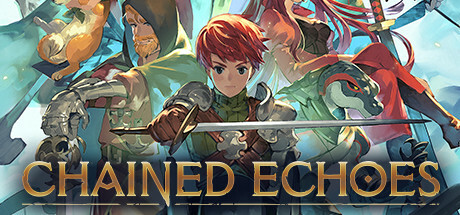
- Visually stunning with captivating music.
- Strategic combat system with innovative mechanics.
- Nostalgic feel evokes classic JRPG experiences.
- Combat mechanics are poorly implemented.
- Difficulty is inconsistent and unbalanced.
- Story and characters are uninspired.
What players like:
Common complaints:
Gameplay feedback:
Performance notes:
Recommendations:
Other player notes:
Similar games
Blend with other games




Review evidence
Why players say this
Review evidence
Why players say this
What players like
Stunning graphics and music: The game features outstanding graphics and music, with a beautiful pixel art style, fluid animations, and a varied soundtrack that enhances the emotional weight of the story and the excitement of combat. Many reviewers highlight the retro aesthetic and nostalgic feel, while also praising the high level of polish and optimization.
Strategic and innovative combat system: The combat system is a highlight, featuring strategic turn-based battles with innovative mechanics like the Overdrive system. This system adds depth by requiring players to manage a gauge for optimal damage and defense, preventing move spam and encouraging diverse skill usage. Battles are challenging but fair, with no random encounters and full HP/TP restoration after each fight.
Nostalgic, classic JRPG feel: The game successfully captures the essence of classic JRPGs from the SNES and PS1 era, evoking a strong sense of nostalgia. It pays homage to games like Chrono Trigger, Final Fantasy VI, and Xenogears while maintaining its own unique identity. The game blends traditional JRPG elements with modern design sensibilities, offering a refined and accessible experience.
Well-developed and customizable characters: The game features complex and well-developed characters with defined personalities and emotional moments. The character designs are charming and memorable, contributing to the overall aesthetic appeal. There is a lot of variation in building characters, with a large range of moves, passives, and stat upgrades.
Party and equipment customization: The ability to swap out party members during combat is a great feature, allowing for strategic depth and diverse character combinations. The equipment system allows for extensive character customization, enabling diverse builds like healing tanks or debuffing mages. The use of crystals for weapon and armor upgrades to build combos is enjoyable.
Common complaints
Poorly implemented combat mechanics: The game attempts to innovate with various combat mechanics, such as the Overdrive system and Sky Armor battles, but these features are often poorly implemented and detract from the overall experience. The Overdrive system can feel restrictive and random, while Sky Armor battles are often tedious and unbalanced.
Inconsistent and unbalanced difficulty: The game suffers from inconsistent difficulty, with some areas being too easy and others presenting frustrating spikes. Enemies can be either damage sponges or capable of one-shotting characters, leading to an unbalanced and sometimes tedious combat experience. The lack of a traditional leveling system exacerbates these issues.
Uninspired story and characters: Reviewers criticized the game's story and characters as being generic, uninspired, and poorly developed. The dialogue is often stilted, the plot relies on familiar tropes, and the characters lack distinct personalities, making it difficult for players to become invested in the narrative.
Tedious and cumbersome upgrade system: The game features a complex crystal/equipment upgrade system that many reviewers found tedious, cumbersome, and grindy. The system involves excessive menuing, RNG-dependent crystal acquisition, and a lack of clear guidance, leading to player frustration and a feeling that the system is more of a chore than an engaging feature.
Disappointing and unsatisfying ending: Many reviewers expressed disappointment with the story's ending, citing issues such as rushed pacing, unresolved plot threads, nonsensical character decisions, and unsatisfying resolutions. Some found the ending thematically muddled or even offensive, leading to a negative overall impression of the narrative.
Gameplay and performance
Non-traditional, story-linked progression: The game uses a non-traditional leveling system, often tied to story progression, boss fights, or exploration. Instead of grinding, players earn skill points or items (like Grimoire Shards) to unlock skills, stats, and equipment upgrades. This system limits over-leveling and encourages exploration and strategic skill choices.
Manage Overdrive gauge for buffs: The Overdrive/Overheat system is a core combat mechanic where players manage a gauge to gain buffs (green zone) or suffer penalties (red zone). Strategic play involves balancing actions, skills, and character swaps to optimize the gauge and prevent overheating. Some reviewers found the system disconnected or annoying, while others appreciated the added tactical depth.
Strategic party-swapping combat mechanic: The game features a party of 8 characters, with 4 active and 4 in reserve, allowing for strategic swapping during combat. This mechanic encourages diverse team compositions and tactical adjustments based on the situation. Some found it easy to stick to a single party setup, while others found the constant readjustment tedious.
Mechs offer unique combat/exploration: Sky Armors (mechs) provide a separate combat system with unique progression, equipment, and exploration abilities. They allow access to new areas via flight and offer a change of pace from regular gameplay. However, some found the mech fighting strategies limited or the UI cumbersome.
Crystals enhance equipment stats: The game features a crystal system for enhancing equipment with stat boosts and passive skills. Crystals can be found, refined, and slotted into weapons and armor, with the ability to fuse them for increased stats. Some found the system complicated or RNG-heavy, while others appreciated the customization options.
Good Steam Deck performance: The game generally runs well on Steam Deck, with some minor performance hiccups reported. Battery life is decent, averaging around 6.5-10 hours on a full charge. This makes it a suitable title for portable play.
Generally stable, one progression-blocking bug: Most reviewers report the game is stable with few bugs and rare crashes. However, one specific bug in the side quest 'A Little Vacation' prevents progression, which is a significant issue for affected players.
Display settings need improvement: The game lacks ultrawide support and has limited window size options. Additionally, there are issues with fullscreen mode toggling and resolution changes, indicating problems with display settings.
Inconsistent sound design: Several reviewers noted inconsistencies and issues with the game's sound design. These include missing sound effects for abilities, inconsistent SFX quality, and sound synchronization problems.
Minor localization issues present: The game has some localization issues, including missing language options (Japanese) and occasional typos. While not game-breaking, these issues detract from the overall polish.
Recommendations
Highly recommended JRPG experience: The game is overwhelmingly recommended as a must-play JRPG, especially for fans of the classics. Reviewers praise its engaging story, innovative mechanics, and overall high quality, often citing it as one of the best RPGs in recent years and a standout indie title. Many suggest it's worth the full price, especially when on sale.
Story and ending divisive: Some reviewers had issues with the story, particularly the ending. While some enjoyed the overall narrative and character development, others found the ending disappointing, making it difficult to recommend the game despite its other positive aspects.
Sequel highly anticipated: Many reviewers express strong interest in a potential sequel, indicating a desire to further explore the game's world and characters. Some reviewers state they would immediately purchase or pre-order a sequel, highlighting their positive experience with the game.
Difficulty can be frustrating: Some reviewers found the game's difficulty challenging, recommending adjusting the difficulty settings or unlocking all skills to ease progression. One reviewer stopped playing due to frustration with a specific late-game battle. Some reviewers also advise against spending money on equipment upgrades early in the game.
Desire for more world exploration: Reviewers express a desire for future games set in the same world to explore more of the lore, atmosphere, and characters. They hope the developer will revisit the game's setting and create more games using the same mechanics and background lore.
Other review notes
Solo developer achievement: The game was primarily developed by a single person, Matthias Linda, over several years. Reviewers are impressed by the scope of the game considering its development was largely a solo effort, especially for an indie title.
Classic JRPG inspiration: The game features a 16-bit visual style reminiscent of classic JRPGs like Final Fantasy 5 and 6, and contains numerous references and easter eggs from other JRPG titles and Japanese ACG culture. The game's charm lies in its mechanics and atmosphere.
Fantasy and sci-fi blend: The game blends high fantasy with sci-fi elements, explaining the coexistence of magic, swords, electricity, and mecha in the world of Valandis. It also subverts JRPG tropes, avoiding typical male-lead savior narratives and damsel-in-distress female characters.
Translation issues and fan patches: The game has some translation issues, with errors and a lack of official support for some languages. However, unofficial translations and patches are available, such as a high-quality Italian mod.
Player-friendly design choices: The game avoids random encounters, unnecessary romantic pairings, and missable content. This allows players to explore the world at their own pace and find anything they missed.